

What's on this page
- The short answer: what the first year really costs
- One-time startup costs
- Where the startup money goes
- Recurring monthly costs
- The vet bills people underestimate
- How much does a dog cost by size?
- Breed changes more than size
- Food: the biggest recurring cost, and how not to overspend
- Pet insurance versus an emergency fund
- Training and the cost of skipping it
- The hidden costs nobody mentions
- Puppy, adult, or senior: which first year is cheapest
- Trimming the first-year bill the smart way
- Where you live changes the number too
- What the years after the first look like
- Common first-year money mistakes
- Two dogs, two budgets: worked examples
- A first-year budget checklist
- A month-by-month look at where the money lands
- Licensing, registration, and the admin costs nobody lists
- How to stage the spending so month one is survivable
- What a second dog adds to the first-year budget
- The bottom line
Bringing home a dog is one of the best decisions you will make and one of the most consistently underestimated. Ask most new owners what a dog costs and they will name the food and the adoption fee. The real first year typically runs $1,500 to $3,000 all in, and the part that surprises people is not the monthly food; it is the stack of one-time setup costs and vet bills that all land in those first twelve months.
This article breaks the first year into every real line: the startup costs, the recurring costs, how much size and breed change the number, and the hidden extras nobody mentions until the invoice arrives. The goal is a number you can actually plan around, so nothing catches you out. You can build your own estimate in about a minute with our first-year cost calculator.
Key takeaways
- The first year typically costs $1,500 to $3,000, more than any year that follows, because one-time setup and the full puppy medical series land all at once.
- The biggest costs are not food. Spay or neuter surgery, the initial vet visits and vaccine series, and startup supplies front-load the year.
- Size is the single biggest lever. A giant breed can cost roughly double a small one, and that choice is locked in the day you pick the dog.
- Adopting is usually far cheaper than buying, because the fee often bundles spay or neuter, vaccines, and a microchip you would otherwise pay for separately.
- The line most new owners skip is an emergency fund or insurance. A serious accident can cost thousands, and it is the one cost you cannot predict.
The short answer: what the first year really costs
For a typical dog, plan on $1,500 to $3,000 across the first twelve months, with small breeds toward the bottom and large or giant breeds at the top or beyond. That range assumes reasonable choices: an adopted dog or a mid-priced purchase, quality but not luxury supplies, and standard preventative veterinary care.
Two things make the first year the most expensive one you will have with the dog. First, the one-time costs. You buy the crate, the bed, the carrier, and the leash once, and you pay for spay or neuter surgery and the full puppy vaccine series once, all inside year one. Second, everything is new, so there is no reusing last year’s supplies or skipping this year’s big vet milestone. After the first year, with the surgery done, the vaccines established, and the gear bought, the yearly cost usually drops to roughly half of what year one demanded.
The number that matters is not the average from an article; it is your number, driven by the size of dog you choose, where you live, and whether you adopt or buy. The sections below build it up piece by piece.
One-time startup costs
These are the costs you pay once, mostly in the first weeks, and together they are a large share of the first-year total. Here is what actually goes into getting set up, as typical illustrative ranges.
| Startup item | Typical cost | Notes |
|---|---|---|
| Adoption fee or purchase | $50 to $500+ | Adoption bundles early medical care; breeders cost far more |
| Spay or neuter | $150 to $500 | Often included in an adoption fee |
| Initial vet exam and vaccine series | $200 to $400 | Several puppy visits in the first months |
| Microchip | $25 to $60 | Frequently included with adoption |
| Crate, bed, carrier | $100 to $300 | Larger dogs need larger, pricier gear |
| Collar, leash, bowls, toys | $50 to $150 | The everyday starter kit |
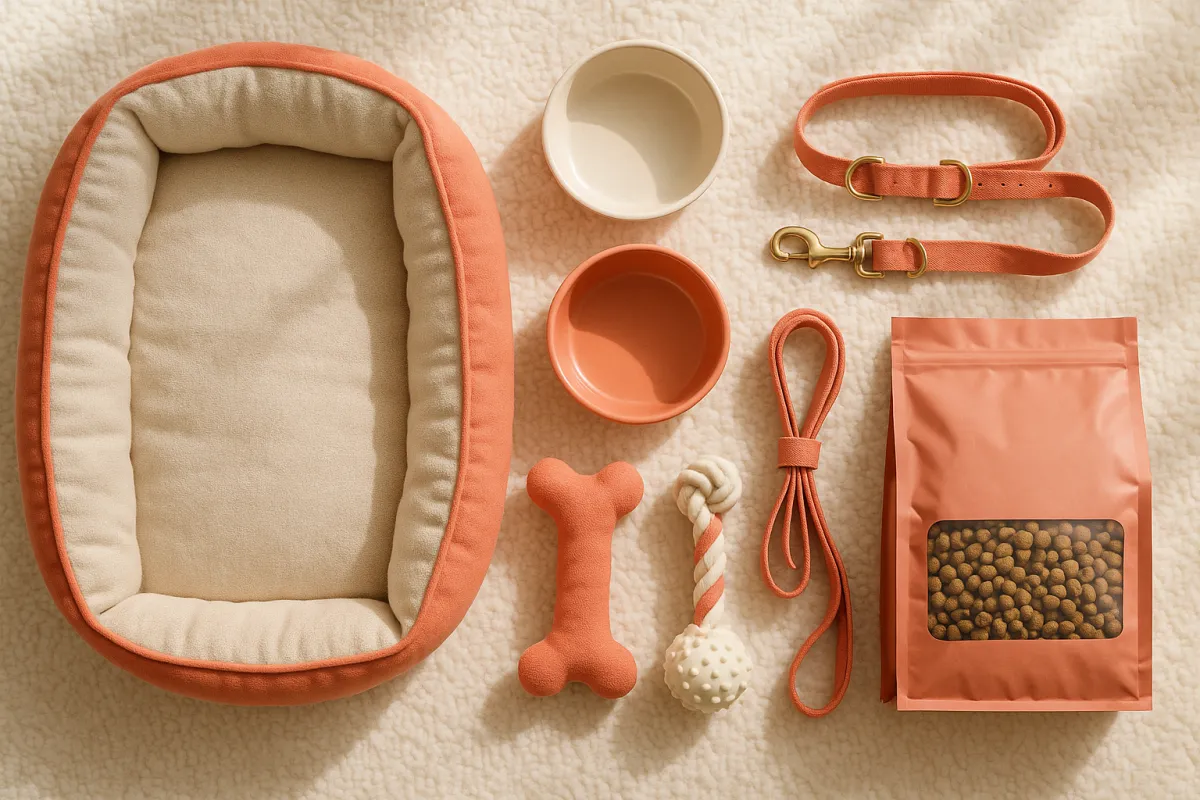
Add these up and the setup alone can run several hundred to well over a thousand dollars before you have bought a single bag of food. This is exactly why adopting saves so much: a shelter fee that looks similar to a breeder deposit often already includes the spay or neuter, the first vaccines, and the microchip, three separate line items you would otherwise pay in full.
Where the startup money goes
The one-time spending is not evenly spread. Medical care and the big gear dominate, while the everyday items people focus on, the collar and toys, are a small slice.
Where your one-time setup dollar goes
Approximate split of first-year startup costs for a typical adopted dog. Illustrative.
The medical and big-gear costs dominate the setup. When an adoption fee bundles the medical care, it collapses the two largest slices into one modest number.
Recurring monthly costs
Once the dog is home and set up, the ongoing costs settle into a monthly rhythm. These are smaller than the startup spending but they run every month for the life of the dog, so over a year they add up to real money.
- Food. The largest recurring cost for most dogs, and it scales with size. A small dog might cost a modest amount a month to feed well; a large or giant breed can cost several times that.
- Flea, tick, and heartworm prevention. A monthly or quarterly cost that is not optional. It is dosed by weight, so bigger dogs cost more, and skipping it risks a treatment bill far larger than the prevention.
- Treats and chews. Small individually, steady over time, and easy to overspend on.
- Routine supplies. Poop bags, replacement toys, grooming basics, the small consumables that never stop.
- Insurance or an emergency fund contribution. Whether you pay a monthly premium or set money aside yourself, this belongs in the monthly budget, not as an afterthought.
None of these is large on its own, but together they typically form the steady base of the dog budget, the part that continues long after the exciting startup spending is done.
The vet bills people underestimate
The first year of veterinary care is more than a single check-up. A puppy needs a series of visits for the core vaccine series, usually spread across the first few months, and those visits carry exam fees on top of the vaccines themselves. Add the common extras, a deworming, a fecal test, the start of preventative care, and the first-year vet total climbs into the several-hundred-dollar range before anything goes wrong. Our read on average vet prices prices each of those visits line by line, from the exam fee to the vaccines and tests stacked on top.
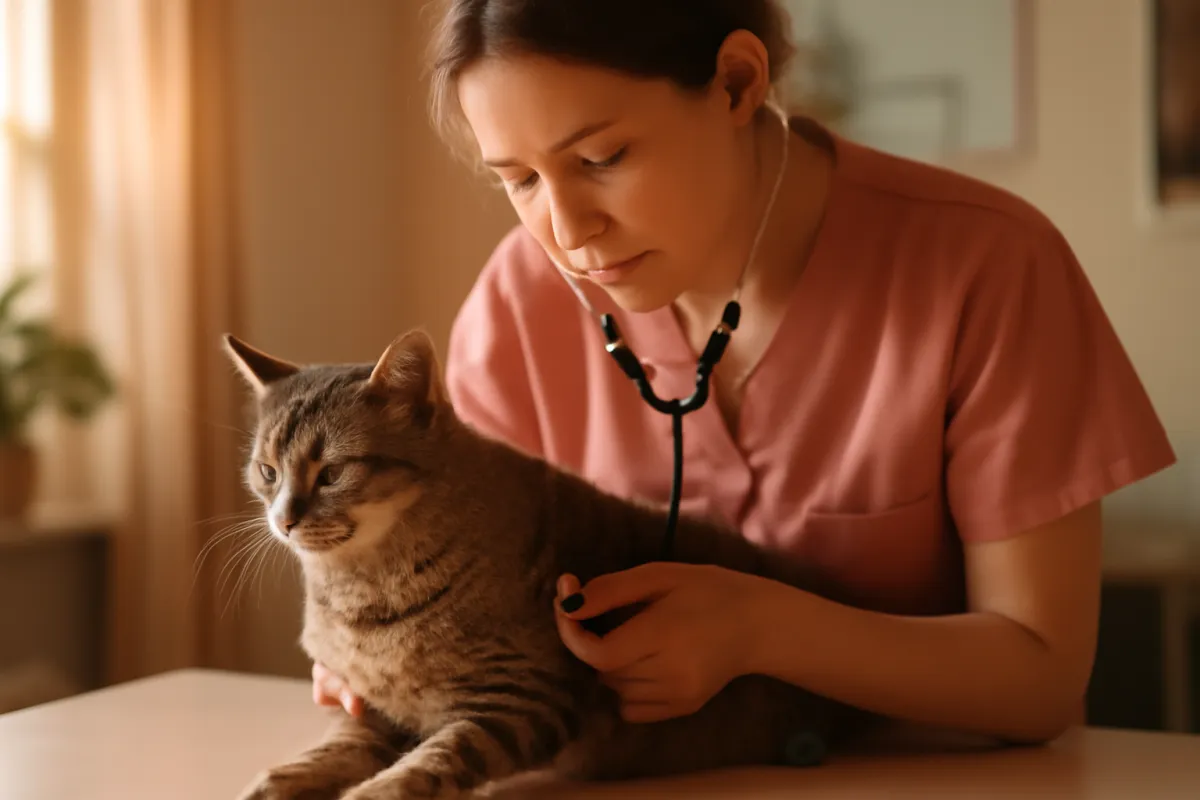
Then there is the cost you cannot schedule. Puppies eat things they should not, get upset stomachs, and occasionally have an accident that means an emergency visit. A single unexpected trip can cost more than the entire planned year of routine care. This is not a reason to panic; it is the reason the emergency fund exists. Owners who plan for the predictable vet costs and set aside a cushion for the unpredictable ones are the ones who never have to choose between their budget and their dog.
How much does a dog cost by size?
Size is the single biggest driver of what a dog costs, and it is decided the moment you choose the breed. A larger dog eats more, needs larger doses of every weight-based medication and preventative, takes bigger and more expensive beds and crates, and generally costs more for surgery and treatment because so much of veterinary pricing scales with body weight.
Typical first-year cost by dog size
All-in first-year cost including setup, food, and routine care. Illustrative.
A giant breed can cost roughly double a small one across the first year, and the gap widens over a lifetime. The size you choose is the biggest budget decision you make.
This is worth sitting with before you fall for a specific dog. The difference between a small and a giant breed is not a rounding error; it is roughly a doubling of the cost to keep them, every year, for the life of the dog. If budget matters, size is the lever with the most leverage, and it is the one you control entirely at the point of choosing.
Breed changes more than size
Two dogs of the same size can still cost very different amounts, because breed brings its own costs beyond the scale. Long or heavy coats mean regular professional grooming, a recurring cost that short-haired breeds mostly avoid. Some breeds are prone to specific health conditions that raise the odds of treatment costs down the line. Flat-faced breeds can have breathing and dental issues that lead to more veterinary attention. High-energy working breeds may need more enrichment, training, or exercise services to stay happy and out of trouble.
None of this should steer you away from a breed you love, but it should be part of the decision with eyes open. Researching the typical grooming needs and known health tendencies of a breed before you commit turns a future surprise into a planned line in the budget. The cheapest breed to buy is not always the cheapest to keep, and the reverse is true too, so look past the purchase price to the lifetime pattern.
Food: the biggest recurring cost, and how not to overspend
Food is where owners most often either overspend or underspend, and both cost money in the end. Overspending usually means paying a premium for marketing, exotic ingredients, and packaging that a dog neither needs nor notices. Underspending can mean a poor-quality diet that shows up later as health problems and vet bills.
The sensible middle is a complete, balanced diet appropriate for the dog’s size and life stage, from a maker you trust, without paying for the story on the front of the bag. Buying the right size bag for your dog reduces waste, and measuring meals rather than free-feeding both protects the dog’s health and makes the food last as long as it should. The goal is a good diet at a fair price, not the most expensive food on the shelf, because past a certain point you are buying reassurance for yourself, not nutrition for the dog.
Pet insurance versus an emergency fund
Every dog budget needs a plan for the big surprise bill, and there are two main ways to cover it. Pet insurance trades a predictable monthly premium for protection against a large unexpected cost, and the first year is a common and sensible time to start, because a young healthy dog usually means lower premiums and fewer pre-existing conditions excluded. The alternative is self-insuring: setting aside money every month into a dedicated fund you control.
Which is better depends on the plan, the dog, and your own discipline with savings. Insurance wins if a major event happens early, before a fund has grown. A self-managed fund wins if the dog stays healthy, because the money stays yours. What is not optional is having one or the other. A serious accident or illness can cost thousands, and the owners who struggle most are the ones who had neither a policy nor a cushion when the emergency arrived. Pick the approach that fits you, but pick one.
Training and the cost of skipping it
Training is a first-year cost that is easy to treat as optional and expensive to skip. A basic obedience class or a few sessions with a trainer is a modest investment that pays off in a dog that is easier and safer to live with. The alternative, an untrained dog, has its own costs: chewed belongings, damage deposits lost, and the stress that leads some owners to pay for more services later to manage behavior that early training would have prevented.
You do not have to pay for premium training to get a well-behaved dog. Consistent work at home, a good group class, or online guidance can all do the job. But budgeting something for training in the first year, when habits form most easily, is one of the higher-return choices in the whole plan, because the payoff compounds over the dog’s entire life.
The hidden costs nobody mentions
Beyond the obvious lines sit the extras that quietly add up, and they surprise almost every first-time owner.
- Pet deposits and rent. Many rentals charge a one-time pet deposit or an ongoing monthly pet rent, a cost that has nothing to do with the dog’s care but everything to do with keeping it housed.
- Boarding and dog walking. Travel means boarding or a sitter, and long workdays may mean a dog walker. These are occasional but not small.
- Damage. Puppies chew, scratch, and have accidents. Budgeting a little for the shoes, the cushion, or the carpet cleaning is realistic.
- Grooming. For some breeds this is a regular professional cost, not a once-in-a-while extra.

None of these appears on a “cost of a dog” list, yet together they can add a meaningful amount to the year. Folding them into the plan from the start is the difference between a budget that holds and one that keeps getting blown by things you did not see coming.
Puppy, adult, or senior: which first year is cheapest
The age of the dog you bring home shapes the first-year cost as much as its size. A puppy is the most expensive start, because it needs the full vaccine series, spay or neuter, training, and often replacement of chewed items along the way. An adult dog adopted from a shelter is frequently the most economical first year, since it usually arrives already neutered, vaccinated, and past the destructive puppy stage, with the adoption fee covering the early medical care. A senior dog can be inexpensive to adopt and deeply rewarding, but it is more likely to carry ongoing medical needs, so the routine costs can be higher even as the setup is lower.
There is no single right answer, only the one that fits your budget and your life. But if the first-year cost is a real constraint, adopting a healthy adult is often the gentlest way to start, giving you a dog past its most expensive and most destructive months for a fee that bundles the big medical items.
Trimming the first-year bill the smart way
You can bring the first-year number down meaningfully without shortchanging the dog, as long as you cut the right things.
- Adopt instead of buy. The single biggest saving, because the fee typically bundles spay or neuter, vaccines, and a microchip.
- Buy durable gear once. A quality crate and bed cost more up front and outlast several cheap ones, so the lifetime cost is lower.
- Feed well, not expensively. A complete, balanced diet at a fair price beats paying a premium for marketing.
- Start the emergency fund immediately. Small regular contributions from day one mean the cushion is there before you need it, so a surprise never becomes a credit-card balance.
The one corner you must never cut is preventative care. Skipping vaccines, or flea, tick, and heartworm prevention to save a little each month is how people end up with a treatment bill that dwarfs a year of prevention. Save on the gear and the marketing, never on the medicine.
Where you live changes the number too
Two identical dogs can cost noticeably different amounts depending only on where their owners live, and it is worth understanding why before you compare your budget to anyone else’s. Veterinary prices vary from region to region, so the same vaccine visit or spay surgery can cost more in a high-cost city than in a smaller town. Rent-related pet costs swing even more widely: some landlords charge a large one-time pet deposit or a monthly pet rent, while others charge nothing at all, and that single difference can move the first-year total by hundreds of dollars.
Services follow the same pattern. Dog walking, boarding, grooming, and training all cost more in expensive metro areas and less elsewhere, so an owner in a big city may pay double what someone in a rural area pays for the exact same service. Even food and supplies can differ once you factor in local pricing and taxes. None of this changes the structure of the budget, the same lines apply everywhere, but it does mean the total you should plan for is a local number, not a national average.
The practical takeaway is to build your estimate from local prices wherever you can. Call a nearby veterinary clinic for its puppy-package and spay pricing, check your lease for pet terms, and price local boarding and grooming if you expect to use them. A budget built from real local figures is far more reliable than one borrowed from a national average, and it is the difference between a plan that holds and one that drifts by the end of the year.
What the years after the first look like
Understanding the first year is easier when you can see it against the years that follow, because the contrast explains why year one feels so steep. Once the setup is bought and the puppy medical milestones are behind you, the yearly cost typically settles to roughly half of the first year, sometimes less. The crate, bed, and carrier are one-time purchases you do not repeat. The spay or neuter surgery happens once. The intensive puppy vaccine series gives way to less frequent adult boosters and a routine annual check-up.
What remains is the steady base: food, preventatives, the occasional replacement toy, grooming for breeds that need it, and your insurance premium or emergency-fund contribution. That base is predictable and manageable, which is why owners who brace for an expensive first year are often pleasantly surprised by how much calmer the budget becomes afterward. The exception is the senior years, when veterinary costs tend to rise again as a dog ages, so a wise budget treats the money saved in the calm middle years as a reserve for the higher-care years at either end of a dog’s life.
Seen across a whole lifetime, then, the cost is front-loaded and back-loaded, with an affordable stretch in between. Planning for that shape, rather than assuming every year looks like the first, keeps the budget honest over the long run.
Common first-year money mistakes
Most first-year budget trouble comes from a short list of avoidable mistakes. Knowing them in advance is the cheapest insurance there is.
- Budgeting only for food and the adoption fee. The two costs everyone remembers are not the two that dominate. Forgetting the setup gear and the medical series is how a plan comes up thousands short.
- Skipping insurance and the emergency fund. Betting that nothing will go wrong is the mistake that turns a manageable year into a crisis when something does.
- Overspending on the fun stuff. Toys, premium treats, boutique food, and accessories are where enthusiasm outruns need. They feel like caring for the dog; often they are marketing to the owner.
- Cutting preventative care to save money. The most expensive mistake of all, because a skipped preventative can lead to a treatment bill many times larger.
- Buying cheap gear twice. A bargain crate or bed that fails and needs replacing costs more than the quality version would have.
None of these mistakes comes from carelessness; they come from not having seen the full picture before the dog arrives. Reading a breakdown like this one is most of the cure.
Two dogs, two budgets: worked examples
Numbers land better with examples, so here are two illustrative first-year budgets that show how much the size and source of a dog change the total.
Take a small adult dog adopted from a shelter. The adoption fee bundles the spay or neuter, the first vaccines, and the microchip, so the medical setup is largely covered. Startup gear is modest because everything is small. Food is inexpensive, and preventatives are dosed for a light dog. This owner might land near the bottom of the range, roughly $1,500 for the year, with the biggest single line being the adoption fee that quietly did the heavy lifting on medical costs.
Now take a large-breed puppy bought from a breeder. The purchase price is higher and does not include the medical steps, so spay or neuter and the full puppy vaccine series are all paid separately. The crate, bed, and carrier are large and pricier. Food costs several times what the small dog eats, and every weight-based preventative and medication costs more. Add training for an energetic young dog and a chewed item or two along the way, and this owner could reach $3,000 or beyond. Same first year, very different number, and almost all of the difference traces back to two choices made at the start: the size of the dog and whether it was adopted or bought.
Neither budget is right or wrong. The point is that your number is yours, and it is largely decided before the dog even comes home.
A first-year budget checklist
Before the dog comes home, run your plan past these points so the first year holds no financial surprises.
- Estimate the all-in first-year cost for the size of dog you are choosing, not a generic average.
- Budget the one-time setup separately from the monthly costs, since the setup lands all at once.
- Confirm the adoption fee’s inclusions, so you know which medical costs are already covered.
- Pick your big-bill plan, insurance or an emergency fund, and start it in month one.
- Add the hidden costs, deposits, boarding, grooming, into the total so nothing is a shock.
Put your numbers into our first-year cost calculator to turn this into a single figure you can plan around.
A month-by-month look at where the money lands
The first-year total is real, but it does not arrive as a single invoice, and understanding when each cost lands is the difference between a plan that holds and a cash-flow scramble. The heaviest month is almost always the first, because the adoption or purchase fee, the startup gear, and the initial vet visit often stack into the same few weeks.
Month one carries the setup: the crate, bed, carrier, bowls, and the first vet exam with the opening round of vaccines. Months two and three bring the rest of the puppy vaccine series, the spay or neuter surgery once your vet advises it, and the microchip if it was not bundled into an adoption fee. From roughly month four onward the pattern calms into the steady base of food, preventatives, and the occasional replacement, with a single grooming or training cost dropping in here and there.
Seeing the year as a curve rather than a lump changes how you fund it. The front months need the most cash on hand, which is why owners who set aside the setup money before the dog comes home, rather than reaching for a card in week one, start the whole relationship on steadier footing. Our first-year cost calculator totals the year, and this timing view tells you which months that total actually lands in.
Licensing, registration, and the admin costs nobody lists
Beyond the food and the vet lies a small layer of administrative costs that almost no cost-of-a-dog list mentions, yet they are real and they land in the first year. Many areas require a dog license, a modest annual fee that is often lower for a spayed or neutered pet, and some municipalities tie it to proof of a current rabies vaccination. It is small money, but it is a legal line rather than an optional one.
Other paperwork costs cluster nearby. Registering a microchip with the maker’s database, updating that registration when you move, and keeping vaccination records current for boarding or daycare all carry small fees or renewals. Some breeds or rentals require additional documentation, and travel with a dog can mean health certificates that a vet charges to issue. None of these is large on its own, but skipped or forgotten, a lapsed license or an unregistered chip can turn into a fine or a lost-pet problem that costs far more than the original fee.
The practical move is to fold these small admin lines into the first-year plan alongside the visible costs, so they are expected rather than surprising. A dog that is licensed, chipped, registered, and current on its records is cheaper to keep out of trouble than one whose paperwork has quietly expired, and the whole layer usually costs less in a year than a single bag of premium food.
How to stage the spending so month one is survivable
Because the first month is the most expensive, the single most useful budgeting trick is to stage the non-urgent spending rather than buying everything at once. Not every startup purchase has to happen before the dog walks in the door, and separating the true day-one needs from the can-wait wants keeps the opening month from overwhelming a budget.
The genuine day-one list is short: a crate or safe space, a collar and leash, food and bowls, and a booked first vet visit. Almost everything else can follow over the coming weeks as you learn what your specific dog actually needs. The second bed you buy after the first proves too small, the toys that survive this particular chewer, the grooming tools for this coat, all of these are better bought once you know the dog than guessed at in a rush the day before. Even the spay or neuter surgery is a planned cost with a vet-guided window, not a week-one emergency.
Staging the spending does two things at once: it spreads the cash across several months instead of one, and it prevents the classic waste of buying cheap gear twice because you guessed wrong before the dog arrived. The dog does not need a fully stocked home on the first night; it needs a safe space, a meal, and a calm owner who has not blown the month’s budget by bedtime.
What a second dog adds to the first-year budget
Bringing home a second dog is not simply doubling the first-year number, because some costs carry over and others do not. The gear you already own, a spare crate, bowls, leashes, and grooming tools, can often be reused or shared, which trims the startup line that dominates a first dog’s year. Buying food and preventatives for two in larger quantities can shave a little more off the per-dog cost.
What does not shrink is the medical half of the year. The second dog needs its own full vaccine series, its own spay or neuter surgery, its own microchip, and its own licensing, none of which a first dog’s spending covers. Those are the costs that made the first year expensive in the first place, so the second dog’s first year still lands closer to a full first-year total than to a bargain. The one genuinely new line is the cost of introducing the dogs safely, which for some households means a training session or two to smooth the transition.
The honest planning figure for a second dog’s first year is therefore most of a full first year, minus the reusable gear, plus a little for the introduction. Owners who assume two dogs cost the same as one, or who expect the second to be half price, are the ones a second round of vaccine and surgery bills catches off guard. Budget it as its own animal, lean on the shared gear where it genuinely helps, and the second dog joins the household without blowing the plan.
The bottom line
A dog’s first year costs more than most people expect, typically $1,500 to $3,000, because the one-time setup and the full course of puppy medical care all arrive at once. The food you worried about is rarely the problem; the surprises are the vet bills, the setup gear, and the hidden extras like deposits and boarding.
Choose your size with the budget in mind, adopt if you can to bundle the early medical care, feed well without overpaying, and above all start an emergency fund from day one. Do that, and the first year becomes what it should be: expensive, yes, but planned, and utterly worth it. Build the number from your own dog and your own local prices, keep the emergency cushion topped up, and the money side of dog ownership stops being a worry and becomes just another part of the plan.
A note from all of us at MuttMark before you head off to puppy-proof the house: this article is educational, written to help you plan, and it is no substitute for your own veterinarian or a financial adviser. Every figure here is an illustrative range meant for budgeting and comparison, never a quote, and the real numbers will shift with your dog, your breed, your town, and the choices you make along the way. Before you commit, call your local clinic and shelter, price the real thing for the actual pup you have your heart set on, and talk to your vet about what your dog specifically needs.
Frequently asked questions
How much does a dog cost in the first year?
For most dogs the first year runs about $1,500 to $3,000 all in, and larger breeds sit at the top of that range or above. The first year is the most expensive because it stacks one-time setup costs, the adoption or purchase price, spay or neuter surgery, and the full puppy vaccination series on top of the ongoing food, preventatives, and supplies. After year one the yearly cost usually drops considerably.
What is the most expensive part of the first year?
It is not the food, which most people overestimate. The biggest first-year costs are the one-time items: spay or neuter surgery, the initial vet visits and the puppy vaccine series, and the startup supplies like a crate, bed, and carrier. Together these front-loaded costs often rival a full year of food, which is why the first year costs so much more than the years that follow.
How much does a puppy vaccination series cost?
The puppy series runs over several visits in the first few months and typically totals a few hundred dollars once you include the core vaccines, the vet exam fees, and usually a deworming and a fecal test. Budgeting a few hundred dollars for first-year veterinary care beyond any single vaccine is realistic, and unexpected issues can push it higher, which is the main argument for an emergency fund or insurance.
Does a bigger dog cost more?
Yes, noticeably. Larger dogs eat more food, need larger doses of flea, tick, and heartworm preventatives, take bigger and pricier beds and crates, and their medications and surgeries generally cost more because dosing scales with weight. A giant breed can cost roughly double a small breed to keep, so size is one of the biggest levers on the lifetime bill, decided the day you choose the dog.
Is pet insurance worth it in the first year?
It can be, and the first year is a common time to start because enrolling a young, healthy dog usually means lower premiums and fewer pre-existing exclusions. Insurance trades a predictable monthly cost for protection against a large surprise bill. Whether it beats simply saving into an emergency fund depends on the plan and your dog, but having one or the other is the important part, because a serious accident or illness can cost thousands.
Is it cheaper to adopt or buy a dog?
Adopting is almost always cheaper up front. Shelter and rescue adoption fees are typically far lower than breeder prices and usually include spay or neuter, initial vaccinations, and microchipping, which are costs you would otherwise pay separately. Buying from a breeder costs more at purchase and often does not include those first medical steps, so the gap in the first-year total is wider than the sticker prices alone suggest.
How can I lower the first year cost without cutting corners?
Adopt rather than buy, since the fee often bundles the early medical care; buy quality supplies once instead of cheap ones twice; do not overspend on food marketing, a solid complete diet is what matters; and start an emergency fund early so a surprise does not go on a credit card. The corner you should never cut is preventative care, because skipping vaccines, or flea, tick, and heartworm prevention risks a bill far larger than the saving.
How much should I keep in an emergency fund for a dog?
A sensible target is enough to cover a serious unexpected visit, which can run well into the thousands for an emergency surgery or a sudden illness. Building toward a cushion of a few thousand dollars, or carrying pet insurance that covers major events, is what turns a frightening bill into a manageable one. This fund is the single most important line in a dog budget, and the one most new owners skip.