
What's on this page
- The short answer what a Persian cat costs
- Persian purchase price breeder, rescue, or retired breeding cat
- What drives the breeder price
- Persian purchase price by source
- The first-year cost of a Persian kitten
- Food and litter for an indoor-only cat
- The coat what a Persian’s long hair actually needs
- Daily brushing versus professional grooming cost
- Eyes, tear staining, and the flat-faced face shape
- Health conditions the breed screens for
- Dental care and why it needs its own budget line
- Ongoing annual cost of a Persian
- Pet insurance for a Persian
- The indoor-only equipment budget
- Where a Persian’s lifetime cost goes
- The lifetime cost of a Persian cat
- Longevity is the real cost driver
- An illustrative year with an adult Persian
- How to keep Persian costs down
- How this fits your bigger pet budget
- The bottom line
Short answer: A pet-quality Persian kitten from a registered breeder commonly runs an illustrative $1,000 to $2,200, shelter or breed-rescue adoption roughly $100 to $400, and a retired breeding cat from a cattery roughly $300 to $700. The coat needs daily attention or a paid groomer, the flattened face common in many lines brings its own small routine costs, and the breed's commonly described twelve to seventeen year lifespan is what multiplies everything else. An illustrative lifetime total commonly lands around $16,000 to $34,000 or more.
The cost of a Persian cat is a moderate purchase price attached to two ongoing lines most other cats simply do not carry: a coat that genuinely needs daily work, and a face shape that brings its own small routine of care. A pet-quality kitten from a registered breeder commonly runs an illustrative $1,000 to $2,200, which sits in the middle of the pedigree cat market rather than at either extreme. What happens after the purchase is the part that surprises new owners, because this is a breed commonly described as living somewhere around twelve to seventeen years, and every recurring line in the budget, including the ones unique to this breed, gets multiplied by that long stretch of time.
This cost read prices the full picture honestly. It covers the purchase price across breeder, rescue, and the retired breeding cat route, then the lines that genuinely set this breed apart: the daily coat routine and what professional grooming actually costs when home care lapses, the eye and face care a flat-faced cat commonly needs, the health conditions worth discussing with a vet before you buy, and the long lifespan that makes longevity the real cost driver here. It closes on the lifetime total and an honest worked example. It sits alongside our cat price by breed comparisons, which price the recurring budget for a cat generally, and our cat budgeting read, which walks through building the plan from scratch. Run your own numbers through the cat cost calculator as you go.
Key takeaways
- A registered-breeder Persian commonly runs an illustrative $1,000 to $2,200; rescue is roughly $100 to $400, and a retired breeding cat from a cattery is a quietly sensible middle route at roughly $300 to $700.
- The coat is the line that separates this breed's budget from most others. Daily combing to the skin is the free alternative to paying a groomer to remove mats a few times a year.
- The commonly flattened face shape brings its own small routine costs, tear duct wiping chief among them, that a shorthaired or moderate-faced cat simply does not carry.
- Polycystic kidney disease has a genetic test a responsible breeder should have used on the parents. Ask to see the documented results rather than taking a verbal assurance.
- An illustrative lifetime total commonly lands around $16,000 to $34,000 or more, driven as much by a long twelve to seventeen year lifespan as by any single yearly cost.
The short answer what a Persian cat costs
For the purchase, there are really three routes worth comparing. From a registered breeder, a pet-quality Persian kitten commonly runs an illustrative $1,000 to $2,200, set by the breeder’s genetic testing, the parents’ show record if any, the local market, and how extreme or moderate the facial type is, since demand for the flattest-faced show-type look tends to push price upward. From a shelter or breed-specific rescue, when a Persian or Persian-type cat is available, adoption commonly runs an illustrative $100 to $400, usually with the spay or neuter, vaccines, and a microchip already bundled into that fee.
A third option many buyers never consider is the retired breeding cat, an adult a cattery places once its breeding career has ended. These cats commonly cost an illustrative $300 to $700, and the appeal is real: you get an adult whose size, coat type, and temperament are already visible rather than forecast, already neutered, and already living with someone who knows the breed well. It is frequently the most sensible route on the list for a buyer who wants the breed without the kitten-stage unknowns.
The purchase price answers only the opening question. What a Persian truly costs is decided over the following twelve to seventeen years by a coat that needs daily attention and a face shape that carries its own small routine, both of which the rest of this read prices in detail. Treat every figure here as an illustrative planning range, and route any specific health question to a veterinarian who can examine your own cat.
Persian purchase price breeder, rescue, or retired breeding cat
The biggest fork in the purchase decision is where the cat comes from, and each route trades differently against price. A registered breeder prices a kitten to reflect genetic testing of the parents for polycystic kidney disease, veterinary care through the pregnancy and the early weeks, the first vaccinations, registration paperwork, and the early handling that makes a kitten easy to live with. An illustrative $1,000 to $2,200 for a pet-quality kitten is a normal range for this breed rather than a markup, and kittens from show lines or with the most extreme flat-faced look currently in demand sit above it.
Rescue sits well below that, an illustrative $100 to $400, and comes with a genuine trade-off worth naming honestly: coat condition and any existing matting are sometimes part of the package with a surrendered Persian, since the coat is exactly the kind of ongoing care that lapses first when a household falls behind. A first grooming appointment to assess and correct the coat is a sensible line item to budget alongside a rescue adoption fee.
The retired breeding cat route deserves its own mention because it solves a specific problem this breed presents more than most: an adult Persian whose coat type, facial structure, and general health are already visible rather than a kitten-stage guess. At an illustrative $300 to $700, it typically comes already neutered and already past the kitten growth stage, from someone who has lived with the individual cat and can speak honestly about its coat, its temperament, and anything it has needed medically.
What drives the breeder price
Within the breeder market, a few factors move the number. Genetic testing for polycystic kidney disease is the single most important one and the one most worth paying for: a documented clear or confirmed-low-risk result on both parents is real evidence of responsible breeding, and a breeder who cannot produce it is not one to buy from. Ask to see the actual paperwork rather than accepting a verbal claim that the line is healthy.
Facial type is the second driver, and it is worth understanding honestly. Demand for the most extreme flat-faced show-type look generally commands a premium over the more moderate, traditional “doll-face” type, even though the moderate type is frequently associated with fewer breathing and tear-duct complications. That is a genuine trade-off between what the market pays more for and what tends to be more comfortable for the cat day to day, and it is worth thinking through before you fall for a particular look in a photograph.
Rearing and early coat habits are the third factor and the most underrated. Breeders who start combing kittens early, in a calm and positive way, hand you a cat that already tolerates grooming rather than one you have to train from scratch as an adult. That early work is time the breeder invested, and it shows up as a smoother first year of coat care for you. Our kitten cost read and budgeting for a new cat read cover the general version of this decision across cats.
Persian purchase price by source
Put the routes side by side and the shape of the decision becomes clear. The figures below are illustrative midpoints rather than quotes, and each one varies with your region and with what happens to be available when you are looking.
Illustrative Persian cat purchase price by source
Representative up-front price to acquire a Persian, by route. Illustrative, and varies widely by breeder, region, and demand.
Rescue and the retired breeding cat route sit far below the rest because the fee covers care rather than breeding cost. Breeder prices climb with genetic testing, show credentials, and demand for a particular facial type.
Read those bars as the shape of the decision rather than a fixed price list. The step from a pet-quality kitten to a show line buys documentation, pedigree, and a particular look; the step down to rescue or a retired breeding cat buys a visible adult coat and temperament at a fraction of the cost. Whichever route you take, every one of these bars is a small share of what the cat will actually cost across a life that may run well past fifteen years.
The first-year cost of a Persian kitten
The first year stacks the purchase, the setup, the early veterinary care, and the start of a grooming routine into twelve months. Beyond the kitten price, plan for the setup: litter boxes and litter, food and water bowls, a carrier, scratching surfaces, a bed, and the grooming tools this breed specifically needs, a quality metal comb and a slicker brush chief among them. An illustrative starter setup commonly runs somewhere around $400 to $750, modestly above what a shorthaired cat needs because of the grooming kit.
Then the veterinary care: the kitten vaccination series, deworming, parasite prevention, a microchip, and the spay or neuter. Our cat vaccination cost read prices the shot schedule and our spay and neuter cost read prices that procedure. Combining a mid-range breeder purchase with setup and first-year veterinary care, an illustrative first-year total commonly lands somewhere around $2,200 to $7,200, most of it front-loaded into the first few months. A retired breeding cat or a rescued adult skips much of the purchase and typically arrives already neutered and vaccinated, which commonly puts the first year nearer an illustrative $900 to $1,900. Our cat budgeting read walks through staging those payments so they do not all land in the same month.
Food and litter for an indoor-only cat
Food is a steady but unremarkable line for this breed, because a Persian is a moderately sized cat rather than a large one, and the breed’s expenses concentrate in coat and face care rather than in volume of food the way they do for a genuinely large breed. As an illustrative figure, food and litter combined for an adult Persian commonly run somewhere around $35 to $110 a month, with premium or specialty formulations sitting toward the top of that range.
Some Persians, particularly those with the most flattened facial type, eat and drink more slowly or less efficiently than a moderate-faced cat, and some owners find a shallow, wide food bowl makes mealtimes easier than a standard deep bowl. That is a small, inexpensive adjustment rather than a budget line, but it is worth knowing before you assume your new cat will manage a narrow bowl the way a typical shorthaired cat does.
This breed is strictly an indoor cat, both because the coat would become unmanageable outdoors and because a flat-faced cat is generally considered less equipped to handle extreme heat and physical exertion safely. That keeps the food and litter budget predictable year round, with no outdoor hunting or roaming to complicate portion control, and it is one of the few places this breed is genuinely easier to budget for than some others.
The coat what a Persian’s long hair actually needs
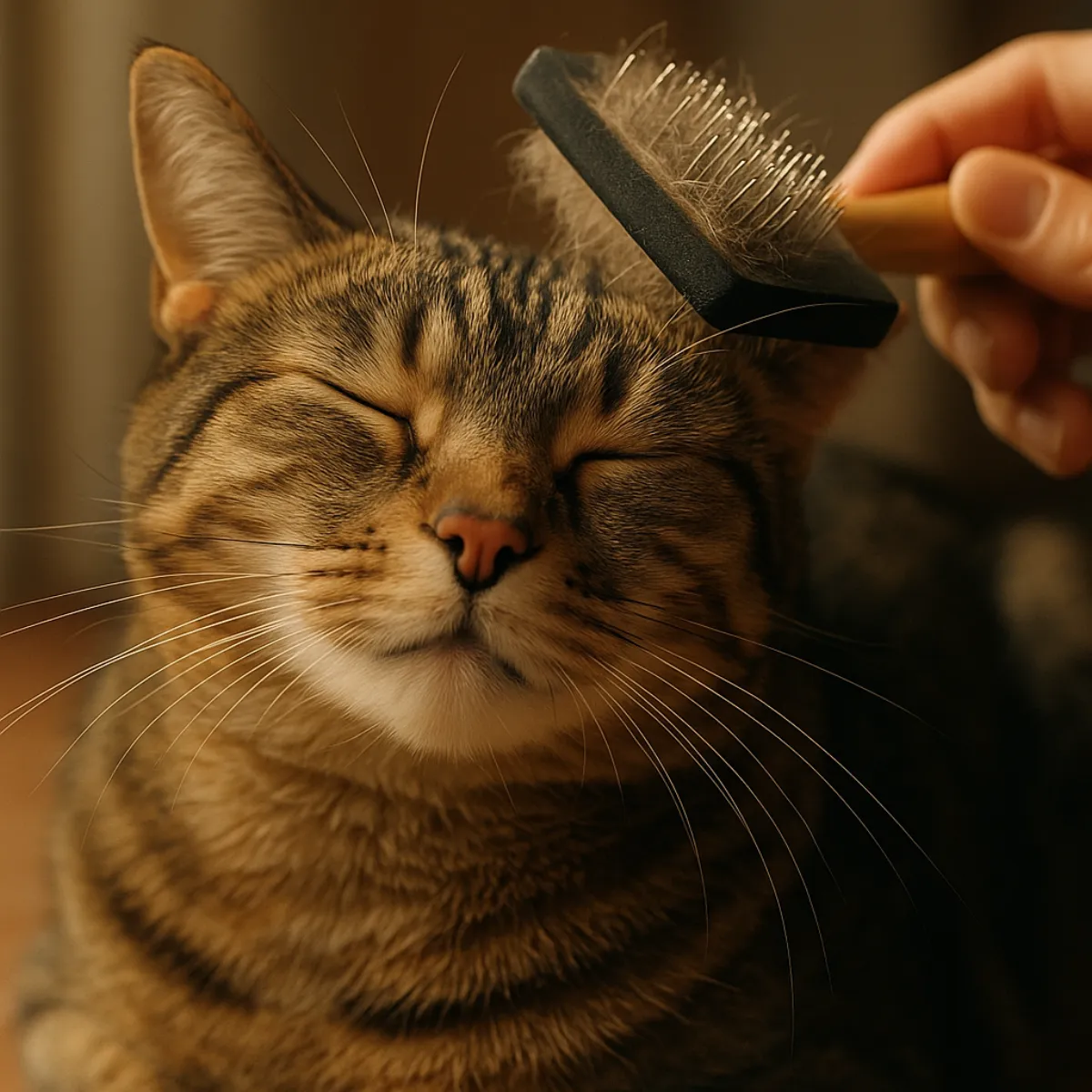
The coat is the line that most separates this breed’s budget from an average cat’s, and it is also the most misunderstood in both directions. A Persian’s coat is a dense, long double coat, and it is not a wash-and-go feature the way a short coat is. Mats form wherever friction happens during normal movement, behind the ears, under the legs, around the tail, and along the belly, and a surface brush over the top of the coat achieves very little in those spots.
Combing down to the skin, every single day, with a proper metal comb and a slicker brush, is the realistic standard for keeping this coat in good condition without professional help. That sounds demanding because it is, and it is the single biggest lifestyle commitment this breed asks of an owner, arguably more than any other line item in this whole article. Owners who build the habit from kittenhood, in short calm sessions, usually find it manageable. Owners who skip days here and there find the coat mats faster than they expected, because missed days compound rather than averaging out.
Daily brushing versus professional grooming cost
When home combing genuinely keeps pace, professional grooming becomes optional, perhaps a bath and blow-dry a few times a year to keep the coat looking its best, at an illustrative $50 to $90 a visit. When it does not keep pace, the costs rise quickly. A professional de-matting session on a coat that has gone too long between combings commonly runs an illustrative $70 to $150, and a severely matted coat sometimes needs to be shaved down entirely, occasionally under light sedation if the mats are painful or extensive enough that the cat cannot tolerate the process awake, which pushes the bill well above a routine groom.
The honest budgeting advice is to decide early which owner you actually are. If daily combing is realistic for your schedule and your cat tolerates it, the coat is close to a free line beyond the initial tool purchase. If it is not realistic, budgeting for regular professional maintenance, every four to six weeks, from the start is cheaper across a year than letting the coat go and paying for emergency de-matting or a shave-down later. Neither path is wrong; pretending you will manage daily combing when your schedule genuinely will not support it is the expensive mistake.
Eyes, tear staining, and the flat-faced face shape
Many modern Persian lines carry a flattened facial structure, and that shape brings a small routine of its own regardless of which breeder you buy from. Tear duct overflow is common in flat-faced cats because the shortened nasal passages change how tears drain, and the result is visible staining on the fur below the eyes if it is not managed. A daily or near-daily gentle wipe with a vet-approved solution, part of the same grooming session as the coat combing, is the usual routine, and the tools involved cost very little.
Left unmanaged, chronic tear staining can lead to skin irritation and occasional infection in the damp fur around the eyes, which turns a cosmetic issue into a small veterinary expense. The facial folds some lines carry need similar gentle attention to stay dry and clean. None of this is dramatic or expensive on its own, but it is a genuinely extra line of daily care that a moderate-faced or shorthaired cat simply does not require, and it is worth knowing about before the cat comes home rather than discovering it in month two.
Health conditions the breed screens for
Most Persian cats live full, comfortable lives, and an owner is better off knowing the names of the conditions commonly discussed for this breed rather than discovering them during a crisis. Polycystic kidney disease is the condition most specifically associated with this breed, an inherited condition affecting the kidneys for which a reliable genetic test exists, and responsible breeders test their breeding cats and can show you documented clear or affected results. Ask for that paperwork before any money changes hands, and ask what the breeder does if a cat tests positive.
The flattened facial structure some lines carry is itself a point worth discussing with a vet before you buy, since in its more extreme forms it is associated with breathing difficulty, particularly in heat or during exertion, and can affect how comfortably a cat eats, sleeps, and regulates its temperature. Dental crowding related to the shortened jaw is also commonly discussed, since teeth that do not have normal spacing can be more prone to plaque buildup and related dental disease across a long life.
Two honest caveats belong here, the same as for any breed. Naming a condition associated with a breed is not a prediction about any individual cat, and genetic testing reduces risk without eliminating it entirely. What this means financially is straightforward: buy from a breeder who tests and shows you the results, consider a more moderate facial type if breathing comfort matters more to you than an extreme look, register with a veterinarian early, and put financial protection in place while the cat is young.
Dental care and why it needs its own budget line
Dental disease is common in cats generally across a long life, and the jaw crowding some Persian lines carry can make it worth paying closer attention to here than in a cat with more typically spaced teeth. Routine veterinary exams usually include a look at the mouth, and most cats eventually need at least one professional dental cleaning in their lifetime, sometimes several across a long one. An illustrative professional dental cleaning for a cat commonly runs in the range our cat dental cleaning cost read prices in detail, and it is worth reading alongside this one if you are budgeting for the breed seriously.
Home dental care, brushing a few times a week with a cat-safe toothpaste, or dental treats and water additives as a lower-effort supplement, is inexpensive and genuinely reduces how often professional cleaning becomes necessary. Building that habit early, the same way you build the coat-combing habit, pays off across a lifespan this long far more than it would across a shorter-lived breed.
Ongoing annual cost of a Persian
Once the kitten stage is behind you, costs settle into a rhythm shaped mostly by how you handle the coat. As an illustrative shape, ongoing yearly costs for a healthy adult Persian commonly land somewhere around $1,400 to $3,800, or roughly $115 to $320 a month, covering food, litter, routine veterinary care, coat care, and insurance if you carry it.
The lower end of that band assumes confident daily home combing, a mid-range diet, routine wellness visits, and no insurance. The upper end reflects regular professional grooming every few weeks, premium food, an insurance premium, and a year with an extra appointment for the eyes or teeth. Neither end accounts for a genuinely bad year, and a kidney or dental issue in this breed can push a single year well above either figure.
The planning advice mirrors any cat’s: budget the recurring number, and hold a separate fund for the years that are not typical. Our monthly cost of a cat read breaks the recurring side down month by month for cats generally, useful as a comparison point against this breed’s higher coat-care line.
Pet insurance for a Persian
Pet insurance deserves a genuine decision for this breed specifically, because the combination of a long typical lifespan and a short, named list of conditions worth watching for, the kidney condition chief among them, makes the arithmetic a little more favourable than it is for an average shorthaired cat. A policy converts the risk of one large unpredictable bill into a small predictable monthly premium, and the timing matters more than almost anything else: buying cover while the kitten is young does so before anything can be classified as a pre-existing condition and therefore excluded.
Our dog insurance cost read and pet insurance cost per month read price premiums generally; request an actual quote for this specific breed rather than assuming a generic cat average applies, since insurers that track breed-level claims data price pedigree cats individually. The legitimate alternative is a funded savings habit you genuinely leave alone, and the real exposure with that route sits in the first few years, while the fund is still small and a kidney ultrasound or a dental procedure would otherwise land as a shock rather than a planned withdrawal.
The indoor-only equipment budget
Because this breed lives exclusively indoors, the equipment list is smaller in some ways and larger in others than a cat allowed outside. You can skip outdoor-specific gear entirely, but you need genuinely good litter box setups, since an indoor-only cat with a long coat benefits from a box style that keeps litter away from the fur around the hindquarters. You need scratching posts and climbing options to keep an indoor cat engaged, and you need the grooming kit already discussed: a metal comb, a slicker brush, and eye-wipe supplies that most other breeds simply never need.
That equipment sits mostly inside the first-year setup figure rather than the ongoing annual one, which is part of why the first year runs well above the typical annual figure that follows it. Replacement across the following years is modest: worn scratching posts, occasional new litter boxes, and the steady resupply of eye-care wipes and grooming tools, all folded into the gear share of the ongoing annual budget.
Where a Persian’s lifetime cost goes
Assemble the pieces and the shape of the lifetime spend comes into focus, and the coat line is the part that looks different from most other breeds. The proportions below are illustrative shares of a whole lifetime total rather than dollar figures.
Where a Persian cat's lifetime cost goes
Representative split of an illustrative lifetime total into its main blocks, as shares of the whole. Illustrative shares, not dollars.
Shares shift with the cat and the household: confident home grooming shrinks the coat and face care block substantially, a kidney or dental problem enlarges the veterinary block, and a rescued or retired breeding cat shrinks the purchase share close to nothing.
Two readings matter most. First, coat and face care together claim a bigger share here than in almost any other breed this site covers, and that share is the one most within your control, since confident daily combing can push it toward the low end on its own. Second, veterinary care and food together still form the largest combined share, which is the same structural pattern every cat’s budget follows regardless of coat length.
The lifetime cost of a Persian cat
Adding purchase, first-year setup, and ongoing annual costs across a long feline life, an illustrative lifetime total for a Persian commonly lands somewhere around $16,000 to $34,000 or more. The breed is commonly described as living around twelve to seventeen years, and that longevity, stacked on top of a genuinely higher coat-care line than most breeds carry, is what pushes the total toward the upper half of what a typical pedigree cat costs across its life.
A rescued or retired breeding adult, self-funded, fed a mid-range diet, and groomed confidently at home sits near the bottom of that range. An insured cat with regular professional grooming, premium food, and a kidney or dental issue managed across its later years climbs well past the top. Neither scenario is more typical than the other; they are the two honest ends of a wide, realistic range.

Longevity is the real cost driver
More than any single recurring line, how long your particular Persian lives is what decides the final number. A cat that reaches twelve years and one that reaches seventeen are living the same annual budget for roughly five extra years, and that stretch alone can move the lifetime total by thousands of dollars without a single year costing more than the illustrative band above.
That is not a reason to worry, it is a reason to plan with the long horizon in mind from the very first month rather than treating the kitten-stage costs as the whole picture. Senior cats, generally from around age eleven or twelve onward, commonly need more frequent wellness visits and bloodwork to catch kidney or other age-related changes early, which is exactly where the kidney condition discussed earlier becomes a financial as well as a medical consideration. Budgeting a little more generously for the later years, rather than assuming costs stay flat for life, is the realistic approach for a breed that commonly reaches its mid-teens.
An illustrative year with an adult Persian
Take one ordinary year with a healthy adult Persian and cost it in layers so the annual figure becomes concrete rather than abstract. Every number here is illustrative; the method is the real lesson. Assume a settled adult cat in its middle years, fed a mid-range diet, insured, combing the coat daily at home with an occasional professional groom, and no boarding this particular year.
Start with food and litter. A mid-range diet and a standard clumping litter routine illustratively runs about $660 for the year, a modest and predictable line for a cat this size.
Add the routine veterinary care. An annual examination, boosters as recommended, and year-round parasite prevention illustratively add around $360, taking the running total to roughly $1,020. This assumes nothing goes wrong across the year.
Add coat care and insurance. A home-combing routine plus two or three professional grooming visits illustratively adds around $260, and an insurance premium adds around $410, taking the year to roughly $1,690 in total, or about $141 a month. That sits comfortably inside the annual band this read uses, built from the bottom up.
The lesson is in what this example leaves out. It contains no dental procedure, no kidney ultrasound, no de-matting emergency, and no illness, and any of those pushes a single year noticeably above this baseline. Run your own diet, grooming, and insurance assumptions through the cost calculator to price your own version of this year.
How to keep Persian costs down
There are honest ways to lower the total, and nearly all of them involve consistency rather than cutting corners. Consider a rescue or a retired breeding cat, since an adult Persian costs a fraction at the door and its coat type and temperament are already visible rather than predicted. Buy from a breeder who tests for kidney disease, because the money saved by skipping genetic testing is frequently borrowed from a future veterinary budget, and a kidney condition in a long-lived cat is not an inexpensive one to manage.
Among recurring costs, build the daily combing habit from the first week, because it is the single largest lever on the coat-care share of the budget and it costs nothing beyond the tools. Learn gentle eye-wipe care for the tear ducts, a two-minute daily habit that prevents a small cosmetic issue from becoming a veterinary one. Decide the insurance question while the cat is young, before anything, kidneys included, could be classified as pre-existing. Buying a genuinely good comb and slicker brush once beats repeatedly fighting mats with inadequate tools.
The place not to economise is the kidney screening and the routine wellness visits that catch problems early in a cat that may live past fifteen. A missed dental problem, an unmanaged mat that becomes a skin infection, or a kidney issue caught late each turn a modest, predictable cost into a larger, harder one, and for a breed with this specific combination of a long life and a few named risks, early attention is the cheapest insurance available. Our saving on pet medications read covers where genuine savings exist without cutting actual care.
How this fits your bigger pet budget
A Persian sits inside a household budget rather than beside it, and the useful exercise is placing its annual figure, and its genuinely larger coat-care line, against your other recurring commitments before the cat arrives. Our new cat budget read walks through building that budget from scratch, and this read’s first-year figures cover the front-loaded part in detail.
Two structural habits do most of the work here. The first is a dedicated pet fund receiving a fixed monthly contribution, whether or not you also carry insurance, so a kidney workup or a dental procedure has somewhere real to land rather than landing on a credit card. The second is honestly assessing your own schedule before the kitten arrives, since the daily combing commitment is as much a budget decision as a time one: skip it consistently and you are choosing to pay a groomer instead, which is a perfectly valid choice as long as it is a planned one rather than a surprise. Our help with vet bills read covers what exists if a bill arrives before the fund is built up.
The reason to set this up in the first weeks rather than the first crisis is that every part of a pet budget is easier when it is planned. A household that has already decided its grooming routine, its insurance position, and its monthly contribution will not be making a coat-care or medical decision under pressure when it matters most.
The bottom line
Persian cat cost is a longevity-and-coat story, not a purchase-price story. An illustrative $1,000 to $2,200 buys a kitten from a registered breeder, and then a cat that commonly lives twelve to seventeen years needs daily coat attention or a paid groomer, a little extra routine care around the eyes and face in many lines, and genuine attention to a kidney condition this breed is specifically screened for. An illustrative $1,400 to $3,800 a year, and an illustrative lifetime total somewhere around $16,000 to $34,000 or more across that long life, is the commitment being made.
Then bring the cat home like someone who intends to keep up the coat routine for the whole of that life. Ask to see the breeder’s genetic testing results for kidney disease before any money changes hands. Decide honestly whether daily combing fits your real schedule, not your intended one, and budget for professional grooming from day one if it does not. Build the eye-wipe habit alongside the coat routine rather than as an afterthought. Decide the pet insurance question while the cat is young and healthy, and fund a cushion sized for a cat that may still be with you in its late teens. That honesty, more than any number above, determines whether this turns out to be a good fifteen years for both of you.
This cost read is general information about the costs and practicalities of living with a Persian cat, not veterinary or financial advice, and it does not substitute for guidance from professionals who can assess your own circumstances and your own cat. Every dollar figure, share, and lifespan reference above is illustrative, varies widely with your region, your breeder or rescue, your individual cat, and the choices you make about diet, grooming, insurance, and care, and none of it is a quote. The conditions named here are ones commonly discussed by veterinarians and breeders in connection with the breed, described so that you know what to ask about, and nothing above is a diagnosis, a prediction, or a statement about how likely any condition is in any particular animal. If you have any concern at all about your cat’s breathing, eyes, kidneys, coat, or behaviour, contact a licensed veterinarian who can examine it rather than relying on an article, and confirm genetic testing records and breeder claims in writing before money changes hands.
Cost by breed size
Illustrative first-year cost by typical adult weight class — food, vet care, and starter gear all scale with size, which is the biggest single driver of lifetime cost between breeds.
Figures are illustrative first-year planning ranges, not a quote for any specific pet — breed, region, and individual health all move the real number. Use the calculator above for your own estimate.
Frequently asked questions
How much does a Persian cat cost?
As an illustrative figure, a pet-quality Persian kitten from a registered breeder commonly runs somewhere around $1,000 to $2,200, with kittens from established show catteries, or lines bred for the extreme flat-faced look some buyers specifically seek, priced above that. Shelters and breed-specific rescues do place Persians and Persian-type cats, though less often than more common shorthaired breeds, and an adoption fee there commonly runs an illustrative $100 to $400. A third route worth knowing about is the retired breeding cat, an adult a cattery places once its breeding years end, commonly at an illustrative $300 to $700. The purchase price is only the opening number, because the coat and the face shape this breed is known for both carry ongoing costs that a shorthaired cat simply does not have.
Why are Persian cats expensive to own?
Two things set this breed apart from most other cats on the recurring-cost side, and neither one is food. The long, dense coat needs daily attention to avoid matting, and owners who cannot or do not keep up with that routine end up paying a professional groomer, sometimes a specialist one, several times a year. The flattened face shape common in modern show-type lines also brings practical realities: tear duct overflow that needs regular wiping to prevent staining and skin irritation, and sometimes breathing or dental considerations worth discussing with a vet before you buy. Add a long typical lifespan on top of both of those lines and the total adds up to more than the purchase price suggests.
How much does a Persian cat cost per year?
As an illustrative shape, ongoing yearly costs for a healthy adult Persian commonly land somewhere around $1,400 to $3,800, covering food, litter, routine veterinary care including the extra attention this breed's eyes and face often need, coat care, and insurance if you carry it. The lower end assumes a settled adult on a mid-range diet, confident home grooming, and no insurance premium. The upper end reflects premium food, regular professional grooming, an insurance premium, and a year with an extra appointment. The food and litter line is unremarkable for a cat this size, which makes coat and face care the real differentiator in this breed's budget.
Do Persian cats need professional grooming?
Most Persian owners book one at some point, and many book several a year, because this is widely considered one of the highest-maintenance coats in the cat world. The dense double coat mats easily, particularly behind the ears, under the arms, around the tail, and anywhere friction happens during normal movement, and a mat left too long can pull painfully at the skin and require a vet, sometimes under sedation, to remove safely. Daily combing to the skin with the right tools is the only real substitute for professional grooming, and owners who keep that habit from day one spend far less than owners who let it slide and then pay a groomer to fix months of neglect in a single expensive visit.
What health problems are commonly discussed for Persian cats?
Most Persian cats live full, comfortable lives, and naming a condition associated with a breed says nothing about whether any individual cat will develop it. That said, there are topics veterinarians and breeders commonly raise for this breed, and an owner is better off knowing the names in advance. The conversation usually covers polycystic kidney disease, an inherited condition for which a genetic test exists and which responsible breeders test their cats for, breathing difficulty associated with a flattened face shape in some lines, tear duct overflow and the staining and skin irritation it can cause if left unmanaged, and dental crowding related to the shortened jaw. None of that is a prevalence claim or a prediction about your specific cat. Ask a breeder exactly what the parent cats were tested for, ask to see the documented results, and take any concern about your own cat's breathing, eyes, or kidneys to a veterinarian who can examine it.
Is pet insurance worth it for a Persian?
Insurance deserves a genuine decision for any cat, and the case is a little stronger here because this breed carries a long typical lifespan alongside a short list of conditions that are worth knowing about financially, including the kidney condition a genetic test can screen for and the face-shape-related issues some lines carry. The mechanism is simple: a policy converts the risk of one large unpredictable bill into a predictable monthly premium, and buying it while the kitten is young does that before anything has become a pre-existing condition and therefore excluded from cover. Premiums are priced on species, breed, age, location, and cover level, so get an actual quote for this breed rather than assuming a generic cat average applies. The legitimate alternative is a funded savings habit you genuinely leave untouched, and the real exposure with that route sits in the first few years, while the balance is still small.
How much does a Persian cat cost over its lifetime?
Carrying the purchase, the first-year setup, and a long run of food, litter, coat care, and veterinary bills, an illustrative lifetime total for a Persian commonly lands somewhere around $16,000 to $34,000 or more. The breed is commonly described as reaching around twelve to seventeen years, and that longevity, stacked on top of the coat and face-care lines most other breeds do not carry, is what drives the total toward the upper half of what a typical pedigree cat costs. A rescued adult, self-funded, fed a mid-range diet, and groomed entirely at home comes in below the bottom of that range. An insured cat with regular professional grooming that reaches its late teens climbs well past the top. Use the figure to test the commitment rather than to predict a particular cat.