

What's on this page
- The short answer: what a Yorkie costs
- Yorkie purchase price: breeder versus rescue
- Why small litters keep the price up
- Teacup, toy, and rare-color marketing: a warning
- A Yorkie cost table
- The first-year cost of a Yorkie
- Ongoing annual cost of a Yorkie
- Feeding a Yorkie: a genuinely small line
- The coat that never stops growing: grooming costs
- Dental crowding: the breed’s biggest recurring health cost
- Patellar luxation and knee costs
- Tracheal collapse: what it is and what it costs
- Portosystemic liver shunt: a breed-associated risk
- Hypoglycemia and fragility in very small puppies
- Why pet insurance matters for this breed
- What Yorkie pet insurance costs
- The lifetime cost of a Yorkie
- How a Yorkie compares to other small breeds
- Buying responsibly: what to look for
- An illustrative year with a Yorkie
- How to keep Yorkie costs down
- Is a Yorkie worth the cost?
- How this fits your bigger pet budget
- The bottom line
Short answer: A Yorkshire Terrier puppy from a reputable breeder commonly runs an illustrative $800 to $2,200, rescue roughly $150 to $450, and a teacup, rare-color, or show-quality puppy can reach $2,600 or more. Food and routine care are cheap for a dog this small, but a continuously growing coat, crowded teeth, a slipping kneecap, and in some dogs a liver shunt are real, breed-specific lines. An illustrative lifetime total commonly lands around $16,000 to $33,000 or more.
The cost of a Yorkie starts with a purchase price that looks modest for a fashionable toy breed and ends somewhere much larger, because almost none of what makes this dog expensive shows up on the price tag. A pet-quality puppy from a reputable breeder commonly runs an illustrative $800 to $2,200, a number set less by the dog’s tiny size and more by small litters, frequent caesarean deliveries, and the health screening a responsible breeder does on the parents. What that figure hides is the following thirteen to sixteen years, in which a coat that never stops growing, a small jaw prone to crowding, a kneecap that can slip, and a less common but genuinely breed-associated liver condition do most of the real spending.
This cost read prices both halves honestly. It works through the purchase price and what drives it, the first-year and ongoing annual totals, and then the parts that make a Yorkie specifically expensive rather than generically small: the grooming habit a continuously growing coat demands, the dental crowding a small jaw produces, the knee and windpipe issues toy breeds are known for, and the liver shunt risk that is particular to this breed. It closes on the full lifetime total, with a Yorkie cost calculator so you can turn these ranges into a number for your own plan. It sits alongside our Chihuahua cost read and our Pug cost read, which price two other small breeds with their own known health tendencies, and our dog cost by breed read, which places many breeds side by side.
Key takeaways
- A reputable-breeder Yorkie commonly runs an illustrative $800 to $2,200 for a pet-quality puppy; rescue is roughly $150 to $450, and a teacup or show-quality puppy can reach $2,600 or more.
- Small litters and frequent caesarean deliveries keep the purchase price up for a dog this size, the same production-cost logic that lifts the price of other small- or narrow-built breeds.
- The coat is a genuine recurring cost: a practical short clip runs an illustrative $100 to $250 a year, while keeping the classic long coat commonly runs $400 to $700 a year.
- Dental crowding, patellar luxation, tracheal collapse, and a breed-associated liver shunt are the known cost drivers; none is guaranteed in any one dog, but together they are common enough to plan for.
- An illustrative lifetime total commonly lands around $16,000 to $33,000 or more. Every figure here is illustrative and varies widely.
The short answer: what a Yorkie costs
For the purchase, plan on three fairly different tiers. From a reputable breeder, a pet-quality Yorkshire Terrier puppy commonly runs an illustrative $800 to $2,200, set by the parents’ health clearances, the litter size, and local demand. From a rescue or shelter, when one is available, adoption commonly runs an illustrative $150 to $450, usually bundling early medical care. At the top, a teacup-marketed puppy, a rare or fashionable color, or a show-quality line pushes past the standard breeder range, sometimes to $2,600 or more.
The purchase price answers only the first question. What a Yorkie truly costs over time is decided by things the sticker hides: a coat that never stops growing, which turns grooming into a real and recurring line rather than an occasional bath; a small jaw that commonly crowds the teeth; a kneecap and a windpipe that are both known toy-breed weak points; and, specific to this breed, a real if uncommon risk of a liver shunt that can mean a significant bill if it is present. Food and routine veterinary care, by contrast, are genuinely cheap for a dog this size.
The rest of this read prices both layers honestly. It gives illustrative purchase, first-year, ongoing, and lifetime ranges, explains what drives each, and stays plain about the breed’s known tendencies rather than glossing them. Treat every dollar figure as an illustrative planning range rather than a quote, and route any specific medical question to a vet who can examine your dog. Drop your own numbers into the cost calculator as you read to see where you land.
Yorkie purchase price: breeder versus rescue
The biggest fork in the purchase price is where the puppy comes from, and for this breed the gap is a little narrower than for some others because even a standard breeder price reflects real production cost. A reputable breeder prices a puppy to cover health clearances on the parents, veterinary care through what is often a difficult whelping, and weeks of early handling, which is why an illustrative $800 to $2,200 is a normal pet-quality range rather than a markup. That figure buys, at its best, a puppy from screened, well-socialized parents with early vet care already done, which matters in a breed where a congenital liver problem is a genuine, if uncommon, possibility.
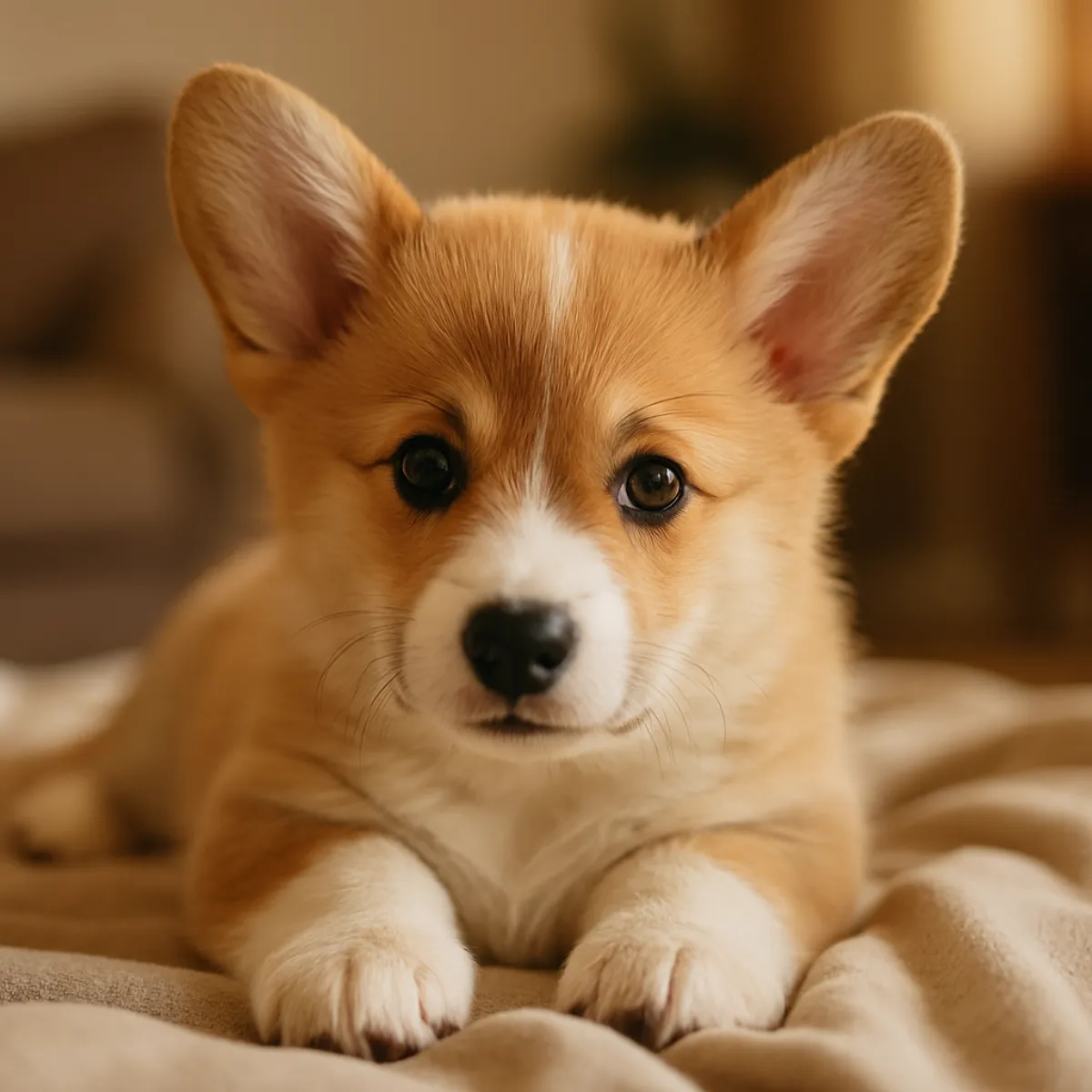
Rescue or adoption sits at the other end, an illustrative $150 to $450, though Yorkshire Terriers reach general shelters less often than larger, more commonly surrendered breeds. Breed-specific Yorkie rescues exist and are worth a look, since they frequently place adult dogs whose temperament, coat condition, and any known health issues are already visible rather than forecast. When an adoption fee is charged, it usually bundles the spay or neuter, vaccines, and a microchip that a breeder puppy pays for separately, narrowing the real first-year gap between the two routes.
The tier to approach carefully is the steeply discounted puppy or the one marketed purely on extreme smallness. A Yorkie priced far below the local market, or one sold with heavy emphasis on being a “teacup” or “micro” size, can signal a breeder who skipped the liver and knee screening a responsible Yorkie breeder does, or a dam bred too young or too often. Those shortcuts tend to return later as vet bills rather than as savings, which is exactly why the next section exists.
Why small litters keep the price up
The honest reason a Yorkie costs what it does to buy has little to do with the dog’s size and everything to do with how the litter is produced. Yorkshire Terriers commonly have small litters, often two to four puppies, well below what a larger or more naturally whelping breed produces, and a meaningful share of Yorkie dams need a caesarean delivery because of the breed’s narrow build. Spread the cost of prenatal care, a surgical delivery, neonatal support, and weeks of hand-rearing across only a few puppies, and the price per puppy has to climb to recover it, the same production-cost logic that keeps a French Bulldog or a Cane Corso priced above a breed that whelps naturally and easily.
The chart below shows illustrative purchase ranges across the main ways to acquire a Yorkshire Terrier, on one scale, to make the spread concrete. Every figure is a planning range rather than a quote, and all of them move with region, demand, and the individual breeder.
Illustrative Yorkie purchase price by source
Representative upfront price to acquire a Yorkie, by source and type. Illustrative, varies widely by breeder, lines, region, and demand.
Rescue sits far below because the fee covers care rather than breeding cost. Breeder prices climb with lines, coloring, and demand for extreme smallness, but a standard pet-quality puppy from screened parents is the sensible choice for most homes.
What a good breeder’s price mostly buys, then, is screening, a well-managed whelping, and early socialization, not the breed’s fame or its size. A Yorkie breeder who tests for the liver and knee issues the breed is known for, who does not push a litter of extreme-small puppies as a selling point, and who stands behind the puppies is doing the work that a bargain-priced puppy usually skips. Paying a fair price is, in real terms, paying to load the health dice in your favor for a breed where one specific condition can be a meaningful bill.
Teacup, toy, and rare-color marketing: a warning
No honest pricing of this breed is complete without addressing the teacup Yorkie. The term is marketing, not a recognized size category, applied to puppies bred or selected to be noticeably smaller than the breed standard. These puppies commonly command a real premium, driven by demand for extreme smallness rather than by any added breeding cost or health benefit, and the premium is frequently paired with words like “micro” or “tiny teacup” in a listing.
The illustrative risk side is genuine. Extremely small puppies are more vulnerable to hypoglycemia, low blood sugar that can develop quickly if a meal is skipped or stress runs high, carry more fragile bones than a standard-sized Yorkie, and in some cases come from breeders who have prioritized size over the liver and knee testing the breed’s community recommends. None of this means every small Yorkie has problems, and plenty live full, healthy lives, but the premium paid for extreme smallness is not a premium paid for better health, and the two can pull in opposite directions. A healthy, standard-sized Yorkie from a breeder who screens for the breed’s known issues is the lower-risk and frequently lower-cost choice for most households.
Rare or fashionable coloring, a “parti” pattern, or a documented show pedigree are separate price levers from size, and they say just as little about health. A dog priced up purely on coloring or on extreme smallness is a marketing decision, not a quality signal, and the questions worth asking a breeder are about hip and liver testing, not about a puppy’s coat pattern or how many pounds it weighs.
A Yorkie cost table
Because the numbers span such different categories, from a one-time purchase to recurring yearly grooming and care to occasional larger health bills, a table is the clearest way to see them together. The grid below lays out illustrative ranges for the main cost categories of owning a Yorkshire Terrier. Every figure is a planning range rather than a quote, and the health and grooming lines in particular vary with your choices and your individual dog.
| Cost category | Illustrative amount | Notes |
|---|---|---|
| Purchase (reputable breeder, standard) | ~$800 to $2,200 | One-time; teacup, rare color, or show lines run higher |
| Purchase (rescue / adoption) | ~$150 to $450 | One-time; often bundles spay/neuter, vaccines, chip |
| First-year setup and gear | ~$300 to $550 | Crate, bed, bowls, harness, grooming tools, supplies |
| Food (annual) | ~$300 to $480 | A toy dog eats very little even by small-breed standards |
| Routine annual care | ~$350 to $600 | Wellness exam, vaccines, weight-dosed preventatives |
| Coat care (short clip, annual) | ~$100 to $250 | Home trimming or an infrequent professional visit |
| Coat care (long coat, annual) | ~$400 to $700 | Daily home brushing plus regular professional upkeep |
| Breed-specific health (typical year) | ~$150 to $800 | Dental, knee, or windpipe care; highly variable |
| Major health event (when it happens) | ~$1,200 to $4,500+ | Dental extractions, patellar surgery, shunt repair, illustrative |
| Pet insurance premium | ~$300 to $660 / year | Modest to moderate, reflecting a mostly cheap breed with real known risks |
| Illustrative lifetime total | ~$16,000 to $33,000+ | Purchase plus roughly 13 to 16 years of care |
Read down the table and the shape is clear: the purchase and the day-to-day food line are both modest for a dog this small, while the real variability sits in how you manage the coat and in whether the breed’s known dental, orthopedic, or liver issues show up in your dog. A Yorkie kept in a practical short clip with sound knees and a healthy liver sits toward the lower end of the lifetime total; one kept in a full long coat that also needs a kneecap repair or a shunt surgery climbs toward the top. Use the table to place your own plan, then run it through the calculator to see the total for your own assumptions.
The first-year cost of a Yorkie
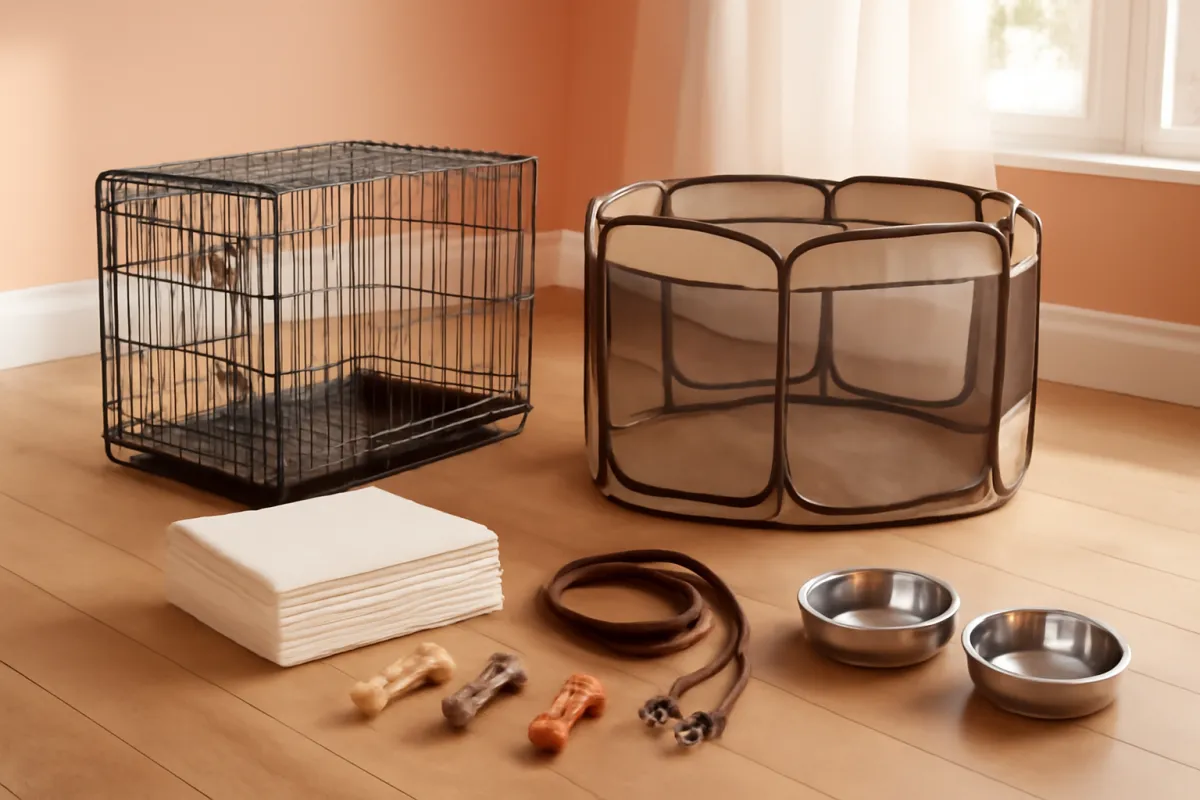
The first year is the most expensive twelve months of a Yorkie’s life outside a major health event, because it front-loads the purchase and the initial setup on top of a full year of food, care, and grooming. Start with the purchase, an illustrative $800 to $2,200 from a breeder or a few hundred dollars from a rescue. Add initial setup and gear, an illustrative $300 to $550 for a crate sized for a tiny dog, a bed, bowls, a properly fitted harness rather than a collar that can stress a small trachea, grooming tools, and the odds and ends a new toy dog needs.
Then there is the first year of veterinary care: the remainder of the vaccine series if not already finished, deworming, a wellness exam or two, weight-dosed parasite preventatives, and the spay or neuter if the dog is not already altered. Because of the breed’s known liver tendency, some veterinarians recommend a bile acids test, a simple bloodwork panel, around the time of the spay or neuter, which is a modest add rather than a major one unless it flags something for follow-up.
Put together, the first year for a breeder Yorkie commonly lands in an illustrative $2,700 to $4,900 range once purchase, setup, food, and a year of care and coat maintenance are combined, higher if you keep the coat long or choose comprehensive insurance from day one. For an adopted Yorkie, the first year is far cheaper on the purchase side, often an illustrative $1,400 to $2,700 all in. Our first-year dog read breaks down the general shape of a dog’s first year, and the calculator lets you build your own.
Ongoing annual cost of a Yorkie
After the first year, the recurring cost settles into a shape that is modest for a dog this small but not negligible, because of the coat and the breed’s known health tendencies. The routine pieces are genuinely cheap: food for a four-to-seven-pound dog is an illustrative $25 to $40 a month, and routine vet care, an annual wellness exam, vaccines on schedule, and small-dog-dosed preventatives, is an illustrative few hundred dollars a year. Neither line is where a Yorkie’s real cost lives.
What lifts a Yorkie’s yearly cost above the bare minimum is the coat and the breed-specific health line together. Coat care alone ranges from an illustrative $100 a year for a short home-clipped dog to $700 for a long coat kept professionally groomed, and provisioning an illustrative few hundred dollars a year for breed-related dental, knee, or windpipe care, averaged across quiet years and occasional bigger ones, is a realistic way to plan, alongside an insurance premium or a savings contribution.
Add it together and a settled ongoing year for a Yorkie commonly runs an illustrative $900 to $2,200, modest next to most dogs but genuinely sensitive to how you manage the coat and whether a dental, orthopedic, or liver issue surfaces. Our monthly cost of a dog read sets out the recurring budget in general terms, and this breed sits toward the lower-middle of what it describes.
Feeding a Yorkie: a genuinely small line
Food is one of the pleasant surprises of owning a dog this size. A healthy adult Yorkshire Terrier typically weighs only an illustrative four to seven pounds, so a daily portion is tiny compared with almost any other breed, and quality food commonly runs an illustrative $25 to $40 a month, or roughly $300 to $480 a year. That is a fraction of what a medium or large dog eats, and it is one of the few places this breed is unambiguously cheap.
The flip side is that a small ration leaves little margin for error. Because the portions are so small, it is easy to overfeed by a small absolute amount that is a large relative one, and a Yorkie carrying extra weight puts real additional strain on the same knees the breed is already prone to straining. Puppies and nursing or recovering dogs eat more relative to their size than adults, and a premium or prescription diet costs more again, but for a settled adult the food line stays modest and predictable, which is genuinely useful when the coat and health lines are less so.
The coat that never stops growing: grooming costs
Here is the cost that most new owners underestimate, because it does not look like a medical bill and it is easy to picture as optional. A Yorkie’s coat grows continuously, closer to human hair than to the shed-and-regrow cycle most dogs’ coats follow, which means it never reaches a stopping point on its own. Left untrimmed, the coat simply keeps getting longer, so some form of regular coat management is not optional for this breed, even though how elaborate that management is genuinely is a choice.

The cheaper route is keeping the coat clipped short in a practical puppy cut, which many pet owners choose precisely because it is easier to maintain. Done at home with clippers once you learn the technique, or with an infrequent professional visit every couple of months, this commonly runs an illustrative $100 to $250 a year. The more involved route is keeping the coat long in the breed’s classic silky style, which needs daily brushing at home to prevent matting plus more frequent professional bathing and trimming, commonly an illustrative $400 to $700 a year. Our dog grooming cost read breaks down what drives professional prices generally, and our how much to tip a dog groomer read covers the tipping question.
Whichever route you choose, consistency matters more than the choice itself. A long coat that is brushed daily rarely mats; one that is brushed occasionally mats quickly, especially behind the ears, under the legs, and around the collar line, and a badly matted coat sometimes has to be shaved down entirely, which is an unpleasant and avoidable outcome. Deciding the coat-length question in the first weeks, rather than drifting into daily brushing you do not keep up with, is one of the higher-value decisions in this breed’s budget.
Dental crowding: the breed’s biggest recurring health cost
The health area most consistently cited for small toy breeds, this one included, is the teeth, and it is the cost line most owners underestimate going in. A Yorkie’s jaw is proportionally small even for a toy dog, which commonly leaves teeth crowded or misaligned, trapping plaque and tartar more readily than in a dog with normally spaced teeth. The practical result is that many Yorkies need professional dental cleanings more often across their lives than an average dog, and some eventually need extractions for teeth that cannot be saved.
As an illustrative figure, a routine professional dental cleaning for a small dog commonly runs an illustrative $300 to $700, in line with the typical range our dog teeth cleaning cost read prices in general terms, and a cleaning that includes extractions can run higher, sometimes well into four figures depending on how many teeth are involved. Daily brushing, when a dog will tolerate it, along with dental chews and regular veterinary dental checks, is the lowest-cost way to slow the buildup, and it is one of the highest-value habits an owner of this breed can build, right alongside the coat-brushing habit the dog already needs.
Patellar luxation and knee costs
Like several toy and small breeds, Yorkshire Terriers are commonly cited for patellar luxation, a kneecap that slips out of its normal groove rather than tracking smoothly as the leg moves. Mild cases may cause an occasional skip or hop without much pain and sometimes need no treatment beyond monitoring and keeping the dog lean, which matters more in a breed whose joints are already working with a small margin. More significant cases cause recurring lameness and discomfort and are managed surgically.
As an illustrative figure, surgical correction of patellar luxation, including the exam, imaging, anesthesia, and the procedure itself, commonly runs somewhere in the range of $1,500 to $3,000 per knee, and because the condition can affect both legs, a dog needing bilateral surgery sits at the higher end of that or beyond it. Keeping a Yorkie lean, since even a small amount of extra weight is proportionally significant on tiny joints, and avoiding repeated jumping from furniture are the practical, no-cost levers that reduce strain on a joint the breed is already predisposed to stressing.
Tracheal collapse: what it is and what it costs
A weakening of the cartilage rings that hold the windpipe open is a commonly cited toy-breed issue, and Yorkies are among the breeds where it comes up, producing a dry, honking cough that is often worse with excitement, heat, or pressure on the neck from a collar. Most cases are managed medically rather than surgically: weight control, a harness instead of a collar to take pressure off the throat, and medication to control coughing and airway inflammation during flare-ups, which is an illustrative modest ongoing cost rather than a single large one.
Severe, progressive cases that do not respond to medical management can need surgical correction, placing a stent or other support to hold the airway open, and that procedure is a genuinely significant bill, commonly cited in the low thousands of dollars given the specialized imaging and surgical skill involved. The practical, inexpensive lever available to every owner is using a harness rather than a collar from day one, which does not prevent the underlying weakness but does remove one everyday source of pressure on an already vulnerable airway.
Portosystemic liver shunt: a breed-associated risk
This is the condition that most separates a Yorkie’s health profile from a generic small dog’s, and it deserves its own section because it is specific to this breed’s known tendencies rather than a general toy-dog issue. A portosystemic shunt is an abnormal blood vessel that allows blood from the digestive tract to bypass the liver instead of being filtered through it, which is how the liver normally clears toxins. It is a congenital condition, present from birth, and Yorkshire Terriers are one of the breeds veterinary sources commonly associate with it.

Signs can include poor growth relative to littermates, unusual behavior after eating, or neurological symptoms in more serious cases, though a shunt is sometimes picked up incidentally on routine bloodwork before any obvious sign appears, which is exactly why some veterinarians recommend a bile acids test around the time of a young Yorkie’s spay or neuter. Diagnosis involves bloodwork and imaging, and treatment for a significant shunt is typically surgical correction, an illustrative $2,000 to $6,000 or more depending on the shunt’s location and the imaging and specialist care involved, a genuinely large bill relative to this breed’s otherwise modest everyday costs. Not every Yorkie has a shunt, and most live without ever needing this conversation, but it is specific and real enough to the breed that asking a breeder what the parents and littermates were screened for is a fair and informed question, and it is one of the strongest arguments for enrolling in insurance while a puppy is young, before anything could be flagged as pre-existing.
Hypoglycemia and fragility in very small puppies
Rounding out the breed’s known tendencies, very young or very small Yorkie puppies carry a real risk of hypoglycemia, dangerously low blood sugar, because their tiny bodies have little metabolic reserve and can crash quickly if a meal is skipped or stress runs high. This is mostly a management issue rather than a dollar line: frequent small meals in the first months, a close eye for lethargy or wobbliness, and quick access to a sugar source and a vet if something seems off. Fragile bones are the other small-puppy consideration, since a fall from a couch or a rough step from a child can cause an injury in a dog this tiny that would be a non-event for a larger breed, which argues for supervised handling and pet stairs or a ramp rather than letting a young Yorkie jump freely.
Neither of these is a recurring cost line in the way grooming or dental care is, but both are reasons the first months of a Yorkie’s life deserve more careful handling than a larger breed’s puppyhood does, and why the extreme smallness some teacup marketing chases makes both risks worse rather than better.
Why pet insurance matters for this breed
Put the health picture together and the case for pet insurance on a Yorkshire Terrier is genuinely useful, not because the breed is high-risk across the board, but because it carries a specific, known set of possible bills, dental, orthopedic, and occasionally a liver shunt, any one of which can run into four figures against a breed whose everyday costs are otherwise modest. Insurance spreads that unpredictability into a steady monthly line instead of a surprise.
Timing matters more for this breed than for most, because a liver shunt is a congenital condition that is often identified early, sometimes in the first year, and anything already diagnosed becomes a pre-existing condition that most policies will not cover. A puppy enrolled before any screening bloodwork or symptom appears gets coverage as broad as it will ever be; a dog enrolled after a shunt is already suspected or confirmed will likely see that specific condition excluded. For a breed whose single biggest possible bill is tied to something detectable early, enrolling young is not a generic good habit, it is the entire point.
The alternative, and a workable one for an otherwise cheap breed, is disciplined self-insurance: setting aside the premium-equivalent amount every month into a dedicated fund, genuinely left alone, so a dental series, a kneecap repair, or a shunt surgery does not become a financial crisis. Our reads on how to choose pet insurance and is pet insurance worth it for dogs walk through the trade-offs in general terms.
What Yorkie pet insurance costs
If you do insure, expect a modest-to-moderate premium, reflecting a breed that is cheap on food and routine care but carries a specific, sometimes significant set of known risks. As an illustrative figure, a Yorkie policy commonly runs an illustrative $25 to $55 a month, or roughly $300 to $660 a year, for a standard accident-and-illness plan, depending on your region, the dog’s age, the deductible, the reimbursement percentage, and the annual limit you choose. Our pet insurance cost per month read prices a typical dog premium around $30 to $90 a month; a young, healthy Yorkie commonly sits in the lower-middle of that range.
Several levers move the premium in the usual ways. A higher deductible and a lower reimbursement percentage cut the monthly cost but leave more of each claim to you; the reverse raises the premium but lowers your share. Younger enrollment locks in a lower starting price and, critically for this breed, coverage before the liver, dental, or knee findings that commonly surface in the first couple of years become pre-existing. Judge the premium against what it protects, a dental series, a kneecap repair, or a shunt surgery, each of which can individually exceed a year or more of premiums, which is exactly what insurance is for.
The lifetime cost of a Yorkie
Carrying every layer across the dog’s life gives the number that matters most. Yorkshire Terriers have an illustrative typical lifespan of roughly thirteen to sixteen years, a long run even among small breeds, and adding the purchase, first-year setup, and well over a decade of food, routine care, coat maintenance, and the breed’s known health provisioning, an illustrative lifetime total commonly lands somewhere around $16,000 to $33,000 or more.
Where a Yorkie's lifetime cost goes
Representative split of an illustrative lifetime total into its main blocks, as shares of the whole. Illustrative shares, not dollars.
The purchase everyone focuses on is one of the smallest slices. Food and routine care add up across many years, insurance carries real weight because of the breed's known risks, and coat care is a bigger share than for most breeds because of how the hair grows.
The width of that range reflects two things pulling the same direction: a long toy-breed life accumulates many years of otherwise cheap ordinary cost, and the coat, dental, orthopedic, and occasional liver-related lines add real recurring and sometimes lumpy spending on top. A relatively healthy, insured Yorkie kept in a practical short coat sits toward the lower end; one kept in a long show coat that also needs a kneecap repair or a shunt surgery climbs toward the top, sometimes well past it. Our lifetime cost of a dog read tallies the general case across a dog’s whole life. Use the calculator to build your own lifetime figure from your purchase price, grooming choice, care assumptions, and insurance decision.
How a Yorkie compares to other small breeds
It helps to place the Yorkie against other toy and small breeds, because the cost shape differs even among dogs of similar size. Against a short-coated toy breed like our Chihuahua cost read covers, a Yorkie’s food and purchase economics are broadly similar, modest food, a purchase price shaped more by litter size than by demand, but the Yorkie carries a real, recurring grooming line the short-coated breed simply does not have. Against a flat-faced breed like our Pug cost read, the Yorkie trades breathing-related health risk for dental, orthopedic, and liver risk, a different set of known tendencies rather than a clearly lighter or heavier one overall.
The throughline across all of them, and across this breed specifically, is that the purchase price is the smallest and least informative number. A Yorkie is not an expensive dog to feed or an expensive dog to buy; it is a dog whose coat needs a genuine ongoing plan and whose known health tendencies are specific enough to name and plan around individually, rather than a vague, generic small-dog risk. Our dog cost by breed read places many breeds side by side for a broader comparison.
Buying responsibly: what to look for
Because so much of a Yorkie’s future cost is set by how it was bred, choosing the source well is one of the highest-leverage financial decisions you make, and a welfare decision too. A responsible breeder health-tests the parents, is transparent about the breed’s known liver, knee, and dental tendencies rather than dismissive of them, manages a frequently difficult whelping with proper veterinary support, socializes the litter well, lets you meet the mother, and does not market a litter around extreme smallness. That work is part of what a fair price buys.
The warning signs run the other way. Be wary of a breeder who cannot discuss the parents’ health testing, who has litters constantly available in a breed that typically whelps small numbers, who leans heavily on “teacup” or “micro” language in the listing, or whose price is far below the local market for a standard-sized puppy. Adoption and breed rescue deserve a serious look too, since a Yorkie-specific rescue can match you with a dog whose temperament, coat condition, and any known issues are already visible, which removes much of the guesswork a puppy carries. Our how to choose a vet read covers the next relationship to line up once the dog is home.
An illustrative year with a Yorkie
Numbers land better carried through, so here is one illustrative settled year for a healthy adult Yorkie in an average-cost area, with no major health event. Food and routine veterinary care together, a wellness exam, vaccines on schedule, and weight-dosed preventatives, come to an illustrative $800 for the year, covering the dog’s predictable baseline. Coat care, in this example a mix of home brushing with an occasional professional visit rather than either extreme, adds an illustrative $300.
An owner paying an illustrative $35 a month for insurance adds about $420 for the year. Add it together and the settled year totals roughly an illustrative $1,520, most of it predictable and none of it dramatic. Now picture the year a major event surfaces: a dental series with extractions, a kneecap repair, or in a harder case a liver shunt diagnosis and surgery, any of which can turn a $1,520 year into one several times larger, which is exactly what the insurance or the fund is there to absorb. Run your own version through the calculator, and see our first-year dog read for how year one differs from a settled year like this one.
How to keep Yorkie costs down
You cannot change the breed’s coat or its known health tendencies, but several levers genuinely lower a Yorkie’s lifetime cost without shortchanging the dog. The first and biggest is buying responsibly, because a well-bred puppy from liver- and knee-screened parents carries lower odds of the breed’s most expensive known problems. Paying a fair breeder price, or adopting from a breed rescue, is one of the few cases where the right upfront choice reduces the total.
The other reliable moves are about prevention, management, and planning:
- Decide the coat length early and stay consistent. A short practical clip is dramatically cheaper than a long coat, and if you do keep the coat long, daily brushing prevents the mats that eventually force an expensive or unpleasant shave-down.
- Brush the teeth. Daily or near-daily brushing is the single cheapest lever against a breed-typical dental problem that otherwise shows up as a four-figure cleaning with extractions.
- Keep the dog lean and use a harness. Extra weight stresses an already vulnerable kneecap, and a harness instead of a collar removes everyday pressure from a windpipe this breed is predisposed to weakening.
- Ask about liver and knee screening before you buy, and consider a bile acids test around spay or neuter age if your vet recommends it, since catching a shunt early is both cheaper and safer than catching it late.
- Insure early or fund steadily. Enroll while the puppy is young, before anything has a chance to become pre-existing, or bank the equivalent every month into an untouched fund. Our how to save on pet medications read covers safe ways to trim recurring drug costs.
The corner never to cut is the dental and coat care the breed genuinely needs, because skimping there tends to cost far more later in extractions, matting, or a kneecap already under more strain than it should be, exactly the false economy our how to lower your vet bills read warns against.
Is a Yorkie worth the cost?
Whether a Yorkshire Terrier is worth its cost is a personal question, and this cost read can only frame it honestly rather than answer it for you. On one side, the appeal is real: a confident, affectionate, portable companion that travels easily and thrives on attention. On the other, the breed asks for a genuine grooming commitment if you want the classic look, a watchful eye on teeth and knees, and an awareness that a less common but real liver condition is part of this breed’s story in a way it is not for most dogs.
The fair way to decide is to weigh the full picture rather than the modest food bill or the moderate purchase price. If you can commit to the coat routine you choose, keep up with dental care, and either insure early or fund steadily, a Yorkie is a manageable and rewarding small dog whose day-to-day running costs are genuinely light. If the grooming commitment or the vigilance around the breed’s known issues does not fit your life, that is worth knowing honestly before the puppy comes home, which is the entire purpose of pricing the breed this plainly. The calculator is there to make the numbers concrete for your own situation.
How this fits your bigger pet budget
A Yorkie is a clear example of a truth that runs through all of pet ownership: the purchase price is the least important number, and the ongoing shape of care is what really defines the commitment. For this breed that shape is unusual in its own way, cheap on food, moderate on routine care, but carrying a real coat-maintenance line and a specific, nameable set of health risks rather than a vague one, stretched across a genuinely long small-breed life.
Across the years, a Yorkie’s costs sit alongside the same lines every dog carries, food, routine vet care, preventatives, and the occasional extra, the full stack our monthly cost of a dog read and first-year dog read break down. What is different is how light the food line is and how specific the coat and health lines are, which is why naming the breed’s known tendencies, rather than treating them as generic small-dog risk, is the honest way to plan. Over a whole life it adds up to the meaningful total our lifetime cost of a dog read tallies in the general case.
The reason to fold a Yorkie into that bigger budget rather than treat the purchase as the whole cost is that it turns potential surprises into plans. Insurance taken out while the puppy is young is a manageable monthly line; the same bill, a shunt surgery or a kneecap repair, arriving uninsured is a crisis. Build the estimate from the realistic ranges here, fund the grooming and risk provisions, and the breed’s cost becomes something you prepared for rather than something that happened to you. The calculator is built to show a Yorkie’s cost in exactly that fuller frame.
The bottom line
A Yorkie costs an illustrative $800 to $2,200 to buy from a reputable breeder, far less to adopt, and more for a teacup-marketed, rare-color, or show-quality puppy, but the purchase is the smaller part of the story. The breed is genuinely cheap to feed, so its true cost lives in the coat you choose to maintain and in a specific, known set of dental, orthopedic, and liver tendencies rather than in day-to-day care. Add it all up and an illustrative lifetime total lands around $16,000 to $33,000 or more.
The smart approach is to buy responsibly from a breeder who screens the parents for the breed’s known liver and knee issues, decide the coat-length question early and stay consistent with it, brush the teeth, keep the dog lean, and insure early or fund steadily while the puppy is young. Weigh the full commitment, the grooming habit and the breed-specific health watch list, before you fall for the size and the looks alone, because a Yorkie’s day-to-day costs are genuinely light even though its known risks are specific and real. Build your estimate from the illustrative ranges here, run the calculator to see the total for your own numbers, and route every specific health question to a vet who can examine your dog. Treat every figure in this read as a planning starting point rather than a quote.
A note from the MuttMark team: this cost read exists to help you plan and decide, and it is not veterinary, breeding, or financial advice. Every figure here, from the purchase and first-year numbers to the grooming, dental, orthopedic, liver, insurance, and lifetime ranges, is an illustrative planning estimate rather than a quote, and your real cost will move with your region, your breeder or rescue, the coat length and grooming routine you choose, your insurance decision, and above all which of the breed’s known tendencies your individual dog does or does not develop. The breed’s liver, dental, and orthopedic tendencies are described here honestly to support responsible ownership and informed screening questions, not to discourage ownership or to diagnose any dog: any concern about your Yorkie’s appetite, growth, teeth, knees, breathing, or behavior is a matter for a qualified veterinarian who can examine your dog in person, and decisions about its health, breeding, or care belong with that professional rather than with a budget article. Use these numbers to prepare, and leave the medical judgment to the vet who can see your dog.
Cost by breed size
Illustrative first-year cost by typical adult weight class — food, vet care, and starter gear all scale with size, which is the biggest single driver of lifetime cost between breeds.
Figures are illustrative first-year planning ranges, not a quote for any specific pet — breed, region, and individual health all move the real number. Use the calculator above for your own estimate.
Frequently asked questions
How much does a Yorkie cost?
As an illustrative figure, a Yorkshire Terrier puppy from a reputable breeder commonly runs somewhere around $800 to $2,200 for a standard pet-quality puppy, with rescue or adoption far cheaper at roughly $150 to $450 when one is available locally. A so-called teacup puppy, a rare color, or a show-quality line can push past that, sometimes to $2,600 or more. The purchase is only the opening number, though, because this is a small, long-lived, long-coated breed whose grooming habit and a known set of dental, knee, and a less common but genuine liver condition decide the real total more than the sticker price does. Treat every figure here as an illustrative planning range and confirm real prices locally, since Yorkie pricing varies by breeder, lines, coloring, and region.
Why are Yorkie puppies so expensive for such a small dog?
The price has less to do with the dog's size and more to do with how it is produced. Yorkshire Terriers commonly have small litters, often two to four puppies, and some dams need a caesarean delivery because of the breed's narrow build, which raises a breeder's veterinary cost per puppy well above what a breed with large natural litters pays. Spread a litter's health testing, whelping care, and weeks of early handling across only a few puppies, and the price per puppy has to be higher to recover it. That is the same production-cost logic that keeps a French Bulldog or a Cane Corso priced above a breed that whelps easily, just scaled down to a toy dog.
What is a teacup Yorkie, and is it worth paying more for?
Teacup is a marketing term, not a recognized size category, generally used for a Yorkie bred or selected to be smaller than the breed standard. These extra-small dogs commonly carry a higher price tag, but the illustrative risk rises with it: hypoglycemia, dangerously low blood sugar, is a real concern in very small puppies with little reserve, fragile bones make an ordinary jump off a couch more dangerous, and breeders chasing extreme smallness sometimes do less health screening rather than more. A healthy, standard-sized Yorkshire Terrier from a breeder who screens for the breed's known knee and liver issues is the sounder choice for most households, and any Yorkie this tiny needs extra care around handling, warmth, and a frequent feeding schedule.
How much does it cost to groom a Yorkie?
A Yorkie's coat grows continuously rather than shedding out and resetting the way most dogs' coats do, so grooming is a genuine recurring line rather than an occasional extra. Keeping the coat clipped short in a practical puppy cut is the cheapest route, an illustrative $100 to $250 a year if you learn to trim at home, or a modest professional visit every six to eight weeks if you do not. Keeping the coat long in the breed's classic silky style needs daily brushing at home plus more frequent professional maintenance, commonly an illustrative $400 to $700 a year. Neither choice is wrong, but the long-coat look costs real money and real time to maintain properly.
What health problems make Yorkies expensive to own?
Four areas come up most for this breed, and an owner should know the names even though none of them is a certainty for any individual dog. Crowded teeth in a small jaw raise the odds of needing professional dental cleanings more often than an average dog. Patellar luxation, a kneecap that slips out of its groove, is a commonly cited toy-breed finding. Tracheal collapse, a weakening of the windpipe that produces a dry honking cough, is managed medically in most cases but can need surgery when severe. And a portosystemic liver shunt, where blood bypasses the liver instead of being filtered through it, is a congenital condition specifically associated with this breed and can mean a significant diagnostic workup and surgery if it is present. None of these affects every Yorkie, but they are common enough in the breed that budgeting for them, through insurance or a savings fund, is a genuinely useful habit here specifically.
Is pet insurance worth it for a Yorkie?
It is worth serious consideration, mainly because of the breed's dental, orthopedic, and occasional liver-related tendencies rather than because of any single catastrophic risk. A policy taken out while the puppy is young and healthy covers conditions that have not yet appeared, which matters because a liver shunt is typically identified early in life and a late enrollment could see it excluded as pre-existing. Premiums for a Yorkie tend to sit on the lower-to-middle end for a dog of any size, reflecting the breed's modest everyday costs, even though a dental series, a kneecap repair, or a shunt surgery can each run into four figures. The alternative, a disciplined monthly savings fund, works too, provided it is actually funded rather than hoped for.
How much does a Yorkie cost over its lifetime?
Adding the purchase, first-year setup, and an illustrative 13 to 16 years of food, routine care, grooming, and the breed's known health tendencies, a lifetime total commonly lands somewhere around an illustrative $16,000 to $33,000 or more. The width of that range reflects two things pulling the same direction: a long toy-breed lifespan adds many years of ordinary cost, and the coat, dental, and orthopedic lines add real recurring spending on top. A relatively healthy, insured Yorkie kept in a practical short coat sits toward the lower part of that range; one kept in a long show coat that also needs a kneecap repair or dental extractions climbs toward the top. Use the figure to plan rather than to predict, and run your own numbers through the calculator on this page.
Is a cheaper Yorkie puppy a good deal?
Usually not, and often the opposite. A Yorkie priced well below the local market can signal a breeder who skipped the liver and knee screening responsible Yorkie breeders do on the parents, or a dam bred too young or too often to recover the whelping cost honestly. Those shortcuts tend to reappear later as vet bills rather than savings. A responsibly bred puppy costs more upfront because real health testing, a caesarean delivery in many cases, and weeks of early handling went into it, and that work can lower the odds of the most expensive problems later. As with most purebred purchases, the cheapest door in is frequently the most expensive over a long toy-breed life.