

What's on this page
- The short answer: what a dog costs by breed
- What actually drives a breed’s price
- What drives a dog’s price
- Purchase price is only the start
- Popular breeds and their illustrative cost
- Shiba Inu cost
- Belgian Malinois cost
- Shih Tzu cost
- Cavalier King Charles Spaniel cost
- Chow Chow cost
- Kangal cost
- How size and breed scale the yearly cost
- Breeder versus adoption
- The breeds that cost the most over a lifetime
- A worked example: two breeds, two budgets
- Ways to lower the cost of a purebred dog
- Mixed breeds and designer dogs
- The easy-to-forget costs that vary by breed
- Questions to ask before you choose a breed
- The bottom line
Short answer: A purebred puppy from a reputable breeder commonly runs an illustrative $500 to $3,500 depending on the breed's popularity, rarity and bloodline, while adoption runs an illustrative $50 to $500 for almost any breed or mix and usually bundles early medical care. The purchase is a one-time cost; the breed's adult size, coat and health tendencies set the yearly budget for the dog's whole life, which matters far more.
Dog price is a question with two very different answers, and the one everyone reaches for first is the purchase price: the breeder’s fee or the adoption cost that gets the dog through the door. But that number, which can swing from under $100 at a shelter to several thousand for a rare breed from a breeder, is the least important figure in a dog’s whole financial life. The breed you choose sets something far larger than the sticker: it sets the yearly cost of food, grooming, medication, and care for the next decade, and that is where the real money lives.
This cost read prices dogs by breed honestly, in two layers. First the purchase price, with illustrative and commonly cited ranges for popular breeds from the Shiba Inu to the Belgian Malinois, and the reasons some breeds cost so much more than others. Then the layer that matters more: how a breed’s adult size, coat, and health tendencies drive the recurring cost that outlasts the purchase many times over. It sits alongside our puppy cost read, which prices the whole first year, and our monthly cost of a dog read, which prices the recurring budget the breed quietly decides. Drop your own choice into the cost calculator as you read.
Key takeaways
- Purebred puppies from breeders run an illustrative $500 to $3,500 depending on breed, breeder, and bloodline; adoption runs an illustrative $50 to $500 for almost any dog.
- Breed purchase price is driven by supply and demand, rarity, and proven bloodlines, not by anything about the individual puppy.
- The purchase price is a one-time cost. The breed's adult size, coat, and health tendencies set the yearly budget for the whole life of the dog, which matters far more.
- Adoption is almost always cheaper up front and often bundles the spay or neuter, vaccines, and microchip a breeder puppy pays for separately.
- Choosing a breed for the sticker alone is a mistake: a cheap puppy of a large or high-maintenance breed can cost far more across a lifetime than a pricier easy-keeper.
The short answer: what a dog costs by breed
For the purchase itself, plan on two very different worlds. From a reputable breeder, a purebred puppy commonly runs an illustrative $500 to $3,500, with the figure set by the breed’s popularity and rarity, the breeder’s health testing and care, and whether the puppy comes from pet, show, or working lines. Rare, imported, or proven-bloodline dogs sit at the top of that range and beyond, while popular breeds that are widely and easily bred sit at the bottom. From a shelter or rescue, adoption costs an illustrative $50 to $500 for almost any breed or mix, and that fee usually bundles early medical care.
But the purchase price answers the wrong question. What a dog truly costs by breed is decided by three things that recur for the dog’s entire life: its adult size, which scales food, medication, and gear; its coat, which sets the grooming bill; and its health tendencies, which can add ongoing care. A large, high-maintenance, or health-prone breed can cost more over its life than a breed whose puppy price is several times higher, because the yearly budget compounds across a decade while the purchase happens once.
The rest of this read prices both layers. It gives illustrative purchase ranges for popular breeds, explains what drives them, and then, more importantly, shows how the breed sets the recurring cost the monthly cost read and lifetime cost read tally in full. Treat every dollar figure here as an illustrative and commonly cited planning range rather than a quote, because breed pricing varies widely by breeder, bloodline, region, and the year.
What actually drives a breed’s price
Before pricing specific breeds, it helps to understand why breeds cost what they do, because the logic is consistent even when the numbers vary. Breed purchase price is driven overwhelmingly by supply and demand rather than by any quality of the individual puppy. A breed in high demand with limited supply, small litters, difficult breeding, few reputable breeders, or import costs, commands a higher price, while a popular breed that is widely and easily bred settles lower even when it is fashionable.
Rarity and bloodline stack on top of raw popularity. A breed that is uncommon in a region, or a puppy from a proven show or working line with titled parents, sits well above a pet-quality puppy of the same breed. This is why the same breed can span a wide range: the pet puppy and the show prospect are priced for different buyers. Coat colors and patterns that happen to be in fashion can push prices higher too, though a responsible buyer weighs health and temperament over a coat color that is essentially a trend.

There is one more driver that is easy to misread as markup but is usually value: the care a reputable breeder puts in. A responsible breeder prices in health testing of the parents, early veterinary care and vaccinations, proper socialization, and often a health guarantee, all of which cost money and all of which reduce the odds of expensive problems later. That is a real part of why a responsibly bred puppy costs more than a bargain from a backyard breeder or a puppy mill, and it is usually money well spent, because the cheap puppy with no health testing can become the expensive dog. Cost, here, is not the same as value.
What drives a dog’s price
The breed sets the range, but within any single breed the price of a particular dog can still swing by thousands, and knowing what moves it is what lets you judge whether a quote is fair or inflated. The biggest lever is the source. The same breed can cost an illustrative $50 to $500 through a shelter or breed rescue, a mid-range figure from a reputable pet-line breeder, and far more from a program producing show or working prospects, so a dog’s price starts with where the dog comes from before anything about the dog itself enters the math.
Age moves the number next. Puppies command the highest prices because demand concentrates on the eight-week-old, while adolescent and adult dogs of the same breed, including retired breeding dogs and returned puppies rehomed by good breeders, are often priced well below the puppy rate for an identical pedigree. Region and season matter too: a breed that is scarce in your area carries a local premium and sometimes transport costs, and demand spikes around holidays can lift prices without lifting quality, which makes the weeks after a holiday rush a quietly better time to buy or adopt.
Then there is what the price includes, which is where most sticker comparisons go wrong. Registration papers, health testing results for the parents, the vaccine series already given, a microchip, sometimes a spay or neuter or early training: two dogs at the same headline price can differ by hundreds of dollars in included value. A slightly higher fee that bundles the first round of veterinary work can make for the cheaper dog in practice, as our first-year dog read tallies line by line. None of these levers changes the deeper truth of this cost read, though: they move the one-time number, while the breed’s size, coat, and health tendencies set the recurring cost that outweighs it.
Purchase price is only the start
The most important idea in this whole read is that the purchase price is a one-time cost, and one-time costs shrink against the years of care that follow. A dog bought for $2,000 and kept for thirteen years costs a few dollars a day in purchase price spread across its life; the food, vet care, and everything else it needs over those thirteen years dwarfs the sticker many times over. Fixating on the purchase price is like buying a car on the sticker and ignoring the fuel, insurance, and maintenance for a decade.
Our lifetime cost of a dog read puts real numbers on this: a dog’s full-life cost commonly lands in the tens of thousands of dollars, of which the purchase price is a small slice even for an expensive breed. The recurring lines, food, preventatives, routine and emergency vet care, grooming, and either insurance or an emergency fund, are what add up, and they are set far more by the breed’s size and coat than by what the puppy cost. A pricey small breed can be cheaper to keep than a bargain giant one, year after year.
This reframing is what makes breed choice a budgeting decision rather than a shopping one. The right question is not which breed has the puppy price you can afford today, but which breed has the yearly cost you can afford for the next decade. The breeds priced below are worth understanding for their purchase cost, but every one of them should be judged mainly on the recurring budget it commits you to, which the monthly cost read breaks down line by line.
Popular breeds and their illustrative cost
With that frame in place, here are several frequently searched breeds with illustrative and commonly cited purchase ranges, plus the ownership cost note that matters more. Every figure is a planning range that varies widely by breeder, bloodline, region, and whether you adopt or buy. For breeds we have priced in full depth, from purchase to lifetime total, see the dedicated reads, including our Poodle cost read, our Corgi cost read, our German Shepherd cost read, our Husky cost read, our Shiba Inu cost read, our Belgian Malinois cost read, and our French Bulldog cost read.
Shiba Inu cost
A Shiba Inu puppy from a breeder is commonly cited at an illustrative $1,400 to $2,500 or more, pushed up by the breed’s steady popularity, relatively modest litter sizes, and demand that outpaces the number of reputable breeders in many areas. Show and import lines run higher. Where a breed-specific rescue exists, adoption costs far less, an illustrative $150 to $500. On the ownership side, the Shiba is a small to medium dog, so its food and weight-dosed preventatives sit toward the lower end, but its thick double coat sheds heavily during seasonal changes, so budget for grooming tools and time even though it does not need the professional clipping a long-coated breed does. It is an independent, spirited breed whose training rewards patience. Our full Shiba Inu cost read prices the breed from puppy price through the coat, the containment, the skin line, and the lifetime total.
Belgian Malinois cost
A Belgian Malinois puppy is commonly cited at an illustrative $1,000 to $2,500 from a breeder, with proven working, protection, and sport bloodlines running well above that and pet-quality puppies lower. Adoption runs an illustrative $100 to $500. The purchase price, though, is the least important number for this breed. The Malinois is a large, exceptionally high-energy working dog whose real cost is ownership: it needs serious daily exercise, structured training, and constant mental work, and owners who underestimate that often end up spending on professional training, enrichment, and specialized care. As a large breed it also carries higher food and weight-dosed costs. Budget for the training and the time as seriously as the food, because a Malinois is a working partner, not a low-maintenance companion. Our full Belgian Malinois cost read prices the working-line premium, the training line in detail, and the lifetime total.
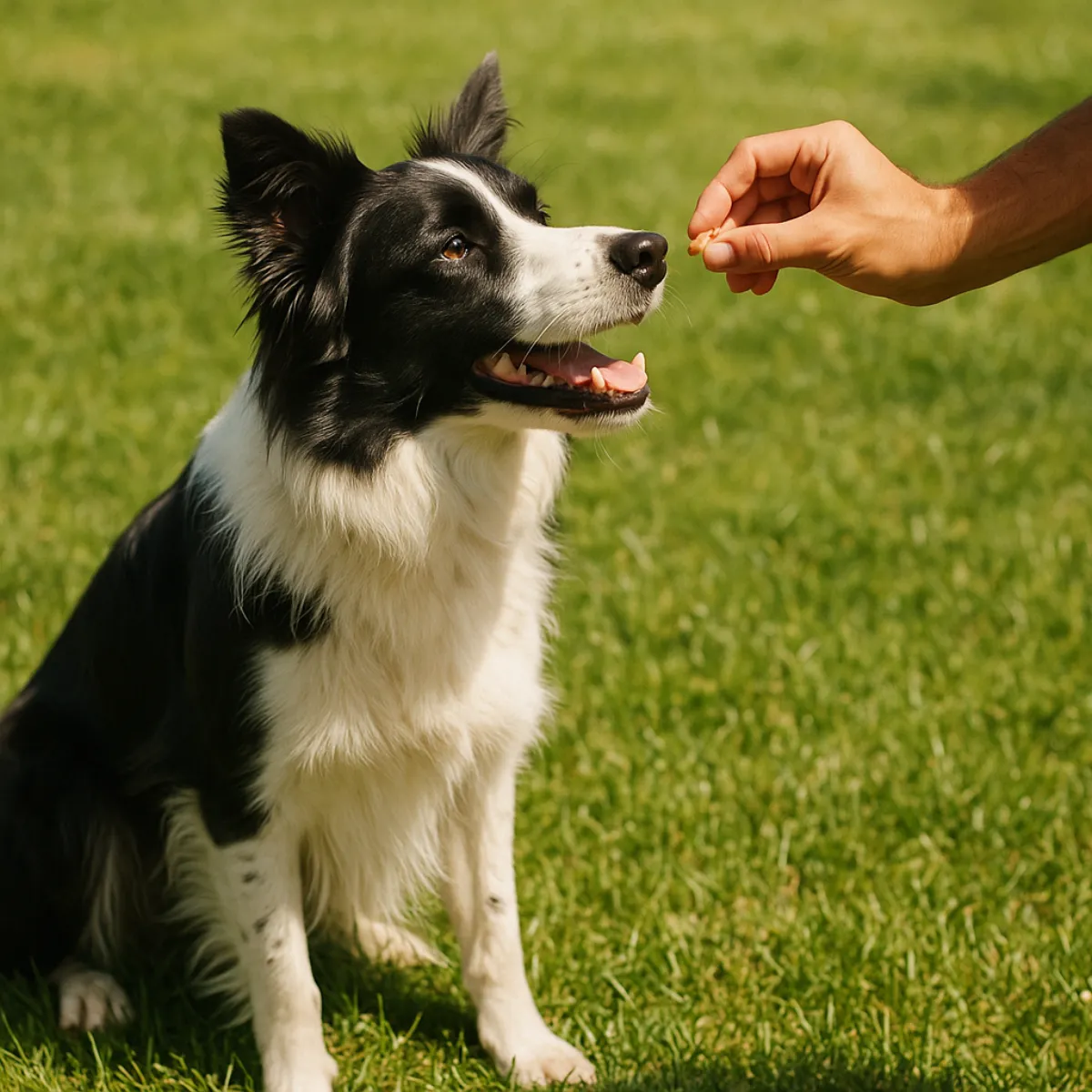
Shih Tzu cost
A Shih Tzu puppy is commonly cited at an illustrative $500 to $2,000 from a breeder, and the wide spread reflects how widely the breed is bred and the gap between casual and reputable breeders. Adoption runs an illustrative $50 to $400. As a small companion breed, the Shih Tzu keeps food and weight-dosed preventatives at the low end, but its long flowing coat is the recurring cost to plan for: kept long, it needs regular professional grooming every few weeks, which adds up across a year, while a shorter pet clip reduces the grooming line considerably. As a flat-faced breed it can carry breed-linked health considerations, particularly around breathing and eyes, that are worth discussing with a veterinarian and factoring into the health budget.
Cavalier King Charles Spaniel cost
A Cavalier King Charles Spaniel puppy is commonly cited at an illustrative $1,500 to $3,500 from a breeder, sitting toward the higher end among small companion breeds because of steady demand and the health testing responsible breeders invest in. Adoption, where available through rescues, runs an illustrative $150 to $500. The Cavalier is a small, gentle companion, so its size-driven costs are modest, and its silky coat needs regular brushing but less intensive clipping than some. The consideration that matters most for the budget is health: the breed is associated with certain hereditary conditions, which is exactly why buying from a health-testing breeder and considering pet insurance early, before anything becomes pre-existing, is worth serious thought; the Texas Department of Insurance’s pet insurance page gives the same timing advice. Our choose pet insurance guide covers why breed-linked exclusions matter.
Chow Chow cost
A Chow Chow puppy is commonly cited at an illustrative $800 to $2,000 or more from a breeder, with rarer colors and show lines higher. Adoption runs an illustrative $100 to $500. The Chow is a medium to large breed with a famously dense double coat, which makes grooming a real recurring line: the thick coat needs frequent brushing to prevent matting, and many owners use professional grooming. Its size puts food and weight-dosed preventatives in the medium to large range, and the breed’s build and coat mean heat management and skin care deserve attention. As with the other breeds here, the ongoing grooming and size-driven costs outweigh the purchase price across a lifetime.
Kangal cost
A Kangal, a large livestock-guardian breed, is commonly cited at an illustrative $800 to $2,000 from a breeder, with working-line dogs from proven guardian stock at the higher end. Adoption is less common for such a specialized breed but far cheaper where available. The purchase price, again, is not the real story. The Kangal is a very large, powerful working breed, which means its food bill, weight-dosed preventatives, medication doses, and gear all sit at the top of the size scale, and a giant breed can cost roughly double a small one to keep each month. It also has specific space, exercise, and handling needs that are a poor match for many households. For a breed like this, the honest budget question is whether you can afford to feed and care for a giant working dog for a decade, not whether you can afford the puppy.
How size and breed scale the yearly cost
The single clearest way a breed sets your budget is through adult size, because almost every recurring line scales with body weight at once. Food, weight-dosed parasite prevention, medication and anesthesia doses, larger beds and crates, and even boarding rates all rise together as the dog gets bigger. This is why the yearly cost gap between a small breed and a giant one is wide and consistent, and it is decided the moment you choose the breed.
Illustrative monthly cost of care by breed size
Recurring monthly budget after the first year, by the size band a breed falls into. Illustrative, excludes purchase price and paid daily care.
Body size, set by the breed, scales food, preventatives, and medication all at once. A giant breed can cost roughly double a small one every month, which compounds across a whole life.
Coat is the second breed-driven line, and it is nearly independent of size. A short-coated breed needs little beyond the occasional bath, so its grooming cost is close to zero, while a long-coated, curly, or dense double-coated breed can need professional grooming every few weeks, adding an illustrative $40 to $80 a month once spread across the year. This is why two medium dogs, one smooth-coated and one long-coated, can have quite different monthly totals, and it is worth knowing which side of that line a breed falls on before you commit, because a high-maintenance coat is a cost you cannot opt out of without a welfare problem.
The third breed-driven factor is health tendency. Some breeds are statistically prone to particular conditions, hip and joint issues in some large breeds, breathing issues in flat-faced breeds, certain hereditary conditions in some lines, which can add ongoing care costs and make early pet insurance more valuable. None of this is a certainty for an individual dog, but as a budgeting matter it belongs in the breed decision, and it is a strong argument for buying from a health-testing breeder and insuring young, as our is pet insurance worth it for dogs read explains.
Breeder versus adoption
The choice between a breeder and adoption is the other big lever on cost, and the two routes differ sharply at purchase and for the first year. Adoption from a shelter or rescue costs an illustrative $50 to $500, and that fee very often bundles the spay or neuter, the initial vaccine series, and a microchip, which are real costs a breeder puppy pays for separately on top of a higher price. Our spay and neuter cost read and first-year dog read show how much those bundled items are worth, and it is a quiet reason adoption is often cheaper for the whole first year, not just at the door.

Buying from a reputable breeder costs more and buys something specific: a known lineage, health-tested parents, and predictability of size, coat, and temperament, which genuinely matters for some owners and some purposes, such as a working role or a household with particular needs. What it does not buy is a better companion in any general sense, since a rescued mixed-breed dog can be every bit as healthy, trainable, and loving. The premium is for predictability and, at its best, for the reduced health risk that testing brings, not for love or quality of companionship.
On cost alone, adoption wins clearly at purchase and usually across the first year. The honest way to choose between the two is to be clear about what you actually need: if predictability of size and temperament or a specific working aptitude genuinely matters, a reputable, health-testing breeder can be worth the higher cost, and buying from anyone less than reputable is a false economy that risks the expensive-dog outcome. If those do not matter to you, adoption gives you the same decade of companionship for a fraction of the purchase cost, with much of the early medical care already done.
The breeds that cost the most over a lifetime
If you rank breeds by lifetime cost rather than purchase price, the order changes completely, and that reordering is the most useful thing in this read. The breeds that cost the most across a life are rarely the ones with the highest puppy price. They are the large and giant breeds, whose every size-scaled line runs high for a decade; the high-maintenance coats, whose grooming compounds every few weeks; and the breeds prone to costly health conditions, whose care can add up or spike.
What makes a breed expensive over a lifetime
Approximate share of what drives the lifetime cost difference between breeds. Illustrative.
Across a whole life, the purchase price is the smallest slice. Size, coat, and health, all set by the breed, decide the lifetime cost far more than the sticker does.
A giant guardian breed like the Kangal, bought for a modest puppy price, can cost more to keep across its life than a Cavalier bought for twice as much, because the food, medication, and gear scale up for a decade while the Cavalier stays small and cheap to feed. A high-maintenance coat, on a Shih Tzu kept long or a Chow Chow, adds a grooming line every few weeks that a smooth-coated dog never pays. And a breed with known health tendencies can carry ongoing costs or a higher chance of the four-figure event that insurance or a fund exists to catch.
The practical lesson is to run any breed you are considering through its whole-life cost, not its puppy price. A breed that looks affordable as a puppy but commits you to a giant food bill, frequent grooming, and elevated health risk can be the more expensive choice by a wide margin, while a pricier puppy of an easy-keeping breed can be cheaper to live with year after year. The lifetime cost read and the monthly cost read are the tools for that comparison, and they matter more than any purchase figure in this read.
A worked example: two breeds, two budgets
Numbers land better carried through, so here are two illustrative dogs, chosen to show how purchase price and lifetime cost can point in opposite directions. The figures are planning ranges, not quotes.
A Cavalier King Charles Spaniel from a breeder. The purchase price is high for a small dog, an illustrative $2,500 from a health-testing breeder. But the Cavalier is small, so food and weight-dosed preventatives sit at the low end, its coat needs brushing rather than frequent professional clipping, and its recurring monthly cost lands near the small-breed band, an illustrative $120 a month after the first year. Even with a higher puppy price, its yearly cost is modest, and the owner buys pet insurance early to cover the breed’s health tendencies before anything is pre-existing.
A Kangal from a working breeder. The purchase price is lower, an illustrative $1,200. But the Kangal is a giant breed, so food, weight-dosed preventatives, medication doses, and gear all run at the top of the scale, putting its recurring monthly cost near the giant-breed band, an illustrative $260 a month, more than double the Cavalier. Across a thirteen-year life, that monthly gap compounds into many thousands of dollars, far outweighing the $1,300 difference in purchase price, which the giant dog more than erases in feeding costs alone within a couple of years.
Put side by side, the two show the whole point of this read: the cheaper puppy is the more expensive dog. The Kangal’s lower sticker is swamped by a decade of size-scaled care, while the Cavalier’s higher purchase price is a one-time cost that fades against its modest yearly budget. Run your own breed choice through the companion and the calculator to see both the purchase and the recurring cost together, which is the only honest way to compare breeds.
Ways to lower the cost of a purebred dog
If your heart is set on a particular breed, you can lower the cost without cutting corners on the dog’s welfare, as long as you pull the right levers. These are the moves that genuinely help.
- Consider breed-specific rescue. Many breeds, including popular ones, have dedicated rescues that rehome purebred dogs for a fraction of a breeder’s price, often with early medical care included. It is the single biggest saving on the purchase.
- Buy from a reputable, health-testing breeder, not the cheapest one. The bargain puppy with no health testing is a false economy that risks becoming the expensive dog. Paying a fair price for a responsibly bred puppy usually lowers lifetime cost.
- Choose the breed for its whole-life cost, not the sticker. The largest saving of all is picking a breed whose size, coat, and health you can comfortably afford for a decade, rather than one whose puppy price you can afford today.
- Learn grooming at home for a high-maintenance coat. For a long or double-coated breed, home grooming turns a recurring professional line into the cost of supplies, one of the biggest controllable savings.
- Insure or self-fund early, especially for health-prone breeds. Enrolling a young, healthy dog locks in the widest coverage before anything becomes pre-existing (the Washington State Office of the Insurance Commissioner’s pet insurance page explains how insurers treat those conditions), which matters most for breeds with known health tendencies.
The corner never to cut is the dog’s care or the choice of a responsible source. Save on the purchase route and the grooming method, never on health testing, preventive care, or feeding the dog properly, because those cuts return later as far larger bills. Our lower your vet bills read carries this same principle across veterinary care.
Mixed breeds and designer dogs
Not every dog is a single purebred, and the two other common categories, shelter mixes and intentionally crossed designer dogs, price very differently from each other. A mixed-breed dog from a shelter or rescue is usually the most affordable route of all, an illustrative $50 to $500 including the early medical care most fees bundle, and mixes are often robustly healthy thanks to a wider gene pool. For an owner choosing on cost and open on appearance, a shelter mix delivers the same decade of companionship as any purebred for the lowest purchase price on the board.
Designer or hybrid dogs, intentional crosses between two breeds, are a different story on price. The popular crosses, particularly the various poodle mixes bred for low-shedding coats, are often priced like or above purebreds, an illustrative $1,000 to $3,000 or more from breeders, because demand is high and the low-shedding coat is marketed as a premium feature. It is worth knowing that a designer label does not guarantee the traits it promises, since crossing two breeds produces variable results, and it does not automatically mean better health. On the recurring side, many of these crosses inherit a curly or wavy coat that needs regular professional grooming, which is a real ongoing cost to plan for rather than a one-time note; our Poodle cost read prices that grooming reality in full for the parent breed.
The honest budgeting takeaway across all three categories is the same one that runs through this whole read. Whether you choose a purebred, a shelter mix, or a designer cross, the purchase price is a one-time cost, and the breed or mix’s size, coat, and health tendencies set the yearly budget that matters far more. A designer cross bought at a premium for a low-shedding coat still commits you to that coat’s grooming bill for a decade, while a shelter mix bought for a small fee may cost the same or less to keep depending entirely on its adult size and coat. Judge any dog on both numbers, not the sticker alone.
The easy-to-forget costs that vary by breed
Beyond food, grooming, and health, a few breed-driven costs are easy to overlook when comparing dogs, and they can tip a budget more than owners expect. Training is the clearest example. A high-drive working breed like the Belgian Malinois, or a strong-willed independent breed, often benefits from professional training and structured activity that a naturally biddable, lower-energy breed may not need as intensively. That training is a real recurring cost in the early years and sometimes beyond, and skimping on it with a demanding breed tends to create behavior problems that cost more to fix later.
Gear and boarding scale with size in ways the monthly food line does not always make obvious. A giant breed needs a larger crate, a sturdier bed, bigger everything, and it is charged more by many boarding facilities and some groomers, so the size premium shows up in places beyond the food bowl. Certain breeds also carry lifestyle-linked costs: a breed that needs a lot of exercise may mean paying for daycare or a dog walker if the household cannot provide the activity, which our monthly cost of a dog read flags as a line that can dwarf every other when it applies.

Finally, breed-linked health tendencies deserve a second mention here because they are the most unpredictable of the easy-to-forget costs. A breed statistically prone to a particular condition does not guarantee that condition in any individual dog, but as a budgeting matter it raises the odds of ongoing care or a large one-time bill, which is a strong argument for choosing a health-testing source and enrolling in pet insurance early. None of these costs appears on a puppy price tag, yet together they can matter more than the purchase price, which is why researching a breed’s full cost profile before you commit is one of the highest-return hours in the whole decision.
Questions to ask before you choose a breed
Choosing a breed on cost is really choosing a decade-long budget, so a few honest questions before you commit are worth more than any single price figure. Run through these with the breed you are drawn to before the puppy price ever enters the decision.
- What is its adult size, and can I afford to feed and medicate that size for a decade? Size scales the largest recurring lines, so this is the single most important cost question about any breed.
- What does its coat need, and can I do any of it at home? A long, curly, or dense double coat commits you to regular grooming, and learning to do some yourself is one of the biggest controllable savings.
- What are the breed’s known health tendencies? Ask a veterinarian and factor in both possible ongoing care and the case for insuring early, before anything becomes pre-existing.
- How much exercise, training, and attention does it need? A high-drive breed can add training and daycare costs, and mismatching energy to your life is expensive in every currency.
- Is a reputable, health-testing source or a rescue available? The purchase route moves both the price and the odds of an expensive-dog outcome, so it belongs in the budget.
Answer these honestly and you will choose a breed whose whole-life cost, not just its puppy price, genuinely fits your budget.
The bottom line
A dog’s cost by breed splits into two very different numbers. The purchase price, an illustrative $500 to $3,500 from a breeder or $50 to $500 to adopt, is a one-time cost driven by supply, demand, rarity, and bloodline, and it is the smaller figure over a lifetime. The cost that actually matters is the recurring one the breed sets: its adult size scales food, medication, and gear; its coat sets the grooming line; and its health tendencies can add ongoing care, all compounding across a decade.
The smart approach is to choose a breed for the yearly budget it commits you to, not the puppy price you can afford today. A cheap puppy of a giant, high-maintenance, or health-prone breed can cost far more across its life than a pricier easy-keeper, and adoption or a reputable health-testing breeder both beat the bargain-source puppy on true cost. Price the breed you love on its whole-life budget with the monthly cost read and lifetime cost read, run your own numbers in the calculator, and you will choose a dog you can afford not just to bring home, but to keep well for its whole life.
A closing word from the MuttMark team before you go: this cost read exists to help you plan and compare, and it is not veterinary, financial, or breeding advice of any kind. Every purchase figure here is an illustrative and commonly cited planning range rather than a quote, and real breed prices vary widely by breeder, bloodline, region, demand, and the year, while adoption fees and what they include vary by shelter. Nothing here endorses any breeder or source, and the health notes are general tendencies, not predictions for an individual dog. Buy from responsible, health-testing sources or adopt, price the whole-life cost rather than the sticker, and talk any breed-specific health questions over with your own veterinarian before you commit.
Frequently asked questions
How much does a dog cost by breed?
As illustrative and commonly cited ranges, a purebred puppy from a breeder often runs somewhere between $500 and $3,500 depending on the breed, the breeder, and the bloodline, while adoption from a shelter or rescue typically costs an illustrative $50 to $500 for almost any breed or mix. Rare, imported, or show and working lines sit at the top, and popular but widely bred dogs sit lower. The purchase price is only the start, though: the breed's adult size, coat, and health tendencies drive the yearly cost for the rest of the dog's life far more than the sticker does. Treat every figure as a planning range and expect wide local variation.
How much does a Shiba Inu cost?
A Shiba Inu puppy from a breeder is commonly cited at an illustrative $1,400 to $2,500 or more, with pricing pushed up by the breed's steady popularity and relatively modest litter sizes, and show or import lines running higher. Adoption through a breed-specific rescue, where available, costs far less, an illustrative $150 to $500. Beyond the purchase, a Shiba is a small to medium dog with a thick double coat that sheds heavily in seasons, so budget for regular grooming tools and a food and preventatives bill in the small to medium range. As with any breed, the yearly cost of care outweighs the one-time price over the dog's life.
How much does a Belgian Malinois cost?
A Belgian Malinois puppy is commonly cited at an illustrative $1,000 to $2,500 from a breeder, with proven working and protection-sport bloodlines running well above that and pet-quality puppies lower. Adoption costs an illustrative $100 to $500. The bigger cost story with a Malinois is not the purchase but the ownership: it is a large, intensely high-energy working breed whose need for serious exercise, training, and mental work often means real spending on professional training and enrichment. It is a breed whose lifetime cost, in time as much as money, is easy to underestimate, so budget for the training as seriously as the food.
How much does a Shih Tzu cost?
A Shih Tzu puppy is commonly cited at an illustrative $500 to $2,000 from a breeder, with the wide range reflecting how many are bred and the gap between casual and reputable breeders. Adoption runs an illustrative $50 to $400. The Shih Tzu is a small companion breed, so food and weight-dosed preventatives sit at the low end, but the long coat is the real recurring cost: kept long, it needs regular professional grooming every few weeks, which can add up over a year, while a shorter pet clip reduces that. Small flat-faced breeds can also carry breed-linked health considerations worth discussing with a vet.
Why do some dog breeds cost so much more than others?
Breed purchase price is driven by supply and demand more than by anything about the individual puppy. A breed in high demand with small litters, difficult breeding, or few reputable breeders commands more, while a popular breed that is widely and easily bred costs less. Rarity, import costs, and proven show or working bloodlines push prices to the top. Reputable breeders also price in health testing, early veterinary care, and proper socialization, which is part of why a responsibly bred puppy costs more than a backyard one and is usually worth it. None of this changes the larger truth that the yearly cost of owning the dog, set by its size, coat, and health, outweighs the purchase price over a lifetime.
Is it cheaper to adopt or buy a dog from a breeder?
Adoption is almost always cheaper up front. A shelter or rescue adoption fee, commonly an illustrative $50 to $500, frequently bundles the spay or neuter, initial vaccines, and a microchip, which are costs a breeder puppy pays separately on top of a higher purchase price. Buying from a reputable breeder costs more and buys a known lineage, health testing, and predictability of temperament and size, which matters for some owners and some purposes. Neither is wrong, but purely on cost, adoption wins clearly at purchase and often for the first year too, since so much early medical care is included in the fee.
Does the breed change the yearly cost of owning a dog?
Yes, and more than the purchase price does over the dog's life. Adult size is the biggest lever, because food, weight-dosed parasite prevention, medication doses, and even boarding and gear all scale with body weight, so a large breed can cost roughly double a small one to keep each month. Coat type sets the grooming line, from near zero for a short coat to a professional appointment every few weeks for a long or curly one. And breed-linked health tendencies can add ongoing costs for some breeds. The breed you choose is, in effect, a decision about the yearly budget for the next decade, which our monthly cost read breaks down.
What is the most expensive part of owning a purebred dog?
Over a lifetime, it is almost never the purchase price, which is a one-time cost that shrinks against the years of care. The largest ongoing costs are food, routine and emergency veterinary care, and, for some breeds, grooming and training, all of which recur for the life of the dog. A serious illness or emergency, which insurance or a dedicated fund exists to cover, can dwarf the purchase price in a single event. This is why choosing a breed for the sticker alone is a mistake: the affordable-looking puppy of a large, high-maintenance, or health-prone breed can cost far more across its life than a pricier puppy of an easy-keeping one.
What is a typical dog price?
There is no single dog price, but as illustrative planning ranges, adoption from a shelter or rescue commonly runs $50 to $500 for almost any breed or mix, a purebred puppy from a reputable pet-line breeder commonly runs $500 to $3,500, and rare, imported, or proven show and working lines run higher still. Where a specific dog lands inside those bands depends on the breed's demand and supply, the dog's age, the region and season, and what the fee includes, such as vaccines, a microchip, or a spay or neuter. Treat any quoted dog price as a starting figure to weigh against the whole-life cost the breed commits you to, which matters far more over the years.
What drives a dog's price beyond the breed?
Within a single breed, the price of a particular dog is moved mostly by the source, the age, the location, and the inclusions. A rescue or shelter prices far below any breeder, a pet-line puppy from a reputable breeder sits mid-range, and show or working prospects sit at the top. Puppies cost more than adolescent and adult dogs of the same breed, scarce local supply pushes regional prices up and can add transport, and holiday demand can lift prices without lifting quality. Finally, what the fee bundles, health testing, vaccinations, a microchip, or a spay or neuter, can shift the real value by hundreds of dollars, so compare inclusions rather than stickers alone.