

What's on this page
- The short answer: what a Bernese Mountain Dog costs
- Bernese Mountain Dog purchase price: breeder versus rescue
- What drives the price of a Bernese Mountain Dog
- A Bernese Mountain Dog cost table
- The first-year cost of a Bernese Mountain Dog
- Ongoing annual cost of a Bernese Mountain Dog
- Feeding a giant breed: why the bill is simply bigger
- Cancer and the breed’s shortened lifespan
- Joint health and bloat risk
- The coat: shedding without the Saint Bernard’s drool
- Training and space for a true giant breed
- Pet insurance for a Bernese Mountain Dog
- What Bernese Mountain Dog insurance costs
- The lifetime cost of a Bernese Mountain Dog
- How a Bernese compares to other giant breeds
- An illustrative year with a Bernese Mountain Dog
- How to keep Bernese Mountain Dog costs down
- Is a Bernese Mountain Dog worth the cost?
- The bottom line
Short answer: A Bernese Mountain Dog puppy from a reputable breeder commonly runs an illustrative $2,000 to $3,800, rescue roughly $300 to $700. A settled year commonly runs $2,200 to $3,800, driven almost entirely by size: food, medication, and many services price by weight. The breed's commonly discussed shorter lifespan and elevated cancer risk make insurance a serious early decision. An illustrative lifetime total lands around $20,000 to $36,000 or more, compressed into roughly seven to ten years.
The cost of a Bernese Mountain Dog starts with a striking, gentle giant and a purchase price that reflects both strong demand and a genuinely more expensive responsible-breeding process than a small dog’s. To buy, an illustrative $2,000 to $3,800 from a reputable breeder with hip, elbow, and cardiac clearances on the parents, less through rescue, and more for working or show lines. To own, nearly every recurring line in the budget carries a real premium for size, and the breed’s two biggest planning questions, how long will this dog live and what is the realistic cancer risk, deserve an honest answer before the puppy comes home rather than after.
This cost read prices the whole dog: the purchase and what moves it, the first-year and settled annual budgets, why size inflates almost every line, the breed’s commonly discussed cancer and joint risks with honest illustrative ranges, insurance, and the lifetime total, including the odd arithmetic a shorter lifespan creates. It sits alongside our dog cost by breed read, which compares many breeds on one scale, and makes a useful contrast with our Saint Bernard cost read, another giant breed whose cost shape rhymes with this one. Put your own numbers into the cost calculator as you read.
Key takeaways
- A reputable-breeder Bernese commonly runs an illustrative $2,000 to $3,800 for a pet-quality puppy; rescue is roughly $300 to $700.
- Size inflates nearly every recurring line: food, medication doses, and several services commonly price by weight, which lifts routine costs well above a small or medium dog's.
- Cancer is commonly discussed as a leading concern for this breed's shorter average lifespan, which is why the insurance decision belongs early, not after a diagnosis.
- Hip and elbow dysplasia, common across giant breeds, and bloat risk round out the breed's main health watch list.
- An illustrative lifetime total commonly lands around $20,000 to $36,000 or more, compressed into roughly seven to ten years rather than a small dog's longer span. Every figure here is illustrative and varies widely.
The short answer: what a Bernese Mountain Dog costs
For the purchase, the usual fork, sized up. From a reputable breeder, a pet-quality Bernese commonly runs an illustrative $2,000 to $3,800, with the price tracking hip, elbow, and cardiac clearances on the parents, reputation, lines, and region. From rescue, through a breed-specific giant-breed rescue or a general shelter, an illustrative $300 to $700, often an adult dog surrendered once an owner discovers the full scale of the size, grooming, and veterinary commitment a giant breed actually asks for. Below the standard range sits a volume market of casually bred puppies, commonly under $1,800, almost always from unscreened parents. Above it sit proven working or show lines.
For the ownership, the honest baseline is that size sets the floor on nearly everything. An illustrative $90 to $160 a month of food for a dog that commonly weighs 70 to 115 pounds fully grown, routine vet care priced at giant-breed rates, and a moderate grooming line for the dense double coat. A settled year commonly runs an illustrative $2,200 to $3,800. What the friendly temperament does not advertise is that this breed asks an owner to plan for a shorter life than most dogs on this site and a real, commonly discussed cancer risk within it, and doing that planning honestly is the single most useful thing this read can offer.
That shape, size-inflated routine costs plus a shortened lifespan carrying a real cancer risk, dictates the whole strategy of a Bernese budget: buy from hip-, elbow-, and cardiac-screened parents or adopt an assessed adult, decide the insurance question while the dog is young and healthy, and budget the senior years to arrive earlier than a small dog’s owner would expect. The rest of this read prices each piece; the calculator turns them into your own totals.
Bernese Mountain Dog purchase price: breeder versus rescue
A responsible Bernese breeder’s price reflects real, visible work: hip and elbow evaluation through a recognized screening program, cardiac clearance, increasingly some genetic testing for conditions discussed in the breed, proper rearing of large, fast-growing puppies, and support for the dog’s whole life. An illustrative $2,000 to $3,800 for a pet-quality puppy is the fair market for all of that, and in a breed with a real, commonly discussed cancer risk and a shorter lifespan than most, tested and thoughtfully paired parents are one of the only purchase-time decisions an owner can make that might genuinely matter for how many healthy years the dog gets.

Rescue runs an illustrative $300 to $700, and giant-breed rescues see a steady, if modest, flow of Bernese Mountain Dogs surrendered as adults, often because an owner underestimated the size, the shedding, or the veterinary cost rather than because of anything wrong with the dog. An adult from rescue arrives with a known temperament and size already fully grown, which removes one real uncertainty a puppy purchase cannot: exactly how large this particular dog will end up and how it handles its own size around children, other pets, and furniture.
The tier to watch is the one every popular breed attracts: volume-bred puppies priced low because the parents were never screened for hips, elbows, or heart. As our dog cost by breed read notes across every breed page, the bargain puppy reliably re-invoices itself through the vet, and in a giant breed with a real orthopedic and cardiac watch list, that invoice tends to be larger than it would be in a small dog.
What drives the price of a Bernese Mountain Dog
Bernese pricing is a popularity story layered on a breed that is genuinely more expensive to breed responsibly than a small dog. The breed’s striking tricolor coat and famously gentle, affectionate temperament keep demand high, and a conscientiously bred litter from hip-, elbow-, and cardiac-screened parents costs real money to produce: screening fees, the cost of raising large, fast-growing puppies that eat and need veterinary attention at giant-breed rates from birth, and the simple fact that fewer litters are produced relative to demand than with some more prolific breeds. That combination is why a well-bred Bernese rarely prices as a bargain, and why a bargain one is rarely well-bred.
Illustrative Bernese Mountain Dog purchase price by source
Representative upfront cost to acquire a Bernese puppy. Illustrative; varies by region, lines, and demand.
Rescue prices cover care rather than breeding cost. The premium within breeder tiers tracks hip, elbow, and cardiac screening and proven lines, which is the only lever at purchase time that may improve the odds of a longer, healthier life.
Two things worth knowing before you shop. Coat color and markings are fairly standardized in this breed compared with some others, so there is little of the rare-color premium seen elsewhere; price differences mostly track health testing, lines, and region instead. A giant-breed litter is genuinely more expensive to whelp and raise than a small dog’s, including a meaningfully higher chance of needing veterinary assistance during whelping, which is part of why this breed rarely prices as low as a similarly popular small breed does at its volume-market floor.
A Bernese Mountain Dog cost table
The main categories, one-time and recurring, in illustrative planning ranges:
| Cost category | Illustrative amount | Notes |
|---|---|---|
| Purchase (reputable breeder, pet) | ~$2,000 to $3,800 | One-time; working and show lines higher |
| Purchase (rescue / adoption) | ~$300 to $700 | One-time; often an adult dog, fully grown |
| First-year setup and gear | ~$500 to $900 | Large crate, bed, harness, giant-breed puppy food |
| Food (annual) | ~$1,080 to $1,920 | Giant-breed portions for a 70 to 115 pound adult |
| Routine annual vet care | ~$550 to $950 | Wellness exam, vaccines, weight-based medication dosing |
| Grooming (annual) | ~$300 to $600 | Mostly brushing, with heavier seasonal shedding |
| Joint support / monitoring | ~$150 to $600 | Supplements through imaging, as advised |
| Bloat emergency (if it happens) | ~$1,500 to $7,500 | Emergency surgery when it occurs |
| Cancer workup and treatment (when it happens) | ~$500 to $10,000+ | Range reflects diagnosis through full treatment |
| Pet insurance premium | ~$540 to $1,020 / year | Accident and illness, enrolled young |
| Illustrative lifetime total | ~$20,000 to $36,000+ | Purchase plus roughly 7 to 10 years of care |
Two lines carry this table’s real weight. The food and routine care rows are simply larger than a small dog’s across the board, because size sets the floor on almost every service this breed uses. The cancer and bloat rows are the reason insurance belongs in the plan from day one rather than as an afterthought. Place your own assumptions on the grid, then let the calculator do the multiplication.
The first-year cost of a Bernese Mountain Dog
Year one stacks the one-time costs on a full year of rapid growth. The purchase, an illustrative $2,000 to $3,800 from a breeder or a few hundred via rescue. Setup and gear, an illustrative $500 to $900: a crate sized for the adult dog rather than the puppy, a sturdy bed, a harness built for real pulling strength, bowls, and a slicker brush and undercoat rake from day one. The puppy medical stack, vaccine series, deworming, preventatives dosed for a rapidly growing large breed, and spay or neuter timed carefully for a giant breed’s longer growth window, commonly adds several hundred dollars more than it would for a small dog; our puppy cost read itemizes the general version, and our spay and neuter cost read prices that specific line.
Growth-plate care deserves real attention in year one. A fast-growing giant breed puppy is more vulnerable to joint injury from excessive jumping, long hikes, or stair repetition before its growth plates close, and a vet’s guidance on appropriate exercise during this window is free advice that can meaningfully protect the joints this breed already has a real watch list around.
All in, a breeder Bernese’s first year commonly lands at an illustrative $3,800 to $6,200; a rescue Bernese’s, if adopted as a puppy, an illustrative $1,500 to $2,800. Both track the universal first-year shape our first-year dog cost read maps, scaled up for size: a spike of one-time costs that never repeats, settling into the steady rhythm the next section prices.
Ongoing annual cost of a Bernese Mountain Dog
The settled Bernese year runs at giant-breed rates across nearly every line. Food, an illustrative $90 to $160 a month, or $1,080 to $1,920 a year, since a 70 to 115 pound adult simply eats several times what a small breed does. Routine vet care, the annual exam, vaccines, and weight-dosed preventatives, an illustrative $550 to $950, priced above a small dog’s partly because medication doses scale with body weight. Grooming, an illustrative $300 to $600 a year, mostly home brushing with a heavier seasonal shed a couple of times a year. And the risk line, an insurance premium at an illustrative $540 to $1,020 a year or the same money into a dedicated fund, sized well above a small breed’s because of both size and this breed’s cancer and bloat risk.
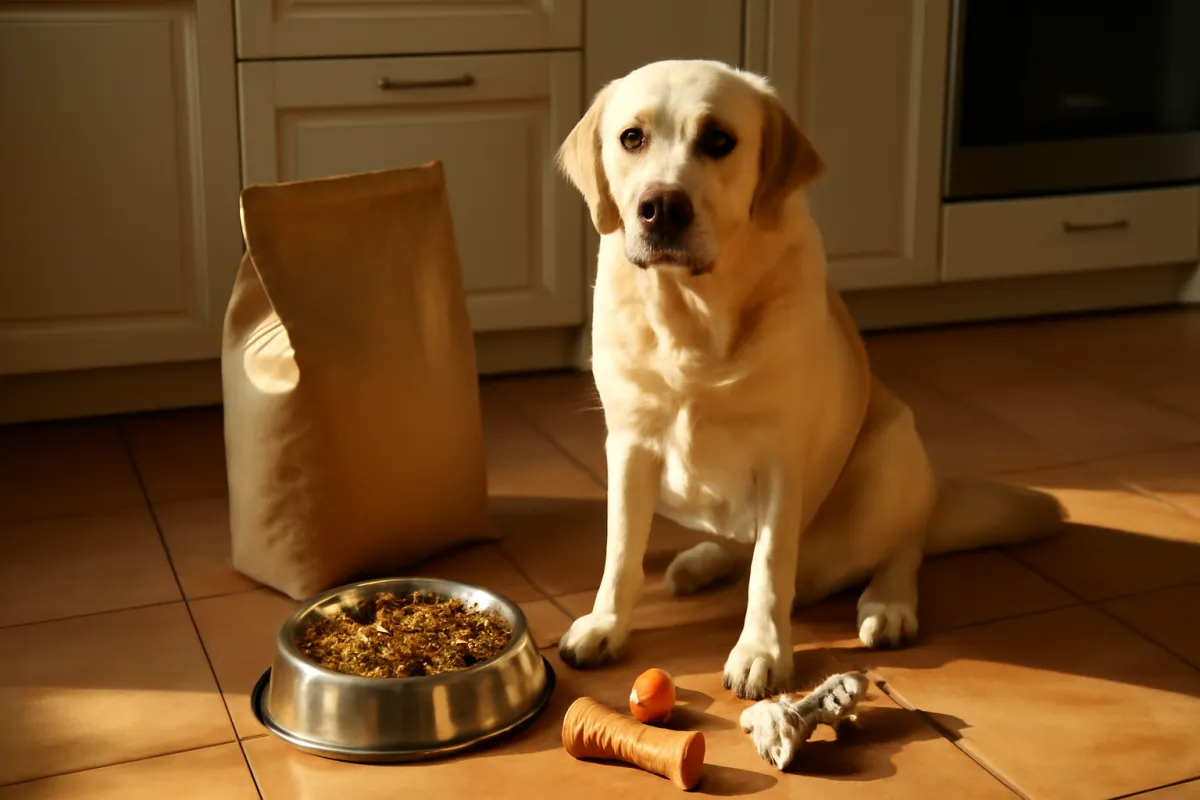
Sum it and a normal year runs an illustrative $2,200 to $3,800, sitting well above the small-and-medium-breed band our monthly cost of a dog read charts, almost entirely on size alone before any health event enters the picture. The senior stretch deserves a forward glance while budgeting the middle years, and it arrives sooner here than for most dogs on this site: joint support and cancer screening commonly become part of the conversation well before the age a small-breed owner would expect to hear it. Bank the difference while the dog is young and those earlier senior years arrive pre-paid.
Feeding a giant breed: why the bill is simply bigger
The food line is the clearest, most predictable place size shows up. A Bernese eats an illustrative $90 to $160 a month of quality large-or-giant-breed food, scaled to a dog that commonly weighs 70 to 115 pounds fully grown, several times a small breed’s food bill on the same quality tier. The requirement during puppyhood is specifically a large-breed puppy formula, controlled for calcium and growth rate to support joint development properly, which is not interchangeable with a standard puppy food, and is one of the few places in this breed’s budget where paying for the right product rather than the cheapest one is a genuine health decision, not just a preference.
Weight management matters here for the same reason it does in every giant breed: a joint system already carrying more cumulative load from sheer body weight has an easier time staying sound in a lean dog than an overweight one. A body condition check at every vet visit, free in money and a few seconds in time, is one of the cheapest, most effective things an owner of this breed can do for the joints this read discusses below.
Cancer and the breed’s shortened lifespan
This is the section the whole budget bends around, and it is worth being direct about it. The Bernese Mountain Dog is commonly discussed, across breed health surveys and club health initiatives, as having a shorter average lifespan than most dogs of any size, often cited somewhere in the range of seven to ten years, with cancer cited as a leading cause, including several specific types, histiocytic sarcoma among them, that breed health literature discusses in connection with this breed more than with dogs generally. That is a genuinely sobering fact for a breed known for its gentle devotion, and the honest response is planning, not alarm: not every Bernese develops cancer, and many live full, healthy lives into their senior years, but the documented tendency is real enough that a prospective owner deserves to hear it plainly before falling for the temperament.
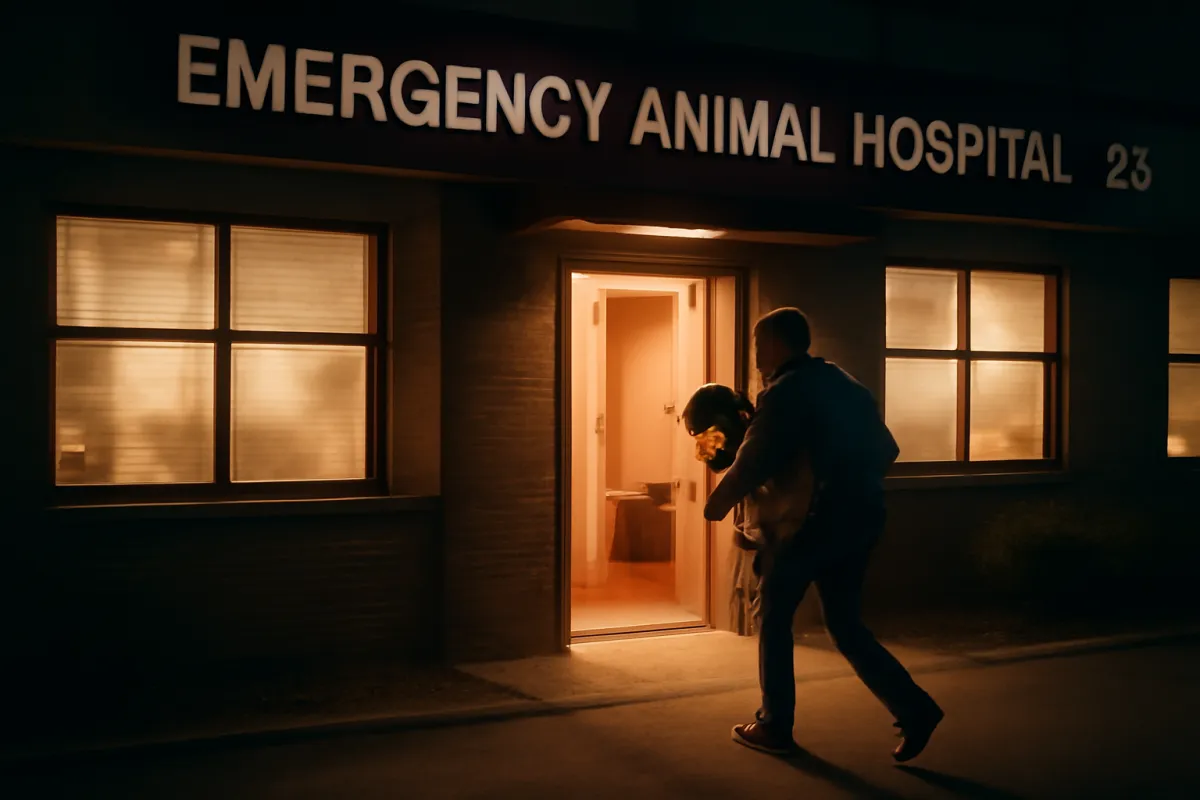
What a cancer diagnosis can cost in practice spans an unusually wide range, because the disease itself does. A localized, contained finding caught early and addressed with surgical removal alone can run an illustrative $500 to $2,500. A diagnosis needing oncology consultation, imaging, and a course of chemotherapy or radiation can run into the several thousand to $10,000 or more, and a family facing that range with no plan in place is making a medical decision under financial duress, which is exactly the scenario insurance bought years earlier exists to prevent. This is the single clearest argument for enrolling this breed in insurance while it is young and before anything has ever been found.
Joint health and bloat risk
Hip and elbow dysplasia, abnormal development of the hip or elbow joint, are common across giant breeds generally and are a real consideration in this one, which is exactly why screening the parents through a recognized evaluation program is the single highest-value question a buyer can ask. A dog that develops significant dysplasia may need anything from weight management and joint supplements on the conservative end to surgical correction on the more involved end, the latter commonly running into the low thousands per joint. Keeping the dog lean throughout life, as the feeding section above notes, is the cheapest and most effective protection available against both the onset and the progression of joint disease.
Bloat, more formally gastric dilatation-volvulus, is a life-threatening emergency in which the stomach fills with gas and can twist on itself, and deep-chested large and giant breeds, this one included, are at elevated risk for it compared with dogs generally. It requires immediate emergency surgery, commonly an illustrative $1,500 to $7,500 depending on complications, and it is not a condition that resolves on its own or waits for a morning appointment. Feeding smaller meals more frequently rather than one large meal, avoiding strenuous exercise immediately around mealtimes, and knowing the signs, a swollen abdomen, unproductive retching, and restlessness, are the free prevention; emergency veterinary care the moment any of those signs appears is the only treatment, and it is a condition every giant-breed owner should discuss proactively with their vet rather than learning about for the first time during an emergency.
The coat: shedding without the Saint Bernard’s drool
A Bernese carries a long, thick, weather-resistant double coat developed for the breed’s working history in the Swiss Alps, and it sheds substantially, with a heavier seasonal blowout a couple of times a year when the undercoat releases in real quantity. Weekly brushing is the realistic minimum most of the year, stepped up to near-daily during a seasonal shed, and the tools, a slicker brush and an undercoat rake, are inexpensive and last for years. Unlike some other giant breeds, this one is not a notably heavy drooler, which keeps one common giant-breed cleanup cost off the list.
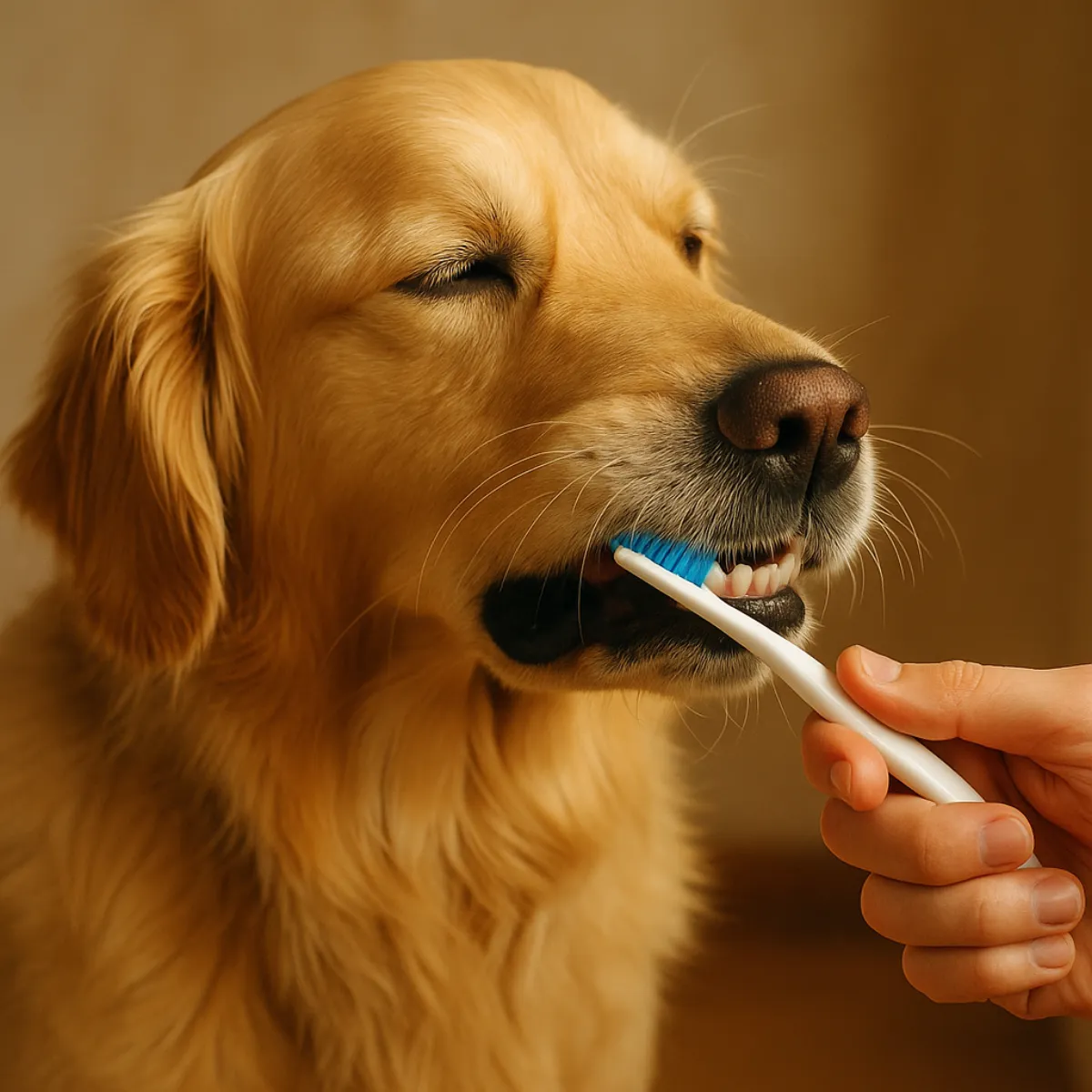
Most owners handle the routine brushing at home and book an occasional professional bath and nail trim, commonly an illustrative $300 to $600 across a year including seasonal de-shedding help if desired. The coat’s double layer also means this breed tolerates cold far better than heat, and households in warm climates should plan for shade, water, and avoiding midday exercise in summer as a free but genuinely important part of the care routine rather than an optional comfort.
Training and space for a true giant breed
A fully grown Bernese can weigh as much as, or more than, many adult humans, and that single fact changes the practical budget in ways separate from veterinary cost. Basic obedience training matters more here than in a small dog, not because the breed is difficult, temperamentally it is famously gentle and eager to please, but because an untrained giant dog pulling on a leash, jumping on guests, or counter-surfing is a genuinely different problem than the same behavior in a ten-pound dog. Group classes commonly run an illustrative $150 to $300 for a basic course, a modest cost against the alternative of managing an untrained giant breed for over a decade.
The other real cost is space and equipment sized for the dog: a crate built for an adult Bernese, a vehicle that can actually transport the dog comfortably, and furniture or flooring that holds up to genuine size and weight. None of this shows up as a single line item most owners budget for in advance, which is exactly why it belongs on the list before the puppy comes home rather than as a surprise during the first few months of rapid growth.
Pet insurance for a Bernese Mountain Dog
Assemble the risk picture, a commonly discussed and genuinely elevated cancer risk, real hip and elbow dysplasia risk shared across giant breeds, and bloat risk tied to the breed’s deep chest, and the Bernese makes one of the strongest insurance arguments of any breed on this site. The combination of a shortened lifespan and a real chance of an expensive diagnosis within it is precisely the scenario insurance exists to answer, more so than for a breed with a longer life and a milder health profile. Our is pet insurance worth it for dogs read frames the general bet this breed leans into harder than most.
Enrollment timing matters enormously. Any joint finding, heart murmur, or health concern noted on a record becomes a pre-existing exclusion almost everywhere, and given how much of this breed’s risk profile is genuinely unpredictable and discovered rather than inherited in an obvious way at birth, enrolling in puppyhood, while the dog is fully healthy and nothing has ever been found, is the only way to be certain coverage will be in place if cancer or bloat does eventually show up. Read the cancer, oncology, and emergency-surgery coverage language specifically before choosing a policy, per the checklist in our how to choose pet insurance read.
The self-funding alternative demands real discipline in this breed specifically, because the shortened lifespan means there are fewer years than usual to build a fund before the higher-risk stretch of life arrives. A household that commits early and keeps the fund genuinely untouched can make this work; a household that intends to start saving “eventually” is taking on real risk in a breed where eventually may not arrive before it is needed.
What Bernese Mountain Dog insurance costs
As illustrative figures, accident-and-illness coverage for a young Bernese commonly runs $45 to $85 a month, an illustrative $540 to $1,020 a year, pricing above most non-giant breeds because of both the larger claims a bigger dog’s treatment tends to generate and the breed’s specific cancer and bloat risk. Premiums climb further with age, and the usual levers, deductible, reimbursement percentage, and annual cap, trade monthly cost against claim-time cost in the standard way our pet insurance cost per month read dissects.
Bernese-specific shopping notes: confirm the cancer and oncology coverage terms in detail, since this is the single condition most likely to generate the largest claim this breed will ever file; check whether bloat and emergency surgery are covered without a breed-specific carve-out, since some insurers treat known breed risks differently; and look closely at the annual cap, since a true giant-breed cancer treatment can approach or exceed a lower annual limit within a single policy year. Weigh the premium against what it protects: an illustrative $65 a month is $780 a year, a fraction of what even a modest cancer workup and treatment plan can run.
The lifetime cost of a Bernese Mountain Dog
Run the layers across an illustrative seven-to-ten-year Bernese life, shorter than almost every other breed on this site, purchase at $2,900, a first year totaling $4,900, and eight settled years averaging $2,900 with the later years trending upward as joint or cancer monitoring becomes more likely, and the base case lands near $28,000. Shift the assumptions, a rescue adoption, sound hips and elbows, and no cancer diagnosis across a full ten-year life, and the total eases toward an illustrative $20,000; add a cancer diagnosis pursued with full treatment, a bloat emergency, or significant joint surgery, and it climbs toward $36,000 and past, sometimes concentrated into very few years if the dog’s life is cut short. That band, an illustrative $20,000 to $36,000 or more, is the honest window our lifetime cost of a dog read would predict for a giant breed with a shorter life and a real, well-documented cancer risk.
Where a Bernese Mountain Dog's lifetime cost goes
Representative split of an illustrative lifetime total into its main blocks, as shares of the whole. Illustrative, not dollars.
Food leads the pie purely on size, with health and cancer costs close behind, a combination few prospective owners price in before falling for the temperament and the coat. The insurance decision made in puppyhood shapes how much of that health slice becomes a bill rather than a reimbursement.
The composition is the clearest lesson a prospective Bernese owner can take from this read: size inflates the food line the way it inflates almost everything else, and the health slice sits close behind it for a reason specific to this breed rather than to dogs generally. Build your own version of the math in the calculator, and set the health scenario and lifespan honestly rather than optimistically.
How a Bernese compares to other giant breeds
On the giant-breed grid, the Bernese sits in a distinctive cell: heavy shedding without heavy drooling, a shorter-than-average lifespan, and a cancer risk that is unusually well documented for a single breed. Against our Saint Bernard cost read, another giant breed with its own shortened lifespan, the cost shapes rhyme closely, size-driven food and vet costs, an early senior stretch, and a strong insurance argument, though the specific health risk each breed is best known for differs: joint load and heat sensitivity loom larger for the Saint Bernard, cancer looms larger here. Against a working large breed like our German Shepherd cost read, the Bernese trades a longer average lifespan and lower drive-and-training cost for the cancer risk this read has spent several sections on.
The comparison worth taking seriously before buying is with your own household’s readiness for a dog this size, this much shed, and this specific a health conversation from day one. Owners who buy from screened parents, insure early, and go in with eyes open about the breed’s shortened average lifespan tend to describe the years they get with a Bernese as some of the most rewarding of any breed, precisely because they planned for the hard parts rather than discovering them. Our dog cost by breed read is the wider menu if this read’s specific trade-offs give you pause.
An illustrative year with a Bernese Mountain Dog
One settled year, worked through: a healthy four-year-old Bernese, 90 pounds, insured, average-cost area, no diagnosis on record. Food and treats: $120 a month, $1,440. Routine vet care, annual exam, vaccines, weight-dosed preventatives: $700. Grooming, home brushing plus an occasional professional bath: $420. Insurance, $65 a month: $780. Joint supplement and a monitoring exam: $280. Extras, a replacement harness, de-shedding tools, and a few toys: $140. Year total: an illustrative $3,760, on budget and uneventful.
The context around that year is the point. The year before, a routine senior wellness screen at the vet’s recommendation caught an early, localized growth that biopsy confirmed as benign, an illustrative $650 diagnostic episode that resolved with monitoring rather than treatment; insurance reimbursed most of it, and the scare became the moment the household finally read the policy’s oncology terms closely for the first time. That is the breed’s pattern in miniature: ordinary, size-driven years punctuated by the health conversation this breed is known for, with the financial outcome decided almost entirely by whether a plan was already in place when it arrived. Run your own year, and its shorter-than-usual run of siblings, through the calculator to see what the pattern totals for your situation.
How to keep Bernese Mountain Dog costs down
Every honest lever in this breed, ranked roughly by return:
- Buy from hip-, elbow-, and cardiac-screened parents, or adopt an assessed adult. The single highest-value decision available, worth more than any other line in this entire read.
- Insure in puppyhood, while the dog is fully healthy. Given how much of this breed’s biggest risk is discovered rather than obviously inherited, early enrollment is the only reliable way to be covered when it matters.
- Keep the dog lean for life. A joint system already carrying real weight has an easier time staying sound, and a careful eye on body condition is free.
- Feed a proper large-breed puppy formula during growth. It is one of the few places where paying for the right product is a genuine health decision.
- Learn the signs of bloat and discuss prevention with your vet before it is ever an emergency. Free, and it is the difference between acting in minutes and losing them.
- Brush through the seasonal shed rather than skipping it. A few minutes several times a week keeps the professional grooming bill near the bottom of its range.
- Shop the recurring lines yearly. Food, preventatives, and premiums all reprice at giant-breed volumes; our how to lower your vet bills read and medication savings read cover the safe trims.
The false economies mirror the list directly: a bargain puppy from unscreened parents, deferred insurance until after a diagnosis, ignoring early signs of bloat, and skipped joint care, all of which reprice a manageable cost into a much larger one. Cut prices, never prevention; in a breed with this shortened a lifespan, there is less time than usual to recover from a deferred decision.
Is a Bernese Mountain Dog worth the cost?
What the money buys is one of the most strikingly beautiful and reliably gentle giant breeds available: a dog famous for its calm, affectionate nature with children and its devoted temperament, suited to a household with the space and the budget to match its size. Run the numbers per year of companionship and a healthy Bernese, insured and well cared for, prices as one of the more expensive breeds on this site on a straight annual basis, an illustrative $2,200 to $3,800 in a settled year, a figure that reflects its sheer size rather than any extravagance.
What the money requires is a specific kind of honesty most buyers do not expect going in: accepting that this breed is commonly discussed as having a shorter life than most dogs its owner may have had before, planning financially for a real and well-documented cancer risk within that shorter life, and insuring or funding early enough that the plan is in place before it is ever tested. Owners who do that describe the years they get with this breed as deeply worth it, precisely because the hard conversation happened on their own terms rather than in an emergency room.
So the decision resolves the way every good breed decision does: not “is the dog worth it,” but “is your household the one that will actually buy from screened parents, insure early, and make peace with a shorter timeline than a small dog’s owner gets.” If yes, this is one of the most gentle, devoted giant breeds available, and the numbers above are the honest price of loving one responsibly. If no, the wider menu in our dog cost by breed read is worth a look first. Either way, run the calculator and decide with the numbers in hand.
The bottom line
A Bernese Mountain Dog costs an illustrative $2,000 to $3,800 to buy from a reputable breeder, a few hundred through rescue, an illustrative $2,200 to $3,800 in a settled year, and an illustrative $20,000 to $36,000 or more across a shorter-than-average seven-to-ten-year life. Size inflates almost every routine line; the budget’s deeper story is a commonly discussed, genuinely elevated cancer risk and a shortened lifespan that together make the insurance and breeder-screening decisions worth more here than in almost any other breed on this site.
The playbook: buy from hip-, elbow-, and cardiac-screened parents or adopt through a giant-breed-aware rescue, insure in puppyhood while the dog is fully healthy, keep the dog lean for life, learn the signs of bloat before you ever need them, and go in with your eyes open about the breed’s shortened average lifespan rather than discovering it later. Do that, and one of the most gentle, devoted giant breeds available becomes a manageable, well-planned line in the family budget, with the calculator standing by to turn this read’s illustrative ranges into your own numbers.
Straight talk from MuttMark before the tricolor coat and the gentle temperament win you over: this cost read is planning material, not veterinary, breeding, or financial advice, and it diagnoses nothing. Every dollar figure above, purchase tiers, cancer and joint cost ranges, insurance premiums, and annual and lifetime totals, is an illustrative estimate built for budgeting, and your actual costs will follow your region, your breeder or rescue, your insurer’s contract, your own choices, and most of all the individual dog, whose joints and health no article can examine. The breed’s shortened average lifespan and cancer risk are described honestly to support prepared, responsible ownership, not to alarm or to predict any specific dog’s future; whether a risk here applies to a specific Bernese, and what to do about any growth, limp, or sign of bloat, are calls for a veterinarian, ideally one experienced with giant breeds. Price everything locally and in writing, insure or save on purpose and early, and give every medical decision to the professional who can actually examine the dog.
Cost by breed size
Illustrative first-year cost by typical adult weight class: food, vet care, and starter gear all scale with size, which is the biggest single driver of lifetime cost between breeds.
Figures are illustrative first-year planning ranges, not a quote for any specific pet. Breed, region, and individual health all move the real number, so use the calculator above for your own estimate.
Frequently asked questions
How much does a Bernese Mountain Dog cost?
As an illustrative figure, a Bernese Mountain Dog puppy from a reputable breeder commonly runs somewhere around $2,000 to $3,800, with health-tested working or show lines pricing toward the top of that range. A casually bred or volume puppy is commonly advertised under $1,800, often from parents with no hip, elbow, or cardiac clearances. Rescue or adoption through a breed-specific rescue or a general shelter runs roughly $300 to $700, since giant breeds surrendered as adults are not uncommon once owners discover the full scale of the size and cost commitment. Treat every figure here as an illustrative planning range rather than a quote.
Why are Bernese Mountain Dogs so expensive?
Size and screening both push the price up. A responsible breeder working with a giant breed carries real costs most buyers never see: hip and elbow evaluation through a recognized screening program, cardiac clearance, and increasingly genetic testing for conditions discussed in the breed, all performed on parent dogs before a litter is even planned. Add the cost of raising a litter of large puppies, who eat and need veterinary attention at giant-breed rates from day one, and the price of a well-bred Bernese reflects a genuinely more expensive breeding process than a small dog's, on top of the demand the breed's striking tricolor coat and famously gentle temperament both generate.
How long do Bernese Mountain Dogs live, and does that change the cost math?
The breed is commonly discussed as having a shorter average lifespan than many dogs of any size, often cited somewhere in the range of seven to ten years, with cancer, including several types commonly discussed specifically in connection with this breed, cited as a leading concern. That shortened span changes the lifetime cost math in an important way: a high annual cost compressed into seven to ten years can land near, or even below, the lifetime total of a small dog living twice as long, even though the Bernese's yearly bill looks larger on paper. It also means the senior years, and the costs that commonly arrive with them, show up earlier than an owner used to a small or medium dog's timeline might expect.
What health problems make a Bernese Mountain Dog expensive?
Cancer is the condition most commonly discussed in connection with this breed's shortened lifespan, including histiocytic sarcoma and several other types cited in breed health surveys, and a cancer diagnosis can range from a manageable, contained finding to extensive, costly treatment running into the thousands of dollars. Hip and elbow dysplasia, common across giant breeds generally, are also a real consideration, along with bloat, a life-threatening stomach condition that deep-chested large dogs are at elevated risk for and that requires emergency surgery when it occurs. None of this is certain in any individual dog, and any specific concern belongs with a veterinarian familiar with giant-breed health.
How much should I budget per year for a Bernese Mountain Dog?
A settled adult year commonly runs an illustrative $2,200 to $3,800 once food, routine vet care, grooming, and an insurance premium or equivalent savings are added up, sitting well above a small or medium dog's budget almost entirely because of size. Food alone for a 70 to 115 pound adult runs several times what a small breed eats. Routine veterinary visits, medication doses, and even some grooming and boarding services are commonly priced by weight, which means nearly every line in a Bernese budget carries a real giant-breed premium on top of the dollar figure a smaller dog would show for the same service.
Is pet insurance worth it for a Bernese Mountain Dog?
Given the breed's commonly discussed cancer risk and shortened lifespan, this is one of the stronger insurance arguments on this site. Cancer treatment, when it is pursued, can run from a few hundred dollars for a straightforward removal to many thousands for more extensive diagnostics, surgery, and oncology care, and insurance bought while the dog is young and healthy is the only practical way most households can absorb that range if it arrives. Illustrative premiums commonly run $45 to $85 a month for accident and illness coverage, pricing above most non-giant breeds because of both size and the breed's health profile. A disciplined, well-funded savings account remains a legitimate alternative for a household that commits to building it early and keeps it genuinely untouched.
How much does a Bernese Mountain Dog cost over its lifetime?
Adding an illustrative purchase, first-year setup, and a seven-to-ten-year run of food, routine care, grooming, and health provisioning, a Bernese's lifetime total commonly lands somewhere around $20,000 to $36,000 or more, compressed into a shorter life than most dogs on this site. A healthy dog with sound hips and elbows and no cancer diagnosis sits toward the bottom; a dog that develops a joint condition needing treatment, or a cancer diagnosis pursued with full treatment, pushes the total toward the top and sometimes past it. Because the span is shorter, the annual figure looks large, but the lifetime total is not automatically larger than a long-lived small breed's.