

What's on this page
- The short answer: what declawing a cat costs and where it stands
- What a traditional surgical declaw costs
- Laser declaw: what the premium buys
- Is declawing a cat illegal? The current state-by-state picture
- What the laws actually ban, and what they do not
- Why this shift happened
- Nail caps: the most common day-to-day alternative
- Scratching posts, pads, and redirecting the behavior
- Regular nail trims: the cheapest ongoing habit
- Comparing the lifetime cost: declaw versus alternatives
- Regional variation: cost and law both move by zip code
- If you adopt a cat that is already declawed
- Common misconceptions worth clearing up
- A worked comparison: one household’s first three years
- Recovery and what it involves where the procedure remains legal
- Pet insurance and the cost of this decision
- Building the alternative routine into your cat budget
- What to ask before making this decision
- How insurance, legality, and alternatives fit together
- The bottom line
Short answer: Where still legally available, an illustrative surgical declaw runs $150 to $400 and a laser declaw runs $250 to $600, typically including anesthesia but not always every add-on fee. The bigger question for most owners in 2026 is not the price but the legality: New York, Maryland, Virginia, Massachusetts, Rhode Island, and California now ban non-therapeutic declawing statewide, Washington, D.C. has its own ban, and a growing list of individual cities restrict it even elsewhere. Nail caps, scratching posts, and regular trims are the humane alternatives most owners actually use.
The cost of declawing a cat used to be a straightforward, if uncomfortable, number: a one-time surgical fee at the vet’s office. In 2026 that question has a second, more important layer, because where you live increasingly decides whether the procedure is even an option at all. A wave of state and city laws passed over the past several years has turned “how much does it cost” into “is it even legal here,” and this read prices both questions honestly: the procedure cost where it remains available, the current legal landscape as best it can be stated given laws that keep changing, and the humane alternatives that most cat owners, in banned and unbanned places alike, now actually use.
This read prices the procedure itself, including the real difference between traditional and laser techniques, walks through the legal status by state as currently confirmed, and prices the alternatives, nail caps, scratching posts, and trims, that have become the mainstream approach almost everywhere regardless of local law. It sits alongside our cat adoption fees read, which mentions declawing restrictions as a common shelter contract clause, and our cat grooming cost read, which prices the routine nail-trim habit that is the cheapest alternative on this whole page. Put your own numbers into the cost calculator as you read, and talk through anything specific to your cat with a veterinarian, since nothing here is medical or legal advice.
Key takeaways
- Where still available, an illustrative surgical declaw runs $150 to $400, and a laser declaw runs $250 to $600, often with separate anesthesia and bloodwork fees on top.
- Six US states, New York, Maryland, Virginia, Massachusetts, Rhode Island, and California, now ban non-therapeutic declawing statewide, alongside Washington, D.C., and the list of individual city bans keeps growing.
- Nearly every law bans the elective version only; declawing for genuine medical necessity, such as a diseased toe, remains legal almost everywhere.
- Nail caps, regular trims, and sturdy scratching posts are the mainstream alternatives most owners now use, with their own real but far smaller recurring cost.
- Laws in this space continue to change. Confirm your own state and city's current rules before assuming either way. Every dollar figure here is illustrative, not a quote.
The short answer: what declawing a cat costs and where it stands
Where it remains legally available, an illustrative surgical declaw runs $150 to $400, and an illustrative laser declaw runs $250 to $600, with the laser technique pricing higher because of the additional equipment fee most clinics using it charge. Both figures commonly fold in anesthesia and basic pain relief, but pre-procedure bloodwork, a separate anesthesia line item, and a follow-up recovery exam can each add to the total at many clinics, so the headline number is rarely the full invoice.
The bigger story in 2026 is legal availability, not price. New York (2019), Maryland (2022), Virginia (2024), Massachusetts (2025), Rhode Island (2025), and California (effective January 1, 2026) now ban non-therapeutic declawing statewide, and Washington, D.C. enacted its own ban in 2023. A growing number of individual cities have passed local bans even in states without a statewide law, which means the honest first question for any owner considering this procedure is not “what does it cost” but “is it even legal where I live and where my cat lives,” and that answer can differ by city as well as by state.
That shape, a real but now-constrained procedure cost layered under a shifting legal map, is why this read spends real attention on both halves rather than treating this as a simple price page. The calculator below turns the procedure cost and the alternative costs into your own comparison, whichever option your location and your own judgment point toward.
What a traditional surgical declaw costs
A traditional surgical declaw removes the claw along with the last bone of each toe, using a scalpel or a specialized clipper-style instrument, and is performed under general anesthesia, typically on the front paws only since that is where most problem scratching originates. As an illustrative figure, the base procedure fee commonly runs $150 to $400, and many clinics bundle anesthesia and a basic pain management protocol into that figure, though it is worth confirming exactly what is included before assuming a quoted number is the whole bill.
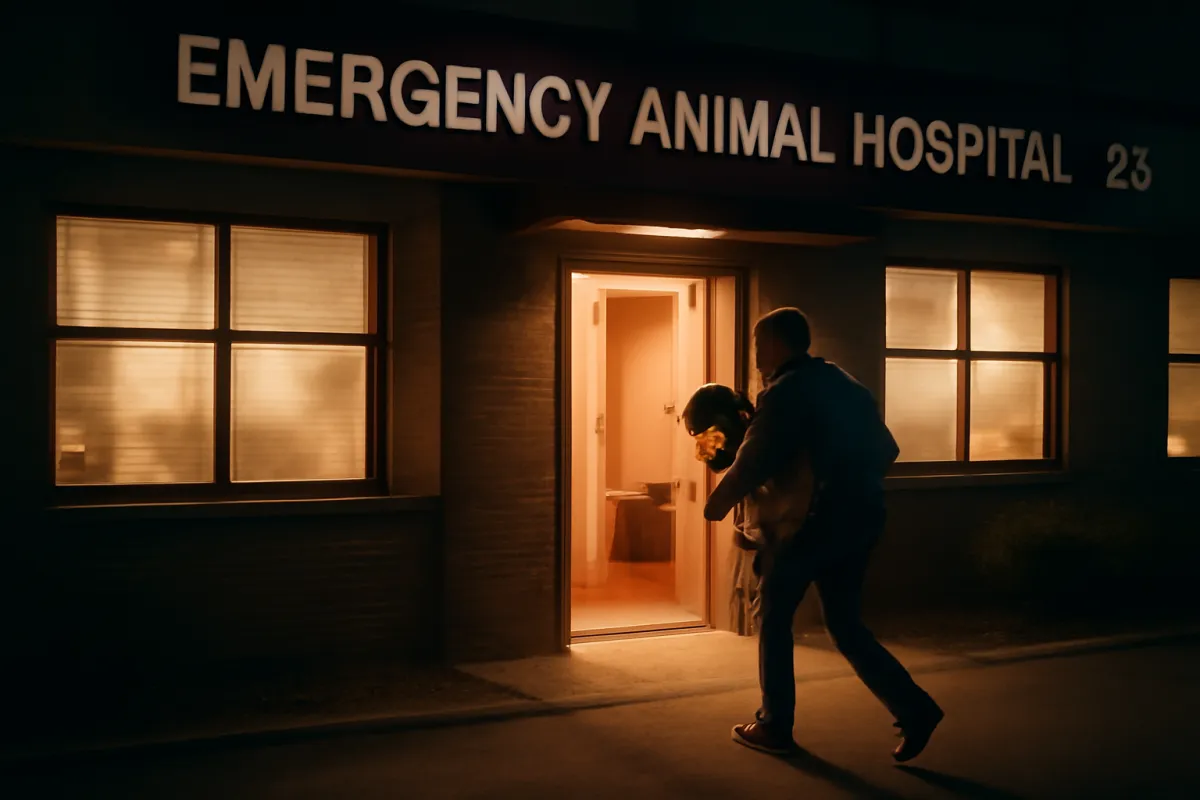
What commonly sits outside the base fee: pre-anesthetic bloodwork, recommended for most cats and essentially standard for an older or higher-risk cat, an illustrative $50 to $150; a separate anesthesia monitoring fee at some clinics rather than a bundled one; pain medication to take home, typically a modest add-on; and a follow-up recovery check, sometimes included and sometimes billed separately. Asking for a single, fully itemized quote covering every one of these before booking is the single most useful thing an owner can do to avoid a surprise total.
Laser declaw: what the premium buys
A laser declaw uses a surgical laser instead of a blade to remove the same bone and claw structure, and clinics that offer it commonly charge more for it, an illustrative $250 to $600, reflecting the cost of the laser equipment itself rather than a fundamentally different scope of surgery. The commonly cited advantages are less bleeding during the procedure and, some veterinary sources suggest, somewhat less post-operative discomfort for some cats, though the underlying procedure, removing the last bone of each toe, is the same regardless of the tool used to do it.
Whether the laser premium is worth paying is a conversation for a veterinarian who can speak to their own clinic’s experience and your specific cat’s situation, not something a cost article can settle in the abstract. What is worth knowing plainly: the choice between a blade and a laser changes the tool and the price, not the fundamental nature of the surgery, which is why both techniques are treated identically under every law discussed in the next section.
Is declawing a cat illegal? The current state-by-state picture
This is the section worth reading most carefully, because the legal picture has shifted substantially in recent years and continues to change. As of this writing, six US states ban non-therapeutic, elective cat declawing statewide: New York, the first state to do so, in 2019; Maryland, in 2022; Virginia, in 2024; and Massachusetts and Rhode Island, both in 2025. California’s statewide ban, under state legislation known as AB 867, took effect January 1, 2026, prohibiting veterinarians from declawing a cat unless the procedure is medically necessary for that cat’s own health. Washington, D.C. enacted its own ban in 2023, separate from any state law since it is not itself a state.

On top of the state list, a separate and growing layer of individual city bans exists even in states with no statewide law, including bans in specific major cities that predate or sit alongside the state-level wave. That layering matters in practice: a state allowing the procedure does not guarantee your specific city does, and a state with no ban at all may still have a city ordinance that does. The honest, verifiable framing here is not a single settled national count, different trackers report the total differently because of overlapping effective dates and the state-versus-city distinction, but rather the specific confirmed dates above plus the fact that the list keeps growing. If you are weighing this procedure, confirming your own state’s and your own city’s current rule directly, rather than relying on a general sense of where things stand, is worth the ten minutes it takes.
What the laws actually ban, and what they do not
Every ban discussed above targets the elective, non-therapeutic version of the procedure, done purely to prevent scratching damage with no underlying medical problem in the cat’s paw. What remains legal essentially everywhere, including in every state with a ban, is declawing performed for genuine medical necessity: removing a toe because of a tumor, a severe fracture that cannot otherwise be repaired, a chronic infection that has not responded to other treatment, or a similar condition where the toe itself, not the behavior of scratching, is the problem being treated. California’s law states this exception explicitly, and the other state bans follow the same basic structure.
This distinction is why the framing matters more than the raw fact of a ban. The laws are not saying a cat’s paw can never be surgically treated; they are saying the decision to remove a healthy toe purely to stop scratching, a choice veterinary professional guidance has increasingly discouraged as a convenience procedure in recent years, is no longer something a veterinarian in these jurisdictions is permitted to perform. A veterinarian in a banned state can still, and does still, treat an actually injured or diseased toe the way any other medical problem would be treated.
Why this shift happened
The policy reasoning behind this wave of laws, as described by the lawmakers and animal welfare organizations that pushed for them, centers on what the procedure actually removes. A cat declaw is not comparable to trimming a human fingernail; it removes the claw together with the last bone of the toe, a distinction that surprises many owners who assume the word describes something closer to a manicure. That anatomical reality, combined with an available set of non-surgical alternatives that address the same underlying scratching behavior, is the core argument lawmakers in these states and cities have made for restricting an elective version of the procedure.
It is worth being precise about the limits of what can be said here responsibly: this read is not taking a position on the ethics of the procedure, and it will not state a specific national count of banned jurisdictions as a single settled number, since trackers disagree on exactly how to count overlapping state and city bans with different effective dates. What can be stated plainly is the list of confirmed statewide bans and their dates above, the fact that the list has grown steadily rather than shrinking, and the fact that veterinary professional guidance has moved in the same direction as the laws, discouraging the procedure as a routine convenience option even in places where it remains legal to perform.
Nail caps: the most common day-to-day alternative
Soft nail caps, small vinyl or silicone covers glued over each claw after a trim, blunt the tip of the claw without removing anything, and they have become one of the most widely used alternatives to declawing. As an illustrative figure, a multi-month supply of caps costs $10 to $20, but because a cat’s claw keeps growing underneath the cap and the cap itself sheds as the claw grows, they need reapplying roughly every four to six weeks, which works out to an illustrative $60 to $150 a year if an owner applies them at home, or somewhat more if a groomer or vet tech does the application at each visit.
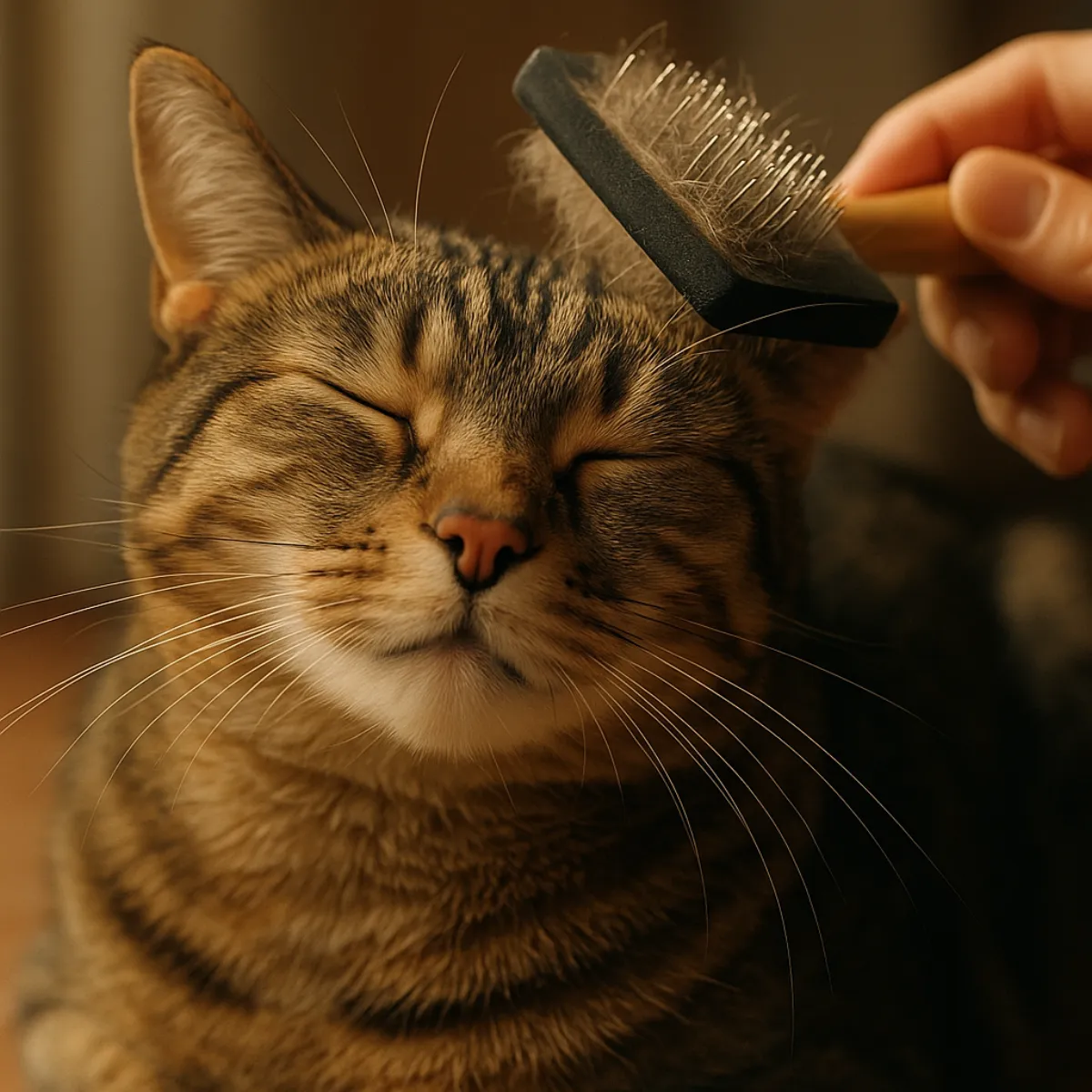
Most cats tolerate nail caps well once the trim-and-apply routine becomes familiar, and many owners find the main cost is less the caps themselves than the time required to reapply them on schedule, since a cap that has fallen off no longer protects anything. A cat that resists having its paws handled at all is the one case where nail caps genuinely struggle as a solution, which is exactly where the training and desensitization approach below becomes the more important half of the alternative.
Scratching posts, pads, and redirecting the behavior
A sturdy scratching post or pad placed where a cat already wants to scratch, near a favorite resting spot or a well-trafficked doorway, is a one-time purchase commonly running an illustrative $25 to $80, occasionally replaced over a cat’s life as it wears out. The behavioral logic matters as much as the object itself: a cat scratches to maintain its claws, to mark territory through scent glands in the paws, and to stretch, and a post that is tall enough for a full stretch, stable enough not to wobble, and covered in a texture the cat actually likes, often sisal rope or rough cardboard, redirects that instinct rather than fighting it.

Positive reinforcement, a treat or praise the moment a cat scratches the post rather than the furniture, and simply placing posts near the furniture a cat has already chosen, speeds up the redirect considerably. None of this costs more than the post itself and a little patience, which is exactly why it sits at the top of the cost-effectiveness list among every alternative this read prices.
Regular nail trims: the cheapest ongoing habit
The most basic alternative of all is simply trimming the claws regularly, which blunts the sharp tip without covering it and needs repeating roughly every two to three weeks. An owner comfortable handling their cat’s paws can do this at home for the cost of a pair of cat nail clippers, a one-time purchase of an illustrative $8 to $15. An owner who prefers to outsource it can book a trim at most vet clinics or groomers for an illustrative $10 to $25 a visit, which our cat grooming cost read prices in more detail alongside the rest of a routine grooming budget.
Trimming alone does not stop a cat from wanting to scratch, since scratching serves purposes beyond simple claw length, but it meaningfully reduces the damage a scratch can do to furniture or skin, and it pairs naturally with a scratching post and, for some households, nail caps on top. Most owners who have moved away from considering declawing land on some combination of these three tools rather than relying on any single one alone.
Comparing the lifetime cost: declaw versus alternatives
Run the honest math and an interesting pattern emerges. A one-time surgical declaw, illustratively $150 to $400 where it remains legal, is a single payment. Nail caps and scratching posts, by contrast, are a recurring cost across the cat’s entire life, illustratively $60 to $150 a year for caps alone plus an occasional post replacement, which over a cat’s typical twelve-to-sixteen-year lifespan can add up to more in total dollars than the one-time surgical fee.
Illustrative first-year cost: declaw versus the main alternatives
Representative first-year cost for each approach. Illustrative; declaw availability depends entirely on your state and city.
A surgical declaw is the larger single payment, but nail caps and trims recur every year the cat is alive, which can equal or exceed it over a full lifetime. The honest comparison is per-year cost over 12 to 16 years, not a single sticker price.
That arithmetic is exactly why cost alone has never been the deciding factor for most owners, and it is also why the growing legal restriction has not simply pushed cost-conscious owners toward a cheaper surgical option, because the alternatives were never meaningfully cheaper over a cat’s full life. The honest financial takeaway is that this decision was always more about surgical risk, recovery, and increasingly legality than about which option saves money, since over a lifetime the dollar totals land closer together than the one-time sticker prices suggest.
Regional variation: cost and law both move by zip code
Two layers of this question vary by location, and it is worth separating them clearly. The procedure cost, where it remains legal, moves the way most veterinary pricing does: a clinic in a high cost-of-living metro area commonly charges toward the top of the illustrative ranges above, while a clinic in a lower cost-of-living region charges toward the bottom, and the gap between the cheapest and most expensive quote for the same procedure in the same country can easily be a hundred dollars or more. This is the ordinary regional spread this site’s other cost reads document for nearly every veterinary service.
The legal status, by contrast, is not a smooth gradient the way price is. It is a hard line: either your state has passed a ban or it has not, and either your specific city has passed its own additional ban or it has not, regardless of how the next town or the next state over has decided. An owner near a state border, or one who splits time between two residences in different states, should check both locations specifically rather than assuming the rule that applies at home travels with them. A veterinarian licensed in one state is bound by that state’s law regardless of where the cat normally lives, which matters for anyone considering travel specifically to access the procedure in a state where it remains legal.
If you adopt a cat that is already declawed
A meaningful share of cats available through shelters and rescues, particularly older cats surrendered by a previous owner, arrive already declawed from a time or a place where the procedure was legal and common. This is a different situation from deciding whether to declaw a cat yourself, and it carries its own practical considerations rather than the cost-and-legality decision this read otherwise focuses on.
A cat without claws on its front paws typically needs to stay strictly indoors, since it has lost its primary defense and climbing tool, a consideration any adopter of an already-declawed cat should treat as non-negotiable rather than optional. Some already-declawed cats show a preference for softer litter textures, and some shelters or previous owners report behavioral sensitivities around paw handling that are worth asking about directly during the adoption process. None of this changes the cost structure of ownership in a major way, but it is worth knowing before bringing home a cat whose paws have already been altered, and our cat adoption fees read covers the adoption-contract side of this same topic, including the declawing clause many shelters now include regardless of local law.
Common misconceptions worth clearing up
A few points of confusion come up often enough to address directly. “Declawing is like a manicure” is the most consequential misconception, since the procedure removes the last bone of each toe along with the claw, a materially bigger surgery than the word suggests to most first-time owners, which is a major part of why veterinary guidance and the laws discussed above have shifted the way they have. “My state allows it, so I am fine” ignores the separate, growing layer of city-level bans that can apply even where no state law exists, which this read has flagged specifically because it trips people up. And “alternatives do not really work” undersells what a consistent combination of a well-placed post, regular trims, and nail caps where needed actually achieves for the large majority of cats, especially when introduced early rather than after a destructive habit is already established.
One more worth stating plainly: a ban on elective declawing is not a ban on treating an injured or diseased toe. Every state law discussed in this read preserves that medical pathway, so a cat with a genuine toe-level medical problem is never left without a legal treatment option, in any of the states that have passed these laws.
A worked comparison: one household’s first three years
To make the numbers concrete, consider one household with a single adult cat, weighing whether to pursue a surgical declaw where it happens to still be legal in their state, against building the alternative routine instead. The declaw path: a surgical procedure at an illustrative $280 including the add-on fees discussed earlier, a one-time cost with no further recurring spend tied to claw management afterward beyond ordinary grooming. The alternative path: a $45 scratching post in month one, nail caps applied at home starting in month two at an illustrative $110 a year, and occasional professional trims at $15 a visit a few times a year for the caps-and-trim gaps, totaling an illustrative $140 to $160 a year.
Illustrative three-year cost: declaw versus the alternative routine
Cumulative cost over three years for one cat under each path. Illustrative; declaw availability depends entirely on your state and city.
By year three the two paths land close to the same cumulative total, and every year after that the alternative path keeps accumulating while the declaw path adds nothing further. Extend the comparison to a cat's full twelve-to-sixteen-year life and the alternative routine commonly costs more in total dollars, which is why cost has rarely been the deciding factor for most owners weighing this choice.
The crossover point in this illustrative example lands somewhere in year three to four, after which the alternative routine’s cumulative cost overtakes the one-time surgical fee and keeps climbing for the rest of the cat’s life. Run your own cat’s numbers, your own region’s prices, and your own state’s current legal status through the calculator to see where your household lands.
Recovery and what it involves where the procedure remains legal
Where declawing remains legally available and a veterinarian and owner together decide to proceed, recovery commonly involves one to two days of hospitalization or close monitoring immediately after surgery, pain management for roughly a week to ten days, and switching the litter box to a paper-based or other soft, non-granular litter while the paw pads heal, since standard clay or clumping litter can irritate a fresh surgical site. Jumping, rough play, and scratching on hard surfaces are typically restricted during the same window.
Most cats are reported to return to ordinary daily activity within one to two weeks, though exactly how an individual cat experiences recovery, and whether any longer-term change in behavior or comfort follows, varies and is a question for the veterinarian who performed the procedure and examined that specific cat, not something this read can generalize. Anyone considering the procedure where it remains legal should ask their own vet directly about recovery expectations, home-care specifics, and signs that would warrant an urgent recheck, rather than relying on a general description from any article.
Pet insurance and the cost of this decision
Pet insurance generally treats elective declawing the way it treats any purely cosmetic or convenience procedure: excluded from coverage, the same way routine nail trims and elective grooming are excluded almost everywhere. A declaw performed for genuine medical necessity, removing a diseased or severely injured toe, sits in a different category and can potentially be covered as a medically necessary surgery under a policy’s ordinary terms, subject to the same deductible and reimbursement structure any other covered procedure would carry.
The practical upshot is that whichever path an owner chooses, elective declaw where legal, or the alternatives this read has priced, insurance is unlikely to offset the cost either way for the purely elective version, which makes the direct comparison between a one-time surgical fee and the recurring cost of caps, posts, and trims the real financial decision to make, separate from any insurance consideration. Our how to choose pet insurance read covers what elective-procedure exclusions typically look like in a policy if you want to check your own coverage before deciding anything.
Building the alternative routine into your cat budget
For most owners today, whether by choice or because local law has removed the elective option, the realistic plan is some combination of regular trims, a well-placed scratching post, and nail caps for a cat that scratches destructively despite the post. Introducing all three early, ideally in kittenhood before any destructive scratching habit becomes established, is meaningfully easier than retraining an adult cat whose favorite scratching spot is already the sofa arm. Positive reinforcement, placing posts exactly where the cat already scratches, and patient, calm paw handling from a young age are the free parts of this plan that make the paid parts work better.
Where this fits your wider cat budget is a small but real line: an illustrative $60 to $150 a year for nail caps if used, a nearly negligible ongoing cost for trims and the occasional replacement post, against the single larger payment a surgical declaw represents where it remains available. Our how to budget for a cat read places this line inside the fuller picture of a new cat’s first-year and ongoing costs.
What to ask before making this decision
Whatever path you are weighing, a short, specific list of questions is worth taking to a veterinarian rather than deciding from a general read of the internet. Ask directly: is elective declawing even legal in my state and my specific city right now, since the answer can differ at each level and changes over time. Ask what your specific cat’s temperament, age, and paw-handling tolerance suggest about how well nail caps or a training-based approach is likely to work, since a cat already comfortable having its paws handled is a very different case than one that is not. And if a toe-level medical problem is the actual reason surgery is on the table, ask what the medically necessary pathway looks like, since that conversation is a genuinely different one from an elective cosmetic decision and deserves to be treated as such.
How insurance, legality, and alternatives fit together
It helps to see all three threads of this read as one decision rather than three separate ones. Legality sets the outer boundary: in six states, Washington, D.C., and a growing number of cities, the elective procedure is simply not an option regardless of budget, which makes the rest of the decision moot for owners in those places. Insurance rarely changes the math either way, since the elective version is excluded from coverage almost everywhere it remains legal, and a medically necessary toe removal is priced and covered like any other surgery rather than like a declaw decision. Cost, the piece most owners expect to be the deciding factor, turns out to be closer between the two paths than the sticker prices suggest once the alternative routine’s lifetime total is counted honestly, which is exactly why this read has spent as much space on the comparison as on either number alone.
Put together, the practical decision tree for most owners in 2026 looks less like “which is cheaper” and more like “is this even legal here, and if it is, am I confident the behavior cannot be managed another way first.” For the growing share of the country where the answer to the first question is now no, the alternatives this read prices are not a fallback, they are simply the plan, and a large and growing number of owners in places where declawing remains legal choose them anyway for the same underlying reasons the laws cite.
The bottom line
Where it remains legal, declawing a cat costs an illustrative $150 to $400 for a traditional surgical procedure or $250 to $600 for a laser version, often with separate fees for bloodwork, anesthesia monitoring, and a follow-up check. The more consequential number for most owners in 2026 is not the price but the map: six states and Washington, D.C. now ban the elective version outright, a growing list of individual cities restrict it further, and genuine medical necessity remains the one carve-out that stays legal essentially everywhere. Nail caps, scratching posts, and regular trims, together running a modest but real recurring cost, have become the mainstream alternative almost everywhere, banned or not.
The honest playbook: confirm your own state’s and city’s current legal status directly rather than assuming, introduce a scratching post and a trimming routine from kittenhood if you can, add nail caps if destructive scratching persists despite the post, and take any genuine medical question about an injured or diseased toe to a veterinarian as its own separate conversation. Run the numbers in the calculator to see how the one-time and the recurring paths compare for your own situation and your own cat.
Straight talk from MuttMark on a topic that is equal parts cost question and legal question: this read is planning and informational material, not veterinary or legal advice, and it does not take a position on the ethics of any choice an owner makes within the law. Every dollar figure above is an illustrative planning range, not a quote, and the legal information above reflects the clearest confirmation available as of this writing from named news and veterinary-policy sources; laws in this area have changed substantially in recent years and will likely keep changing, so confirm the current rule in your own state and city directly rather than relying on any article, including this one. Any decision involving a specific cat’s health, a specific toe injury, or a genuine medical necessity question belongs with a veterinarian who has examined that cat, and any question about what is currently legal where you live belongs with your own state or local authority rather than a general web search.
Frequently asked questions
How much does it cost to declaw a cat?
Where the procedure is still legally available, an illustrative planning range for a traditional surgical declaw commonly runs $150 to $400, and a laser declaw commonly runs higher, an illustrative $250 to $600, with the gap reflecting the additional laser equipment fee most clinics charge. Both figures commonly include anesthesia and basic pain management, but a separate anesthesia fee, pre-procedure bloodwork, and a follow-up recovery check can each add to the total, so ask for a full itemized quote rather than assuming the headline number is the whole bill. These are illustrative planning figures, not quotes, and availability itself now varies sharply by location, which the sections below explain.
Is declawing a cat illegal?
It depends entirely on where you live, and the answer has changed significantly in recent years. As of this writing, New York was the first US state to ban non-therapeutic cat declawing, in 2019, followed by Maryland in 2022 and Virginia in 2024, with Massachusetts and Rhode Island both passing bans in 2025 and California's statewide ban taking effect January 1, 2026. Washington, D.C. enacted its own ban in 2023. On top of state-level bans, a growing number of individual cities have passed their own local bans even in states with no statewide law, so a state allowing the procedure does not necessarily mean your specific city does. Laws continue to change, so confirm the current status in your own state and city before assuming either way.
Why have so many places banned cat declawing?
The procedure removes not just the claw but the last bone of each toe, which is a more invasive amputation than the word declaw suggests to most people, and veterinary professional guidance has increasingly discouraged performing it as a purely elective, convenience procedure in recent years. Lawmakers in the states and cities that have passed bans have generally framed the procedure as an unnecessary amputation for a behavior, scratching, that has effective non-surgical management options. Most of the laws that exist make an explicit exception for genuine medical necessity, such as removing a diseased or severely injured toe, which remains legal essentially everywhere even where elective declawing is banned.
What are the alternatives to declawing a cat?
The mainstream alternatives are regular nail trims, which most owners can learn to do at home or pay a vet or groomer to handle every few weeks; soft nail caps, small vinyl covers glued over each trimmed claw and replaced roughly every four to six weeks; sturdy scratching posts and pads placed where the cat already wants to scratch; and basic training to redirect scratching onto those approved surfaces using positive reinforcement. Used together, these approaches address the same underlying need, a cat's instinct to scratch for claw maintenance, marking, and stretching, without surgery, and they commonly cost far less per year than a one-time declaw procedure once nail caps or professional trims are added up.
How much do nail caps cost compared to declawing?
As an illustrative figure, a set of nail caps costs very little upfront, commonly $10 to $20 for a multi-month supply, but they need replacing roughly every four to six weeks as the claw grows and the cap sheds, which works out to an illustrative $60 to $150 a year if you apply them yourself, or more if you pay a groomer or vet tech to apply them each time. A sturdy scratching post is a one-time purchase commonly in the $25 to $80 range, occasionally replaced over the cat's life. Added together across a cat's lifetime, nail caps and scratching posts can cost more in total than a single one-time declaw procedure where it remains legal, but they carry no surgical risk and no recovery period, which is the trade-off most owners and an increasing number of lawmakers have decided is worth it.
Does pet insurance cover declawing?
Generally no. Elective declawing is typically classed as a cosmetic or convenience procedure rather than a medically necessary one, and most pet insurance policies specifically exclude elective and cosmetic procedures from coverage, the same way they exclude routine nail trims. A declaw performed for genuine medical necessity, such as removing a toe because of disease or injury, is a different category and may be covered the way any other medically necessary surgery would be, subject to the policy's normal terms. Confirm the specific exclusion language with your insurer rather than assuming either way, and check this site's own guide on choosing pet insurance for what else to check before buying a policy.
What does recovery from a cat declaw look like?
Where the procedure is performed, recovery commonly involves a day or two of hospitalization or close monitoring, pain management for about a week to ten days, switching the litter box to a paper-based or soft litter rather than standard clay or clumping litter while the paws heal, and limiting jumping and rough play during that window. Most cats are reported to be back to normal activity within one to two weeks, though how a given cat experiences the recovery, and any longer-term behavioral effect, is a conversation for a veterinarian who has examined that specific cat, not something this read can predict.