
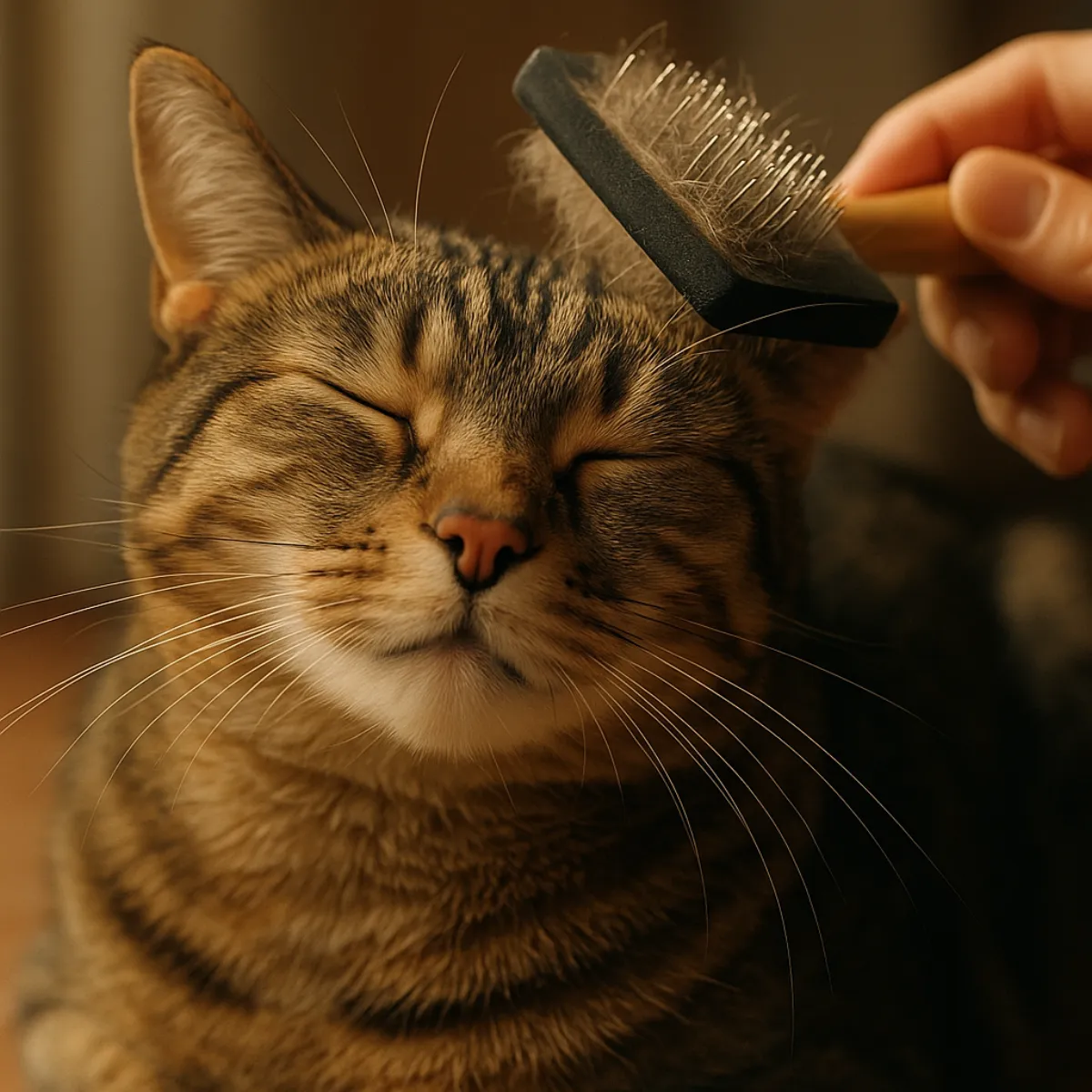
What's on this page
- The short answer: what cat grooming costs
- Does your cat actually need professional grooming?
- Cat grooming cost by service
- What a full groom includes
- Nail trims, ear cleaning, and add-on services
- Coat length: the biggest price lever
- Matting and why it costs more to fix than prevent
- Temperament and handling difficulty
- Where you live and how much it moves the price
- Cat breeds that need the most, and the least, grooming
- Tipping a cat groomer
- A worked comparison: two real cats, one year
- Mobile grooming versus a salon or vet clinic
- DIY grooming at home
- Senior and overweight cats: grooming as a welfare need
- Preparing your cat for a grooming visit
- How often your cat needs grooming
- An illustrative year of cat grooming
- Multiple cats: does grooming get cheaper per cat
- How to save on cat grooming
- When grooming needs a vet instead of a groomer
- How grooming fits your bigger cat budget
- The bottom line
Short answer: A basic bath-only visit commonly runs an illustrative $35 to $60, and a full groom runs $50 to $90 for a short-haired cat and $70 to $120 for a long-haired cat. A severely matted coat needing a full shave, a lion cut, commonly runs $80 to $150 and sometimes needs veterinary sedation on top. Most short-haired cats never need any of this at all.
Cat grooming cost is one of the more misunderstood lines in a pet budget, because the honest first answer for most cats is zero. A cat’s tongue, flexible spine, and lifelong self-grooming instinct do most of the job a dog needs professional help with, which is why this read opens with the uncomfortable truth that a meaningful share of the market exists to fix a problem, matting, mostly, rather than to provide routine maintenance most cats actually need. For the cats and the households where professional grooming genuinely earns its keep, this read prices it honestly.
This cost read prices the services themselves, who actually needs them and who does not, the coat-length divide that drives most of the price difference, and the lion cut that shows up when matting has already won. It sits alongside our dog grooming cost read, which prices the equivalent, far more universally needed, service for dogs, and our how much to tip a dog groomer read, whose tipping etiquette applies equally on the cat side. Put your own numbers into the cost calculator as you read.
Key takeaways
- A full groom commonly runs an illustrative $50 to $90 for a short-haired cat and $70 to $120 for a long-haired cat; a basic bath alone runs $35 to $60.
- Most healthy short-haired cats never need professional grooming at all, since self-grooming plus a weekly home brush covers it.
- Long-haired breeds are the real market for this service, because their coats mat if not brushed almost daily.
- A lion cut for severe matting commonly runs $80 to $150, and sedation, when needed, adds a separate veterinary charge on top.
- Cat grooming costs more than similarly sized dog grooming mainly because handling a cat safely is a harder, more specialized skill.
The short answer: what cat grooming costs
For the cats that benefit from it, a basic bath-only visit commonly runs an illustrative $35 to $60. A full groom, bath, brushing, a sanitary trim, nail clipping, and ear cleaning, commonly runs $50 to $90 for a short-haired cat and $70 to $120 for a long-haired cat, with the coat doing most of the work of that gap. A lion cut, a near-full shave typically used on a severely matted coat, commonly runs $80 to $150, and when the cat needs sedation to tolerate the process safely, that adds an illustrative $100 to $300 more, billed separately by a veterinarian.
Those numbers answer “what does it cost,” but the more useful question for most cat owners is “does my cat need this at all.” The short answer: a healthy, short-haired adult cat almost certainly does not, beyond nail trims and the occasional bath. A long-haired cat, a senior cat, an overweight cat who can no longer reach its own back, or any cat already matted almost certainly does. The rest of this read separates those cases and prices each honestly.
Does your cat actually need professional grooming?
This is the question worth answering before any of the pricing below, because it changes the number from a real budget line to zero for a large share of cats. A cat’s barbed tongue and flexible body evolved specifically for self-grooming, and a healthy short-haired adult cat typically keeps itself clean, mat-free, and reasonably shiny with no outside help beyond the owner’s own weekly brush, which removes loose hair before the cat swallows it and helps control shedding around the house.

Professional grooming earns its cost in four fairly specific situations: a long-haired breed whose coat mats without near-daily brushing, a senior cat whose joints or arthritis make reaching its own hindquarters and back genuinely difficult, an overweight cat with the same physical limitation regardless of age, and any cat already matted or shedding heavily enough to cause skin irritation. Outside those situations, spending on professional grooming is optional rather than necessary, and this read’s savings section leans on that fact directly.
A fifth, smaller case worth naming: some owners book an occasional professional groom purely for convenience or peace of mind even when their cat does not strictly need it, the same way some people get a car detailed that was never actually dirty. That is a reasonable personal choice and nothing in this read argues against it, but it is worth knowing it is a preference rather than a requirement, so the spending decision is made on purpose rather than out of an assumption that every cat needs what every dog needs.
Cat grooming cost by service
The chart below puts representative per-visit prices for the common services on one scale, from a standalone nail trim to a full shave-down.
Illustrative cat grooming cost by service
Representative per-visit rate for one adult cat. Illustrative planning figures, not quotes.
Coat length and matting severity, not the cat's size, are what move this chart. A well-maintained long coat costs less than a neglected short one that has somehow still matted under the legs.
Reading this chart as a menu to climb would miss the point of the whole read: the goal for most cats is to stay on the cheapest rungs by preventing the conditions that push a cat toward a lion cut, not to normalize paying for the most expensive service available.
What a full groom includes
A standard full groom typically bundles a bath with a cat-safe shampoo, thorough towel or low-noise dryer drying, a full brush-out to remove loose undercoat, a sanitary trim around the hindquarters, nail clipping, and ear cleaning. Some groomers add a light de-shedding treatment as part of the standard package rather than as a separate add-on, which is worth asking about since it changes whether the de-shedding line below applies on top of the base price or is already included.
The sanitary trim deserves a specific mention, because it is one of the few genuinely practical, non-cosmetic services on this list: trimming the fur around the hindquarters keeps a long-haired cat from trailing litter or fecal matter, which is both unpleasant and a real hygiene issue. For a long-haired cat prone to this, keeping the sanitary trim current between full grooms, sometimes as its own short low-cost visit, is a smart, targeted spend rather than paying for a full groom more often than the coat otherwise needs.
Nail trims, ear cleaning, and add-on services
A standalone nail trim runs an illustrative $10 to $20, and many veterinary clinics will do it for a nominal fee at an already-scheduled visit, which is the cheapest path if your cat is already due for a wellness exam. Ear cleaning on its own is similarly modest, commonly an illustrative $10 to $20, and matters more for cats prone to wax buildup or with folded or heavily furred ears that trap debris. De-shedding treatments, a deeper brush-out beyond the standard groom, commonly add an illustrative $15 to $30 and are most worth paying for during seasonal shedding peaks rather than year-round.
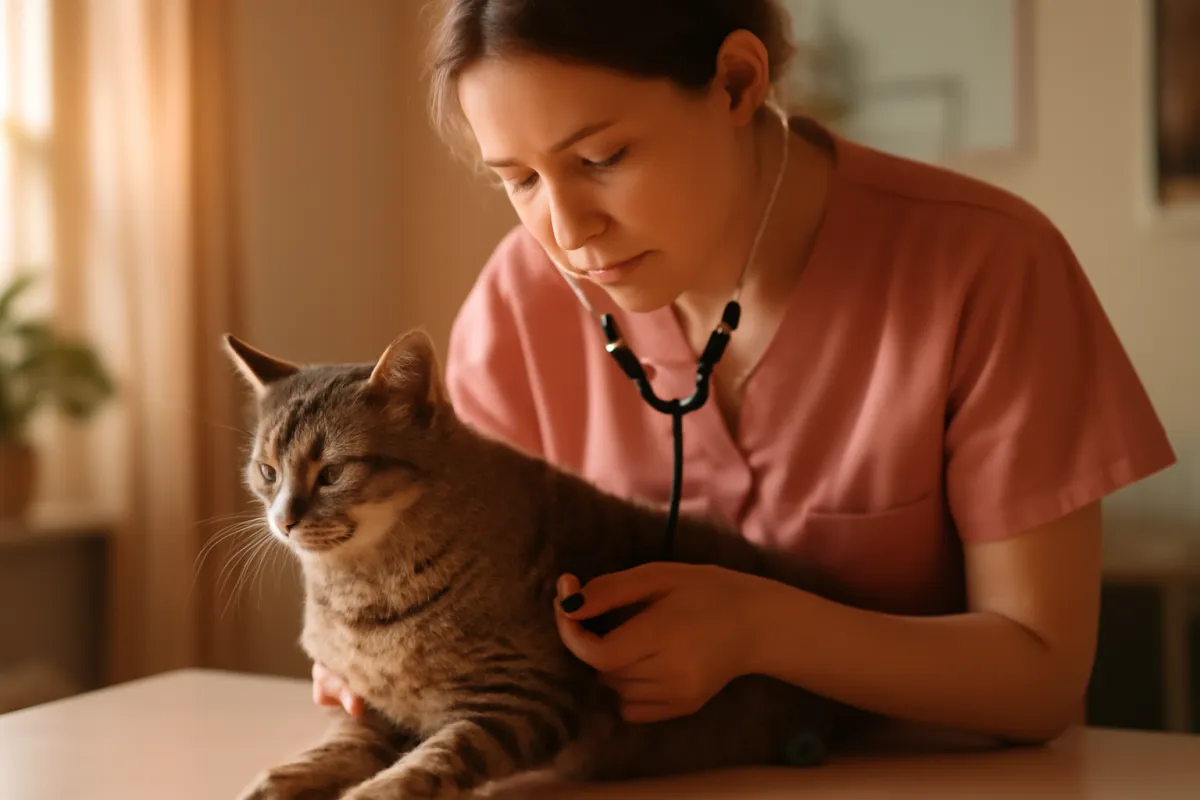
None of these add-ons is urgent for every cat, and the honest approach is to ask your own cat’s groomer or vet which of them your specific cat’s coat, ears, and claws actually need rather than buying the full menu by default.
Coat length: the biggest price lever
Coat length explains most of the gap between a cheap and an expensive cat grooming bill, more than the cat’s size or temperament. A short-haired cat, the majority of cats including most domestic shorthairs and many popular breeds, needs the least professional attention of any coat type, since the fur simply does not mat and sheds in a way the cat’s own grooming and a weekly home brush handle well. A long-haired cat, a Persian, a Maine Coon, a Ragdoll, or a long-haired domestic mix, carries a coat that mats without near-daily intervention, which is the single reason professional cat grooming exists as a real recurring line for some households and not others.
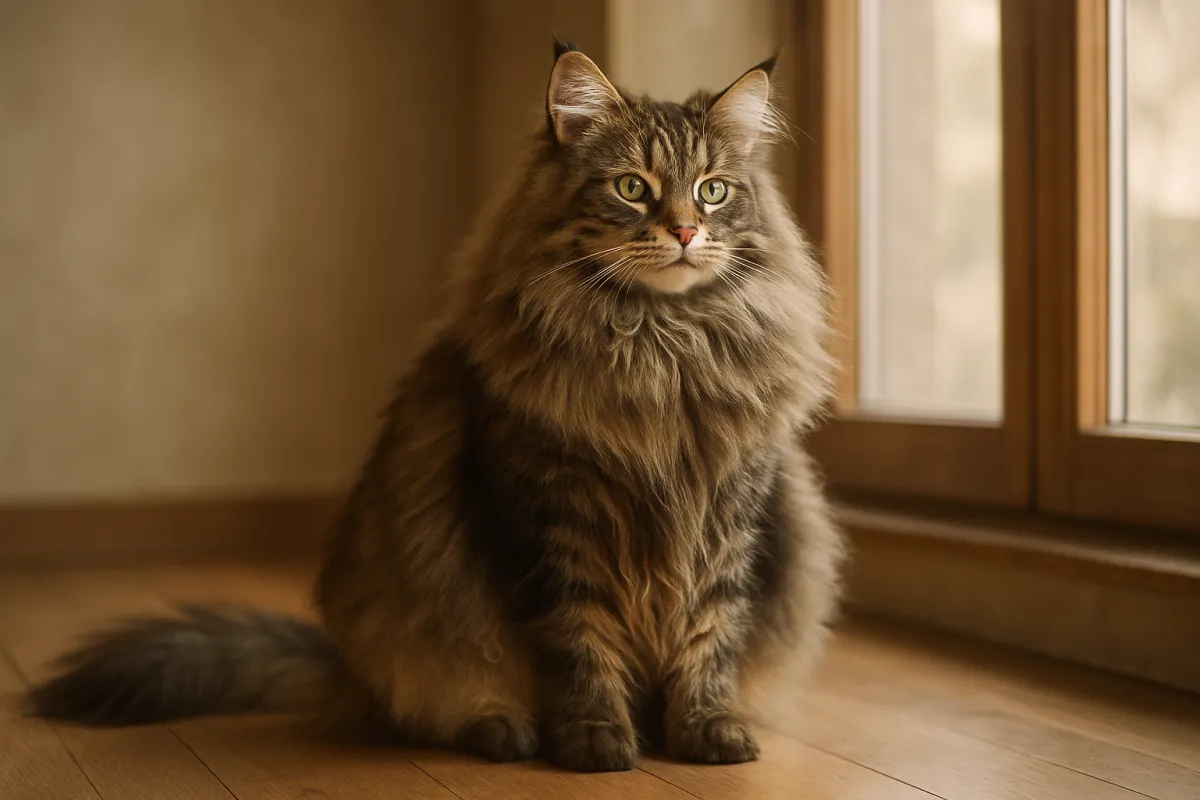
The practical consequence for a prospective owner is worth stating plainly: choosing a long-haired breed is choosing a recurring grooming line, whether that line is paid in dollars to a groomer or in daily minutes of the owner’s own brushing time. Neither choice is wrong, but going in without having made the choice on purpose is how owners end up with an unexpectedly matted cat and an unexpectedly large invoice.
Matting and why it costs more to fix than prevent
A mat is tangled fur pulled tight against the skin, and once it sets in close enough, a cat genuinely cannot groom it out, and brushing it out becomes painful or impossible without professional tools and technique. Mild, early matting caught during a regular brush can often be worked out by hand or with a dematting comb at minimal cost. Established matting, especially under the legs, behind the ears, or around the hindquarters where it forms fastest, usually cannot be safely combed out and instead needs to be clipped away, which is where the lion cut becomes the realistic option rather than a dramatic one.
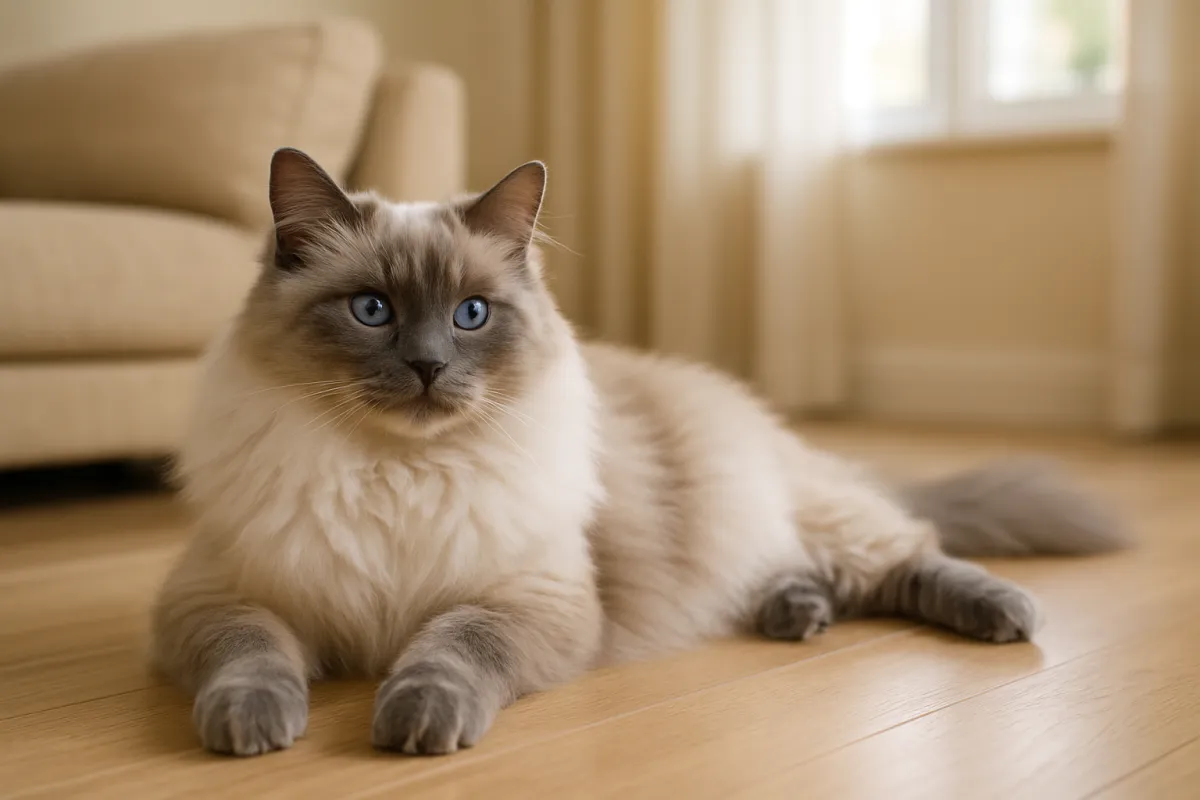
The cost lesson is direct: a few minutes of daily brushing on a long-haired cat is free and prevents the exact situation that leads to an illustrative $80 to $150 lion cut, sometimes with sedation on top. Skipping the daily habit does not save that cost, it defers it, usually to a worse version of the same bill once the coat has had months to mat undisturbed.
Temperament and handling difficulty
Cat grooming costs more than dog grooming for a comparably sized animal largely because of handling, not fur volume. Dogs are generally bred and trained toward cooperating with restraint and tolerating a stranger’s hands; cats, as a rule, are not, and a frightened or defensive cat can injure a groomer with claws and teeth in ways a similarly sized dog rarely matches. This is part of why fewer businesses specialize in cat grooming than in dog grooming, and why a meaningful share of difficult or heavily matted cats end up referred to a veterinary clinic rather than handled at a standard pet-grooming salon.
A calm, well-socialized cat accustomed to handling from kittenhood typically grooms with no more drama than a cooperative dog, and groomers often charge a standard rate for such a cat. A genuinely fractious or fearful cat may be charged a handling premium, refused outright by some groomers, or referred straight to a veterinarian who can offer sedation, which is the responsible outcome for both the cat’s welfare and the groomer’s safety rather than a business trying to force an unsafe situation through.
Where you live and how much it moves the price
Geography moves cat grooming prices the way it moves most pet-care pricing, because the cost is mostly a skilled person’s time and a commercial space’s overhead in your specific area. In dense, expensive city centers, grooming rates commonly sit an illustrative twenty to thirty-five percent above the midpoints used in this read. In small towns and lower-cost regions, rates commonly sit fifteen to twenty-five percent below, though a smaller town may also have fewer cat-specialized groomers to choose from, which can push the realistic price back up even where the local cost of living is lower. Treat every figure in this read as an average-cost-area midpoint and call two or three local groomers or clinics before you budget a specific cat’s plan.
Cat breeds that need the most, and the least, grooming
Coat type sorts cats into fairly distinct grooming-cost tiers, and knowing the tier before choosing or adopting a cat is one of the most useful things a prospective owner can do for their future budget. At the high-maintenance end, Persians carry an extremely dense, long coat that mats quickly and often needs daily brushing plus professional grooming every four to six weeks to stay manageable; our Persian cat cost read covers the breed’s full cost picture, grooming included. Maine Coons and Norwegian Forest Cats carry a long, somewhat water-resistant coat that mats less readily than a Persian’s silky fur but still benefits from regular brushing and periodic professional attention, especially around the ruff and britches; our Maine Coon cost read prices that breed in full.
At the low-maintenance end, short-haired breeds and mixes need the least, often nothing beyond self-grooming and a weekly brush for life. An unusual case worth naming honestly: hairless breeds like the Sphynx need no coat brushing at all, since there is no coat, but they trade that for a different recurring task, regular bathing to remove the skin oils a coat would normally absorb, commonly every one to two weeks, which our Sphynx cat cost read details as its own cost line rather than a traditional grooming one. Ragdolls and British Shorthairs sit in the middle: a Ragdoll’s long, silky coat mats less than a Persian’s but still benefits from the same every-two-to-three-month professional rhythm a well-brushed long coat generally needs.
Tipping a cat groomer
Tipping a cat groomer follows the same broad etiquette as tipping any personal-care service, with an illustrative customary range of fifteen to twenty percent of the service total, a touch higher than the dog-grooming norm in recognition that cat handling is generally the harder, riskier job. A difficult cat handled calmly and safely, or a significant dematting job completed without an incident, is exactly the kind of visit where tipping at the top of that range, or adding a bit more, is a reasonable way to recognize real skill. Our read on tipping a dog groomer works through the same underlying etiquette question in more depth, and the reasoning transfers directly to the cat side.
A worked comparison: two real cats, one year
Numbers land better side by side than in the abstract, so here are two illustrative cats run through a full year. Cat one is a five-year-old domestic shorthair, healthy, calm, and an enthusiastic self-groomer. The household brushes weekly, bundles nail trims into the twice-yearly wellness exam at no extra charge, and books one bath after a memorably muddy escape outside. Total grooming spend for the year: an illustrative $40, nearly all of it the single unplanned bath.
Cat two is a four-year-old Persian from the same neighborhood. The household brushes daily, which the coat genuinely requires, and still books a professional full groom every six weeks, roughly nine visits a year at an illustrative $100 each, plus one de-shedding add-on during a heavy seasonal shed at $25. Total grooming spend for the year: an illustrative $925. Same city, same income level, same owner diligence; the entire $885 gap traces to one decision made at adoption, the coat the cat happened to be born with. Running your own cat’s coat type through the calculator shows which of these two households your situation actually resembles, rather than which one you assumed.
Mobile grooming versus a salon or vet clinic
Mobile grooming, where a groomer comes to your home in an equipped van, commonly carries an illustrative 20 to 35 percent premium over the same service at a fixed salon, paid for the convenience of skipping a carrier trip and a waiting room, which can meaningfully lower a cat’s stress compared with travel. A standard grooming salon is the mainstream mid-price option, and some salons specialize specifically in cats, which is worth seeking out over a dog-focused shop if one exists locally. A veterinary clinic becomes the right venue once sedation is a real possibility, since only a vet can safely administer and monitor it, and clinic-based grooming for a difficult or heavily matted cat should be treated as a medical-adjacent service priced accordingly rather than compared directly against salon rates.
DIY grooming at home
For the cats that need the least, DIY is not just viable, it is the realistic default. A simple cat-specific slicker or rubber brush, an illustrative $10 to $20 one time, plus a basic nail clipper, another $8 to $15, covers the weekly brushing and occasional nail trim that most short-haired cats need for life, for an illustrative one-time outlay of $20 to $40 and essentially nothing recurring beyond the owner’s own time.
For long-haired cats, DIY brushing is genuinely the backbone of keeping the coat manageable between any professional visits, and the daily habit matters more than the tool quality. Where DIY stops being the safe choice is removing an established mat with scissors, a common way cats are accidentally cut, since a mat sits close enough to the skin that it is difficult to see exactly where fur ends and skin begins. That specific job, along with any cat who will not tolerate home handling at all, is worth paying a professional for even in an otherwise fully DIY household.
Senior and overweight cats: grooming as a welfare need
Age and weight change the grooming calculation for any coat length, not just long ones. A cat’s ability to groom itself depends on flexibility, reach, and a healthy spine and hips, all of which decline with age and with excess weight. A senior cat with arthritis, or an overweight cat of any age, commonly loses the ability to reach its own lower back, tail base, and hindquarters, exactly the spots where mats, dander buildup, and even urine or fecal soiling tend to collect once self-grooming stops reaching them. This applies to short-haired cats too, which is why a short coat does not guarantee a grooming-free life forever.
For these cats, professional grooming or consistent, gentle owner help is a welfare matter rather than a cosmetic one, and a vet visit that notices a previously well-groomed senior cat suddenly looking unkempt is often picking up on a mobility or pain issue worth investigating rather than a grooming lapse on its own. Budgeting an illustrative $200 to $400 a year for a senior or overweight cat’s grooming help, even one with a short coat, is a reasonable planning figure once self-grooming has become unreliable, and our senior dog care costs read covers the same aging-related shift in detail on the dog side of this site.
Preparing your cat for a grooming visit
A little preparation measurably lowers both the stress and, indirectly, the cost of a grooming visit, since a calm cat is faster and safer to groom than a frightened one, and groomers price difficulty into their rates. Getting a cat comfortable with being touched on the paws, ears, and belly from kittenhood, well before any grooming is actually needed, pays off for the rest of the cat’s life. For an adult cat new to grooming, a short, low-stakes introductory visit, sometimes just a nail trim or a brief brush-out, lets the cat and the groomer learn each other before a longer full groom is attempted.
On the day itself, withholding food for a short period beforehand if sedation is a possibility, transporting the cat in a secure, familiar-smelling carrier rather than loose, and avoiding a first grooming visit on the same day as a stressful car trip or a move all reduce the odds of a difficult session. None of this guarantees an easy visit with a genuinely fearful cat, but it meaningfully improves the odds for an average one, and an improved first experience tends to make every subsequent visit easier and cheaper than the alternative pattern of a traumatic first groom making every visit after it harder.
How often your cat needs grooming
For a short-haired cat, the honest answer is rarely to never for professional grooming, with a weekly home brush and an occasional nail trim covering the routine need. For a long-haired cat with consistent daily home brushing, a professional visit every two to three months commonly suffices, mainly to manage shedding volume and catch early matting in the hard-to-reach spots an owner’s brush sometimes misses. For a long-haired cat with less consistent home brushing, or an owner who prefers to outsource the job entirely, every four to six weeks is the more realistic cadence, closer to what a long-coated dog breed needs.
An illustrative year of cat grooming
Two illustrative households, side by side. Household one: a healthy short-haired adult cat, weekly home brushing, one professional nail trim bundled into two wellness vet visits a year at no extra charge, and one bath after an outdoor misadventure. Annual grooming spend: an illustrative $45, almost all of it the one unplanned bath. Household two: a long-haired Maine Coon mix, daily home brushing, a professional full groom every ten weeks, four visits a year at $95 each, plus one de-shedding add-on during the spring coat blow at $25. Annual grooming spend: an illustrative $405.
The gap between those two households is not a difference in income or standards, it is almost entirely the coat-length decision made, consciously or not, when each cat was chosen. Run your own cat’s coat type and routine through the calculator to see which household your situation resembles.
Multiple cats: does grooming get cheaper per cat
Unlike a dog walker’s visit or a cat sitter’s drop-in, grooming does not benefit much from a multi-cat discount, because each cat’s actual grooming time, the bath, the brushing, the trim, is the bulk of the cost rather than a shared travel or setup fee. A household with two long-haired cats should expect close to double the single-cat grooming bill rather than the modest add-on pricing common in sitting or walking services, since a groomer spends roughly the same amount of hands-on time per cat regardless of how many live in the same house.
The one place a genuine saving shows up is scheduling: booking two household cats back to back in the same appointment slot sometimes earns a modest package discount, an illustrative five to ten percent off the combined total, simply because it is efficient for the groomer’s day. It is worth asking directly whether a groomer offers this, but it is a modest saving on top of two real bills, not a reason to expect multi-cat grooming to behave like multi-cat sitting or boarding.
How to save on cat grooming
The levers that genuinely lower this line, without cutting care a specific cat needs:
- Brush a long-haired cat daily. Free, takes minutes, and is the single biggest lever against the matting that eventually forces an expensive lion cut.
- Skip professional grooming entirely for a healthy short-haired cat. For most cats this is not a sacrifice, it is simply recognizing the service was never needed.
- Bundle nail trims into vet visits. Many clinics will trim nails for a nominal fee or for free alongside an already-scheduled wellness exam.
- Catch matting early. A dematting comb used promptly on light matting is far cheaper than the lion cut established matting eventually requires.
- Choose a salon over mobile grooming when your cat tolerates travel reasonably well. The convenience premium is a real cost, worth paying only when the stress reduction genuinely matters for that cat.
- Learn basic home skills. A simple brush and a cat-specific nail clipper pay for themselves within one or two skipped professional visits.
The false economy to avoid is the opposite one: letting a long-haired cat’s coat go unbrushed to save a few minutes a day, then paying far more later for a lion cut, and sometimes for sedation, to fix the result.
When grooming needs a vet instead of a groomer
A handful of signs mean the right next call is to a veterinarian rather than a standard groomer. Matting close to the skin over a large area, especially if the skin underneath looks red, irritated, or has an odor, can indicate a skin problem alongside the matting itself. A cat who becomes aggressive or panicked during any handling, not just grooming, may need sedation to be groomed safely at all. Sudden heavy shedding, bald patches, or skin lesions are medical signs first and grooming problems second, and treating the coat without addressing the underlying cause wastes money on both ends. In any of these cases, a veterinary exam before a grooming appointment is the responsible order of operations, not an extra cost to avoid.
How grooming fits your bigger cat budget
For most short-haired-cat households, grooming is close to a non-line in the yearly pet budget our how much does a cat cost per year read prices in full, a pleasant contrast with the recurring lines, food, litter, and health care, that dominate that read. For long-haired-cat households, grooming earns a real planned slot, an illustrative $200 to $450 a year on a managed schedule, which is modest next to a comparable long-coated dog breed’s grooming bill but genuinely recurring rather than occasional.
Either way, the honest move is to know which household you are before the cat comes home, or as soon afterward as the coat type becomes clear, and to budget for the real version of your cat rather than an aspirational one. Run your own numbers through the calculator and this line stops being a surprise.
The bottom line
Cat grooming cost runs from effectively nothing for a healthy short-haired cat kept up with a weekly home brush, to an illustrative $50 to $90 for a short-haired cat’s occasional full groom, $70 to $120 for a long-haired cat’s full groom, and $80 to $150 or more for a lion cut on a severely matted coat, with sedation adding further cost when it is needed. The single biggest decision in this whole budget is coat length, made at the point of choosing or adopting the cat, and the single biggest daily habit is brushing a long coat before it has the chance to mat.
Unlike most of the recurring costs this site prices, cat grooming is one where the honest advice for a large share of readers is to spend less than they expect, not more: a short-haired, healthy, younger cat with a reasonably attentive owner often needs nothing beyond nail trims and an occasional bath for its entire life. The money and the attention saved on grooming a cat that does not need it are better spent where this particular cat, and this particular stage of its life, actually needs them, which the rest of this site’s cat cost reads cover in full.
The playbook: know honestly whether your cat’s coat needs professional help at all, brush daily if the answer is yes, bundle nail trims into vet visits, catch matting early rather than letting it establish, and treat a lion cut or a sedation referral as a sign to tighten the home routine going forward rather than a one-off bad break. Do that, and cat grooming stays one of the smallest, most controllable lines in the entire pet budget, with the calculator standing by to turn this read’s illustrative ranges into your own numbers.
A closing note from the MuttMark team: this cost read is written to help you plan and compare a cat grooming budget, and it is not veterinary or grooming advice specific to your animal. Every dollar figure above, service prices, the coat-length comparison, the lion cut and sedation ranges, is an illustrative planning figure rather than a quote, and your actual cost will move with your region, your groomer or clinic, and most of all your individual cat’s coat, temperament, and health. Whether a specific mat, skin change, or behavior during handling needs a groomer or a veterinarian is a judgment call for a professional looking at the actual cat, not a rule this article can make for you. Price everything locally before you book, and when in doubt about your cat’s tolerance for handling or an unusual finding on the coat or skin, start with your veterinarian rather than a grooming appointment.
Frequently asked questions
How much does cat grooming cost?
As an illustrative figure, a basic bath-only visit for a cat commonly runs $35 to $60, and a full groom, bath, brushing, sanitary trim, nails, and ears, commonly runs $50 to $90 for a short-haired cat and $70 to $120 for a long-haired cat. A severely matted coat needing a full shave-down, commonly called a lion cut, runs higher still, an illustrative $80 to $150, and sometimes requires light sedation administered by a veterinarian, which adds its own separate cost. Most cats, especially short-haired ones, never need any of this and keep themselves clean through normal self-grooming.
Do cats need professional grooming?
Most healthy short-haired cats do not need professional grooming at all, because a cat's rough tongue and flexible body are built for effective self-grooming, and a weekly brush at home is usually plenty of extra help. Long-haired breeds are a different story: a coat like a Persian's or a Maine Coon's mats easily if not brushed almost daily, and once matting sets in close to the skin, a cat genuinely cannot groom it out alone. Senior cats, overweight cats who can no longer reach their own back and hindquarters, and cats recovering from illness or injury are the other groups who commonly need professional help regardless of coat length.
How much does a lion cut cost for a cat?
A lion cut, a full or near-full shave-down typically used to remove severe matting or to manage a long coat through summer, commonly runs an illustrative $80 to $150 at a groomer or veterinary clinic. The price reflects both the time involved and the skill required, since cat skin is thin and easily nicked, and a heavily matted cat often will not tolerate the process calmly. Many heavily matted cats need light sedation for the groom to be done safely, which a groomer typically cannot administer, so the cat is referred to a veterinarian, and the sedation itself adds a separate illustrative $100 to $300 on top of the shaving fee.
Why does cat grooming cost more than dog grooming for a similar size?
Handling difficulty, not size, drives the gap. A similarly sized small dog is usually easier to physically manage through a bath, a blow-dry, and a trim than a cat, which is not bred or generally trained for grooming cooperation the way dogs are, and cat skin and claws make restraint a genuinely higher-skill task. Fewer groomers specialize in cats than in dogs, which reduces competition and local supply, and a meaningful share of cat grooming, especially matted or difficult cats, ends up at a veterinary clinic rather than a standard pet-grooming salon, where handling expertise and sedation availability carry clinic-level pricing.
How often should a long-haired cat be professionally groomed?
As an illustrative schedule, a long-haired cat with a dedicated owner doing daily or near-daily home brushing commonly needs a professional groom every two to three months, mainly to manage shedding volume and catch any matting starting under the arms, behind the ears, or around the hindquarters before it sets in. A long-haired cat with less consistent home brushing, or an owner who prefers to outsource the whole job, commonly needs professional attention every four to six weeks, closer to the cadence a long-coated dog breed needs, since the coat simply mats faster without daily intervention.
Can I groom my cat at home instead of paying a professional?
For a short-haired cat, yes, almost entirely: a weekly brush with a simple slicker or rubber brush, occasional nail trims, and the rare bath if the cat gets into something sticky or smelly covers nearly everything a short coat needs, and the supplies are an illustrative $20 to $40 one time. For a long-haired cat, DIY is realistic for routine brushing between professional visits but becomes genuinely difficult once real matting sets in, since safely removing a mat close to the skin with scissors is a common way cats are accidentally injured, and that specific job is worth paying a professional for even in an otherwise DIY household.
How much does a cat nail trim cost on its own?
As an illustrative figure, a standalone nail trim with no other service runs $10 to $20 at most groomers or veterinary clinics, and many veterinary offices will do a quick trim for a nominal fee or for free at an already-scheduled visit. Learning to do it at home with a simple cat-specific nail clipper is one of the easiest and most cost-effective grooming skills an owner can pick up, and it avoids the overgrown, sometimes ingrown claws that can develop in cats who are never trimmed and never wear their claws down naturally.