

What's on this page
- The short answer: what a Cavalier King Charles Spaniel costs
- Cavalier purchase price: breeder versus rescue
- Why Cavaliers cost what they do
- A Cavalier King Charles Spaniel cost table
- The first-year cost of a Cavalier
- Ongoing annual cost of a Cavalier
- Feeding a Cavalier: a modest, straightforward bill
- Mitral valve disease: the breed’s defining cost line
- Syringomyelia and the breed’s other watch items
- Grooming the Cavalier’s coat
- Pet insurance for a Cavalier King Charles Spaniel
- What Cavalier King Charles Spaniel insurance costs
- The lifetime cost of a Cavalier King Charles Spaniel
- How a Cavalier compares to other small companion breeds
- Buying responsibly: what to look for
- An illustrative year with a Cavalier
- How to keep Cavalier King Charles Spaniel costs down
- Is a Cavalier King Charles Spaniel worth the cost?
- The bottom line
Short answer: A Cavalier King Charles Spaniel puppy from a reputable breeder commonly runs an illustrative $2,200 to $3,500, rescue roughly $300 to $600, and rare colors or show prospects sometimes past $4,000. A settled year commonly runs $1,400 to $2,600, with the two real swing factors being the coat's grooming line and the breed's well-known heart condition, mitral valve disease, which also makes insurance worth taking seriously. An illustrative lifetime total lands around $17,000 to $29,000 or more.
The cost of a Cavalier King Charles Spaniel starts with a friendly, affectionate dog and a purchase price that sits a notch above most toy and small companion breeds, and then asks you to plan honestly around the one fact every breed description eventually mentions: this is a breed with a real, well-documented heart condition that shapes the budget more than almost any other factor on this site’s breed pages. To buy, an illustrative $2,200 to $3,500 from a reputable breeder with health-tested parents, less through rescue, and more for rare color combinations or show-quality lines. To own, food and routine supplies run at ordinary small-to-medium dog rates, but the coat and, above all, the heart are where a Cavalier’s true cost story is written.
This cost read prices the whole dog: the purchase and what moves it, the first-year and settled annual budgets, the coat’s grooming line, the breed’s cardiac and neurological watch items with honest illustrative ranges, insurance, and the lifetime total. It sits alongside our dog cost by breed read, which compares many breeds on one scale, and makes a useful contrast with our Shih Tzu cost read, another small, coat-driven companion breed whose health watch list runs in a different direction. Put your own numbers into the cost calculator as you read.
Key takeaways
- A reputable-breeder Cavalier commonly runs an illustrative $2,200 to $3,500 for a pet-quality puppy; rescue is roughly $300 to $600, and rare colors or show lines climb past $4,000.
- Routine costs run at ordinary small-to-medium dog rates: an illustrative $35 to $55 a month of food.
- Mitral valve disease is commonly discussed as one of the breed's most prevalent and costly health concerns, and it is the single biggest reason this breed's insurance decision deserves to be made early.
- Syringomyelia, ear infections, and eye conditions round out the breed's watch list, all worth discussing with a vet experienced with the breed.
- An illustrative lifetime total commonly lands around $17,000 to $29,000 or more across twelve to fifteen years. Every figure here is illustrative and varies widely.
The short answer: what a Cavalier King Charles Spaniel costs
For the purchase, the usual fork, with this breed’s own twist. From a reputable breeder, a pet-quality Cavalier commonly runs an illustrative $2,200 to $3,500, with the price tracking cardiac screening on the parents, hip and eye clearances, reputation, and region. From rescue, through a breed-specific rescue or a general shelter, an illustrative $300 to $600, usually bundling vaccines, sterilization, and a microchip. Below the standard range sits a volume market of casually bred puppies, commonly advertised well under $2,000, almost always from parents who were never screened for the breed’s heart condition. Above it sit rare parti-colors, Blenheim markings prized for a particular pattern, and show-prospect puppies, which can run past $4,000.
For the ownership, routine lines sit at ordinary small-to-medium dog rates: an illustrative $35 to $55 a month of food for a dog typically weighing 13 to 18 pounds, routine vet care at standard small-dog pricing, and a moderate grooming line for the silky coat. A settled year commonly runs an illustrative $1,400 to $2,600. What the friendly baseline does not show is that this breed’s defining cost item is not a lifestyle choice the way coat length is for a Shih Tzu, it is a health condition the breed is widely known for, and planning around it honestly is the single most important thing this read can do for you.
That shape, ordinary routine costs plus a real, breed-specific cardiac risk, dictates the whole strategy of a Cavalier budget: buy from cardiac-screened parents or adopt an assessed adult, decide the insurance question before any murmur appears on an exam, and keep the coat brushed so the grooming line stays modest. The rest of this read prices each piece; the calculator turns them into your own totals.
Cavalier purchase price: breeder versus rescue
A responsible Cavalier breeder’s price reflects a specific, real cost most buyers never see: cardiac screening. The breed’s leading clubs and veterinary cardiologists commonly recommend that breeding dogs be examined by a cardiologist, often by auscultation and sometimes with an echocardiogram, before being bred, and ideally again at intervals throughout their breeding life, specifically because mitral valve disease is so commonly discussed in this breed. Add hip evaluation, eye examination, patella checks, proper rearing, and early socialization, and an illustrative $2,200 to $3,500 for a pet-quality puppy is the fair market price for all of that work.

Rescue runs an illustrative $300 to $600, and Cavaliers appear through breed-specific rescue groups with some regularity given the breed’s popularity, as well as through general shelters, often surrendered for reasons unrelated to the dog itself, a change in the owner’s circumstances or an underestimated grooming or veterinary commitment. An adult from rescue arrives with a known temperament, and many rescues will disclose any known heart murmur or health finding up front, which is valuable information a puppy purchase cannot offer.
The tier to watch is the one every popular breed attracts: volume-bred and pet-store puppies priced low because the parents were never cardiac-screened, and a premium charged for a rare parti-color or a “teacup” label that buys appearance rather than a healthier dog. As our dog cost by breed read notes across every breed page, the bargain puppy reliably re-invoices itself through the vet, and in this specific breed that invoice is disproportionately likely to arrive at the cardiologist’s office.
Why Cavaliers cost what they do
Cavalier pricing is a popularity story layered on a breed with a genuinely more expensive responsible-breeding process than most small dogs. Decades as one of the most popular toy and small companion breeds in much of the world keep buyer demand high, and a conscientiously bred litter from cardiac-screened, hip-evaluated, eye-examined parents costs real money to produce, which shows up directly in the price of a well-bred puppy. Under that demand sits the familiar volume market, since the breed breeds relatively easily in normal-sized litters, which keeps bargain puppies widely available and keeps the quality gap between the cheapest and the best-screened litters unusually wide and unusually consequential given the breed’s health profile.
Illustrative Cavalier King Charles Spaniel purchase price by source
Representative upfront cost to acquire a Cavalier puppy. Illustrative; varies by region, lines, color, and demand.
Rescue prices cover care rather than breeding cost. The honest premium within the breeder tiers tracks cardiac, hip, and eye screening and proven lines; a rare parti-color buys a look, not a healthier heart.
A note on two things this breed’s marketplace leans on. Cardiac screening paperwork is the one document worth asking for before anything else, since a breeder who can produce recent cardiologist results on both parents is doing the single most important thing this breed asks of a breeder. Rare color and markings, a particularly well-placed Blenheim pattern or a rare ruby or tricolor, are a coat trait, not a health trait, and the premium paid for one buys nothing the cardiac and joint screening panel covers.
A Cavalier King Charles Spaniel cost table
The main categories, one-time and recurring, in illustrative planning ranges:
| Cost category | Illustrative amount | Notes |
|---|---|---|
| Purchase (reputable breeder, pet) | ~$2,200 to $3,500 | One-time; rare colors and show prospects higher |
| Purchase (rescue / adoption) | ~$300 to $600 | One-time; typically bundles vaccines, sterilization, chip |
| First-year setup and gear | ~$300 to $550 | Crate, bed, harness, grooming tools, bowls |
| Food (annual) | ~$420 to $660 | Small-to-medium breed portions |
| Routine annual vet care | ~$400 to $700 | Wellness exam, vaccines, preventatives |
| Grooming (annual) | ~$350 to $650 | Professional groom roughly every six to eight weeks |
| Dental cleaning (when due) | ~$300 to $700 | Standard small-breed dental cadence |
| Cardiac monitoring (annual, once a murmur is noted) | ~$150 to $500 | Periodic cardiology exam and imaging as advised |
| Heart medication (when needed) | ~$30 to $120 / month | Ongoing management once disease progresses |
| Pet insurance premium | ~$360 to $660 / year | Accident and illness, enrolled young |
| Illustrative lifetime total | ~$17,000 to $29,000+ | Purchase plus 12 to 15 years of care |
Two lines carry the whole table’s real weight. The cardiac rows cover the condition most prospective owners have at least heard of but rarely price out in advance, and they are precisely why the insurance row exists. The grooming row is the lever an owner fully controls through home brushing. Place your own assumptions on the grid, then let the calculator do the multiplication.
The first-year cost of a Cavalier
Year one stacks the one-time costs on a full year of care. The purchase, an illustrative $2,200 to $3,500 from a breeder or a few hundred via rescue. Setup and gear, an illustrative $300 to $550: crate, bed, harness and leash, bowls, and a slicker brush and comb from day one, since starting coat habits in puppyhood is far cheaper than fixing matting later. The puppy medical stack, vaccine series, deworming, preventatives, and spay or neuter if not already bundled, commonly adds several hundred dollars; our puppy cost read itemizes it, and our spay and neuter cost read prices that specific line.
The first veterinary exam matters more in this breed than in most. Ask your vet to listen carefully for a heart murmur at every puppy visit and at the first adult wellness exam, since an early baseline is genuinely useful for tracking any change over the dog’s life, and because an insurance policy bought before any murmur is on record covers the breed’s defining risk in a way a policy bought after cannot.
All in, a breeder Cavalier’s first year commonly lands at an illustrative $2,900 to $4,600; a rescue Cavalier’s, an illustrative $1,000 to $2,000. Both track the universal first-year shape our first-year dog cost read maps: a spike of one-time costs that never repeats, settling into the steady rhythm the next section prices.
Ongoing annual cost of a Cavalier
The settled Cavalier year runs at small-to-medium dog rates on the lines that scale with size and breed-specific on the lines that do not. Food, an illustrative $35 to $55 a month, or $420 to $660 a year. Routine vet care, the annual exam with a careful cardiac listen, vaccines on schedule, and standard parasite preventatives, an illustrative $400 to $700. Grooming, an illustrative $350 to $650 a year across professional visits roughly every six to eight weeks, trimmed down by consistent home brushing between them. And the risk line, an insurance premium at an illustrative $360 to $660 a year or the same money into a dedicated fund, sized higher than many small breeds because of the cardiac risk this read keeps returning to.

Sum it and a normal year runs an illustrative $1,400 to $2,600, sitting a little above the small-breed band our monthly cost of a dog read charts across breeds, almost entirely because of the insurance or fund provision this breed earns on its health profile rather than on size. The senior stretch deserves a forward glance while budgeting the middle years: cardiac monitoring and, in a meaningful share of dogs, heart medication commonly become part of the picture by the senior years, lifting late-life costs well above the earlier baseline. Bank the difference while the dog is young and the later years arrive pre-paid.
Feeding a Cavalier: a modest, straightforward bill
The food line is genuinely one of the easier parts of this breed’s budget. A Cavalier eats an illustrative $35 to $55 a month of quality small-to-medium-breed food, and because the dog typically weighs 13 to 18 pounds fully grown, the bill stays modest in dollar terms even on a premium diet. The requirement is a complete, balanced diet appropriate for a small-breed dog’s life stage; anything above that tier is preference rather than necessity.
One feeding note carries specific weight for this breed: Cavaliers are enthusiastic, food-motivated eaters with no particular reputation for pickiness, and the far more common risk is the opposite problem, a dog that happily overeats and gains weight. Extra weight is a genuine concern here beyond the ordinary joint argument, because a heart already working against a leaking valve has an easier job in a lean dog than in an overweight one. Measured portions and modest treats are one of the cheapest, most effective things an owner can do for this specific breed’s specific risk.
Mitral valve disease: the breed’s defining cost line
This is the section the whole budget bends around. Mitral valve disease, a progressive weakening and leaking of one of the heart’s valves, is commonly discussed as one of the most prevalent and costly health concerns associated with Cavaliers specifically, appearing in the breed earlier in life and at meaningfully higher rates than in dogs in general, according to the breed literature and the cardiac-screening programs breed clubs run precisely because of it. The honest framing matters here: not every Cavalier develops significant disease, and a murmur detected early is often mild and monitored for years before it needs any active treatment, but the breed’s documented tendency is real enough that planning around it, rather than hoping around it, is simply the responsible move.

What it can cost in practice spans a wide range on purpose, because the disease itself spans a wide range. A dog with an early, mild murmur may need nothing more than an annual or twice-yearly recheck, an illustrative $150 to $300 a visit. A dog whose disease progresses further commonly moves onto daily heart medication, an illustrative $30 to $120 a month depending on the drugs involved, plus more frequent monitoring and sometimes diagnostic imaging, which can push a single workup into several hundred dollars. In more advanced cases, management intensifies further, and while that end of the range is less common, it is real enough in this breed that insurance bought early is the single most useful financial tool available against it.
Syringomyelia and the breed’s other watch items
Syringomyelia, a condition in which fluid-filled cavities form within the spinal cord, is associated with Cavaliers at rates breed literature discusses specifically, linked to the breed’s skull and upper spine conformation. Signs, when they appear, can include sensitivity around the head or neck, scratching at the air near the shoulder without making contact, or in more significant cases, pain and neurological changes. Diagnosis typically requires advanced imaging, and management ranges from medication to, in some cases, surgical intervention, which makes this one of the higher-cost possibilities on the breed’s list even though it affects a smaller share of dogs than the heart condition does. Any suspicious sign belongs with a veterinarian promptly rather than waiting to see if it resolves.
The breed’s other recurring watch items are more modest in cost but worth knowing. Ear infections appear at real rates given the long, low-set, heavily feathered drop ears, which trap moisture and warmth; regular at-home ear checks and drying after swimming or baths are the cheap prevention, and a treated infection commonly runs an illustrative $100 to $250. Eye conditions, including dry eye and some inherited concerns, are also discussed in the breed, making the same kind of annual attention worthwhile. None of this is certain in any individual dog, and the honest response to a long watch list is a good vet relationship and a funded plan, not alarm.
Grooming the Cavalier’s coat
The Cavalier’s moderately long, silky coat, with feathering on the ears, chest, legs, and tail, sits between a short, wash-and-go coat and a high-maintenance cottony one. It mats less readily than some long-coated breeds but still tangles behind the ears, under the legs, and in the tail feathering if left unbrushed. Brushing two to three times a week at home, a task that costs nothing but a few minutes, is what keeps this breed out of the expensive end of the grooming range.
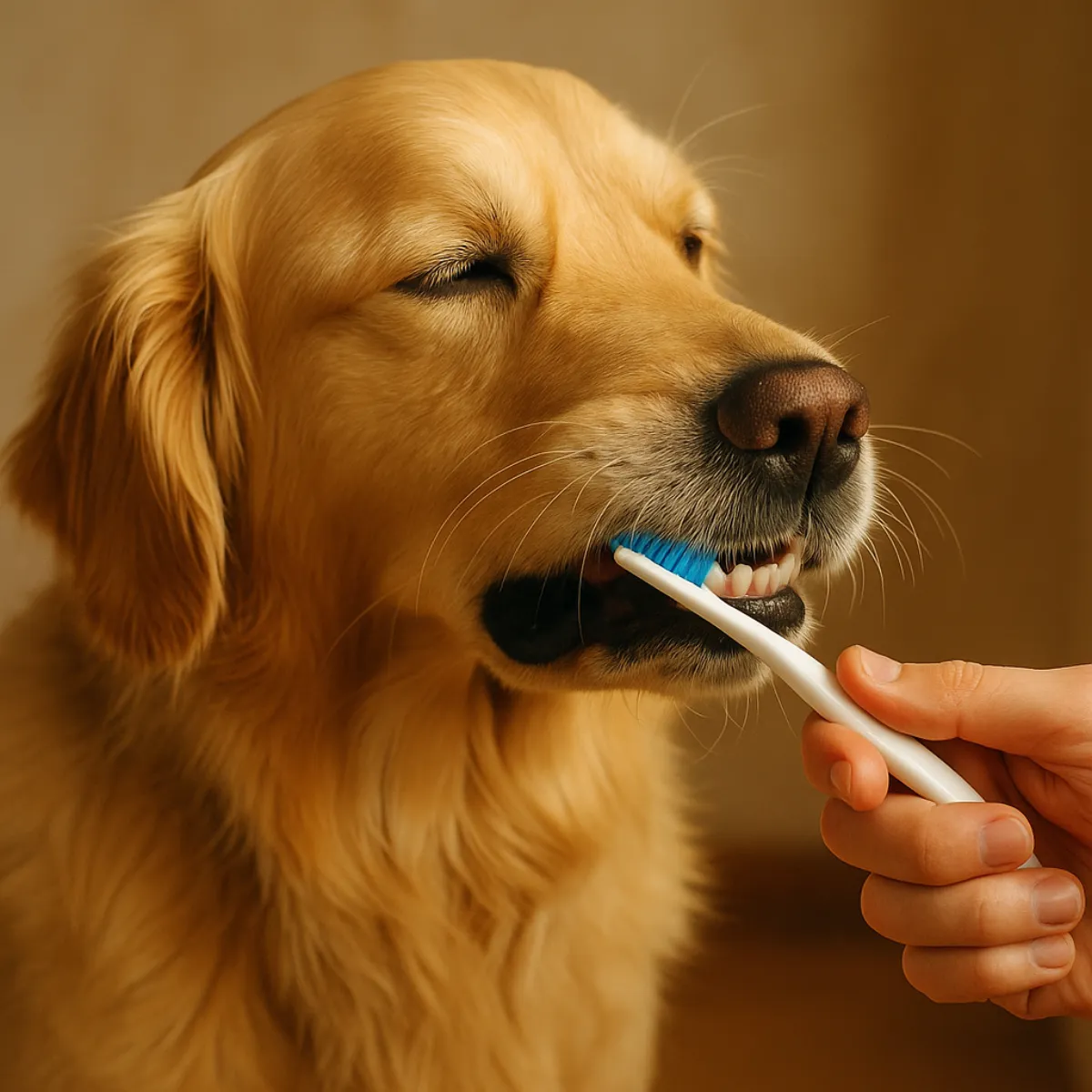
Most owners book a professional groom roughly every six to eight weeks for a bath, nail trim, ear cleaning, and a tidy of the feathering, commonly an illustrative $45 to $75 a visit, or an illustrative $350 to $650 across a year. Skipping home brushing between visits is the single most common way this line creeps upward, since a groomer working through a matted coat takes longer and sometimes has to clip out mats that cannot be brushed through, which costs more and is uncomfortable for the dog. Regular ear cleaning, given the breed’s ear shape, is a nearly free habit worth adding to the same routine.
Pet insurance for a Cavalier King Charles Spaniel
Assemble the risk picture, mitral valve disease discussed as one of the breed’s most common and costly concerns, a real if less frequent syringomyelia risk, ear and eye tendencies, plus ordinary accident and illness exposure, and the Cavalier makes one of the stronger insurance cases of any small breed on this site. The cardiac risk alone, given how commonly it is discussed in this specific breed, is the kind of concentrated, well-documented, potentially expensive risk that insurance is genuinely built to absorb. Our is pet insurance worth it for dogs read frames the general bet this breed leans into harder than most.
Enrollment timing matters enormously here. A heart murmur, once detected and noted on a veterinary record, becomes a pre-existing condition that is excluded from coverage almost everywhere, which means a policy bought in puppyhood, before the first murmur is ever heard, is the only kind of policy that genuinely covers this breed’s defining risk. A policy shopped after a murmur has already been noted will typically carve out cardiac coverage entirely. Read the cardiac and neurological exclusion language specifically before choosing a policy, per the checklist in our how to choose pet insurance read.
The self-funding alternative remains legitimate only for a household that genuinely commits to it from puppyhood, since the same premium, banked monthly and left untouched, works in theory but fails in practice if disease progresses before the fund has real depth. Some owners split the approach, insurance through the early years while the fund builds, transitioning later if the dog stays healthy. Either is a plan. The no-plan is the one outcome this breed’s well-known risk profile exists to warn you away from.
What Cavalier King Charles Spaniel insurance costs
As illustrative figures, accident-and-illness coverage for a young Cavalier commonly runs $30 to $55 a month, an illustrative $360 to $660 a year, sitting above many small breeds specifically because insurers price in the breed’s documented cardiac and neurological tendencies. Premiums climb further with age and with any condition that enters the record, and the usual levers, deductible, reimbursement percentage, and annual cap, trade monthly cost against claim-time cost in the standard way our pet insurance cost per month read dissects.
Cavalier-specific shopping notes: confirm whether cardiac conditions are covered in full or subject to any breed-specific sub-limit, since mitral valve disease is exactly the kind of known breed tendency some insurers price or limit differently; check the neurological and imaging coverage given the syringomyelia risk, since advanced imaging is expensive and some policies cap diagnostic imaging separately from treatment; and ask about congenital and hereditary condition language specifically, since some older or stricter policies exclude conditions described as hereditary even when the dog shows no sign of one at enrollment. Weigh the premium against what it protects: an illustrative $45 a month is $540 a year, and a single year of cardiology monitoring plus medication can equal that in a single season.
The lifetime cost of a Cavalier King Charles Spaniel
Run the layers across an illustrative twelve-to-fifteen-year Cavalier life, purchase at $2,600, a first year totaling $3,700, thirteen settled years averaging $1,950 and trending upward in the senior stretch as cardiac monitoring becomes more likely, and the base case lands near $23,000. Shift the assumptions, a rescue adoption, a late-onset and mild murmur, and no major neurological findings, and the total eases toward an illustrative $17,000; add earlier or more significant heart disease requiring ongoing medication, a syringomyelia workup, and recurring ear care, and it climbs toward $29,000 and past. That band, an illustrative $17,000 to $29,000 or more, is the honest window our lifetime cost of a dog read would predict for a small breed with a real, well-documented, breed-specific health risk layered on otherwise ordinary routine costs.
Where a Cavalier's lifetime cost goes
Representative split of an illustrative lifetime total into its main blocks, as shares of the whole. Illustrative, not dollars.
Health and cardiac costs lead the pie in this breed, something few buyers price in before falling for the temperament. The insurance decision an owner makes in week one shapes how much of that slice turns into a bill versus a reimbursement.
The composition is the single most useful fact a prospective Cavalier owner can internalize before bringing one home: for most small breeds on this site, food and grooming dominate; here, health and cardiac costs take the largest slice, ahead of even food and routine care combined with grooming. Build your own version of the math in the calculator, and treat the health scenario selector honestly rather than optimistically.
How a Cavalier compares to other small companion breeds
On the cross-breed grid, the Cavalier occupies a distinctive cell: moderate food and grooming costs, elevated and well-documented cardiac risk. Against a similarly sized, coat-driven breed like our Shih Tzu cost read, the Cavalier’s routine costs run comparably, but the Shih Tzu’s budget bends around a flat face and a grooming-intensive coat while the Cavalier’s bends around a single, specific, heavily documented cardiac condition. Against a structurally different small breed like our Dachshund cost read, the comparison runs the other way: the Dachshund’s defining risk is orthopedic, tied to its elongated spine, while the Cavalier’s is cardiac, and both are the kind of single, well-known, breed-specific risk that makes an early insurance decision worth more than it would for a genuinely average mixed-breed dog.
The comparison to take seriously before buying is with your own household’s appetite for a dog whose health conversation starts, almost from day one, with “let’s keep an ear on the heart.” Owners who embrace that conversation early, insure or fund accordingly, and keep a good relationship with a vet comfortable with the breed tend to describe Cavalier ownership as one of the most rewarding small-breed experiences available, precisely because the risk was planned for rather than discovered. Our dog cost by breed read is the wider menu if this read’s specific trade-off gives you pause.
Buying responsibly: what to look for
The Cavalier buyer’s checklist starts with one document above all others: current cardiac clearance on both parents, ideally from a veterinary cardiologist, along with hip, patella, and eye results. A responsible breeder produces these unprompted or on first request, raises puppies underfoot with early socialization, explains the breed’s heart condition honestly before you ask rather than only showing you the affectionate temperament, takes the dog back at any age, and interviews you as carefully as you interview them. Expect a real price in the illustrative range above, and treat it as the cost of a breeding program actually doing the screening this breed needs, not as a markup.
The red flags mirror every popular breed’s: always-available puppies at bargain prices, no mention of cardiac screening when you ask directly, rare-color premiums with no health testing underneath, shipping sight-unseen, and sellers who cannot describe the parents’ cardiac history in any detail. Every one of those discounts is a deferred invoice, and in this breed the deferral tends to land squarely at the cardiologist’s office. Rescue remains a strong value route: an illustrative $300 to $600 for a known-temperament adult, often with health history already disclosed, through breed-specific rescue networks that know this breed well.
An illustrative year with a Cavalier
One settled year, worked through: a healthy five-year-old Cavalier, 15 pounds, insured, average-cost area, no heart findings yet on record. Food and treats: $42 a month, $504. Routine vet care, annual exam with a careful cardiac listen, vaccines, preventatives: $550. Grooming, a professional visit every seven weeks plus home brushing: $450. Insurance, $42 a month: $504. Dental cleaning, budgeted every other year, averaged into this year: $275. Extras, ear cleaner, a replacement harness, and a few toys: $85. Year total: an illustrative $2,368, on budget and uneventful.
The context around that year is the point. The year before, a routine wellness exam picked up a soft heart murmur for the first time, leading to a cardiology referral and an echocardiogram, an illustrative $450 workup that classified it as early and mild, with a recheck recommended in a year rather than any medication yet. Insurance reimbursed most of the referral and imaging because the policy had been in place since puppyhood, before any murmur existed on record. That is the breed’s pattern in miniature: an ordinary year, punctuated eventually by the condition the breed is known for, with the financial outcome decided almost entirely by whether a plan was already in place when it arrived. Run your own year, and its decade of siblings, through the calculator to see what the pattern totals for your situation.
How to keep Cavalier King Charles Spaniel costs down
Every honest lever in this breed, ranked roughly by return:
- Buy from cardiac-screened parents or adopt an assessed adult. This is the single highest-value decision available, worth more than any other line in this entire read.
- Insure in puppyhood, before any murmur is heard. A policy bought before the breed’s defining risk ever appears on a record is the only kind that genuinely covers it.
- Brush the coat two to three times a week. Free, and it keeps the grooming line near the bottom of the range instead of the top.
- Keep the dog lean. A heart already working against a leaking valve has an easier job in a lean dog, which makes weight management a cardiac intervention as much as a joint one here.
- Ask for a careful cardiac listen at every single vet visit. Free, and it is how a change gets caught early rather than late.
- Check the ears regularly. A few minutes, free, and it prevents one of the breed’s more common and avoidable vet bills.
- Shop the recurring lines yearly. Groomers, food, preventatives, and premiums all reprice; our how to lower your vet bills read and medication savings read cover the safe trims.
The false economies mirror the list directly: a bargain puppy from unscreened parents, deferred insurance until after the first murmur, skipped ear checks, and a coat left to mat, all of which reprice care into consequences. Cut prices, never prevention; this breed’s heart audits that difference faster than almost any other on this site.
Is a Cavalier King Charles Spaniel worth the cost?
What the money buys is one of the most consistently affectionate, adaptable, people-focused small dogs available: a breed that suits apartments, families, and first-time owners alike, with a temperament that rarely has a difficult edge. Run the numbers per year of companionship and a healthy Cavalier, insured and well cared for, prices like a moderate small dog, an illustrative $1,400 to $2,600 in a settled year, for a dog whose default personality is to want to be wherever you are.
What the money requires is a specific kind of honesty most buyers do not expect going in: accepting from day one that this breed carries a real, well-documented heart condition risk, making the insurance and screening decisions that risk calls for before anything goes wrong rather than after, and keeping a vet relationship that takes a cardiac listen seriously at every visit. Owners who do that mostly describe the breed’s health conversation as manageable rather than frightening, because they planned for it on purpose.
So the decision resolves the way every good breed decision does: not “is the dog worth it,” but “is your household the one that will actually insure early, buy from screened parents, and keep the cardiac conversation going for the dog’s whole life.” If yes, this is one of the most companionable small breeds available, and the numbers above are the honest price of loving one responsibly. If no, the wider menu in our dog cost by breed read is worth a look first. Either way, run the calculator and decide with the numbers in hand.
The bottom line
A Cavalier King Charles Spaniel costs an illustrative $2,200 to $3,500 to buy from a reputable breeder, a few hundred through rescue, an illustrative $1,400 to $2,600 in a settled year, and an illustrative $17,000 to $29,000 or more across a twelve-to-fifteen-year life. Routine costs run at ordinary small-dog rates; the budget’s true center of gravity is the breed’s well-documented heart condition, mitral valve disease, which makes the insurance and breeder-screening decisions worth more here than in almost any other small breed on this site.
The playbook: buy from cardiac-screened parents or adopt through a breed-aware rescue, insure in puppyhood before any murmur is ever heard, brush the coat a few times a week, keep the dog lean, and ask for a careful cardiac listen at every single vet visit for the dog’s whole life. Do that, and one of the most affectionate small companion breeds available becomes a manageable, well-planned line in the family budget, with the calculator standing by to turn this read’s illustrative ranges into your own numbers.
Straight talk from MuttMark before the famously gentle temperament wins you over: this cost read is planning material, not veterinary, breeding, or financial advice, and it diagnoses nothing. Every dollar figure above, purchase tiers, cardiac and neurological cost ranges, insurance premiums, and annual and lifetime totals, is an illustrative estimate built for budgeting, and your actual costs will follow your region, your breeder or rescue, your insurer’s contract, your own choices, and most of all the individual dog, whose heart and spine no article can examine. The breed’s health tendencies are described honestly to support prepared, responsible ownership, not to alarm or to predict any specific dog’s future; whether a risk here applies to a specific Cavalier, and what to do about a murmur, a neurological sign, or anything else that looks wrong, are calls for a veterinarian, ideally one experienced with this breed. Price everything locally and in writing, insure or save on purpose and early, and give every medical decision to the professional who can actually examine the dog.
Cost by breed size
Illustrative first-year cost by typical adult weight class: food, vet care, and starter gear all scale with size, which is the biggest single driver of lifetime cost between breeds.
Figures are illustrative first-year planning ranges, not a quote for any specific pet. Breed, region, and individual health all move the real number, so use the calculator above for your own estimate.
Frequently asked questions
How much does a Cavalier King Charles Spaniel cost?
As an illustrative figure, a Cavalier King Charles Spaniel puppy from a reputable breeder commonly runs somewhere around $2,200 to $3,500, with health-tested lines from proven parents pricing near the top and rare color combinations or show prospects sometimes climbing past $4,000. A casually bred or volume puppy is commonly advertised well under $2,000. Rescue or adoption through a breed-specific rescue or general shelter runs roughly $300 to $600. Treat every figure here as an illustrative planning range rather than a quote, and confirm real local prices before you commit.
Why are Cavalier King Charles Spaniels so expensive?
Two forces push the price up. First, demand: the breed's gentle, adaptable temperament has made it one of the most popular toy and small companion breeds, and breeders with proven, health-tested lines can command a real premium. Second, and more specific to this breed, responsible breeding here costs more than average because cardiac screening, commonly an auscultation by a cardiologist on both parents and sometimes an echocardiogram, is considered essential given how often heart disease is discussed in this breed, and that screening is a real, recurring expense a conscientious breeder builds into the price rather than skips.
What health problems make a Cavalier expensive to own?
The single most discussed condition in this breed is mitral valve disease, a progressive weakening of one of the heart's valves that is commonly described as one of the most prevalent and costly health concerns associated with Cavaliers, often appearing earlier and more frequently in this breed than in dogs generally. Management can range from periodic cardiology monitoring to ongoing heart medication in more advanced cases. The breed is also associated with syringomyelia, a neurological condition linked to skull and spine conformation that can need imaging and, in some cases, specialist management. Ear infections, given the breed's long, low-set drop ears, and eye conditions are also commonly discussed. None of this is certain in any individual dog, and any specific concern belongs with a veterinarian, ideally one experienced with the breed.
How much should I budget per year for a Cavalier King Charles Spaniel?
A settled adult year commonly runs an illustrative $1,400 to $2,600 once food, routine vet care, grooming, and an insurance premium or equivalent savings are added up. Food sits at ordinary small-to-medium dog rates given the breed's typical 13 to 18 pound adult weight. The two lines that most often move a Cavalier's annual number above a similarly sized breed's are grooming, because of the long, silky coat and feathering, and the insurance or savings-fund line, because the heart and neurological watch items this breed carries make that provision worth taking seriously rather than treating as optional.
Is pet insurance worth it for a Cavalier King Charles Spaniel?
The breed makes one of the stronger cases for insurance of any small dog on this site, almost entirely because of mitral valve disease. A condition this commonly discussed in one breed, with a real chance of needing ongoing cardiology visits, medication, or in some cases cardiac imaging, is exactly the kind of risk insurance is built for. Illustrative premiums commonly run $30 to $55 a month for accident and illness coverage, and enrolling while the dog is young and before any heart murmur has been detected on a veterinary exam matters enormously, since a murmur already in the record becomes a pre-existing exclusion almost everywhere. A disciplined self-funded account is a legitimate alternative only for a household that genuinely commits to funding it before any symptom appears.
How much does a Cavalier King Charles Spaniel cost over its lifetime?
Adding an illustrative purchase, first-year setup, and twelve to fifteen years of food, routine care, grooming, and health provisioning, a Cavalier's lifetime total commonly lands somewhere around $17,000 to $29,000 or more. A healthy dog with a late-onset, mild heart murmur and no major neurological findings sits toward the bottom of that band; a dog that develops earlier or more significant mitral valve disease requiring ongoing cardiology care and medication, or a syringomyelia workup, pushes the total toward the top and sometimes past it. The purchase price again ends up a modest slice of the whole, since what the heart and the coat cost across more than a decade dwarfs what the puppy cost at the door.
Do Cavalier King Charles Spaniels need a lot of grooming?
Moderately, and the cost is real but rarely dramatic. The breed's silky, moderately long coat, with feathering on the ears, chest, legs, and tail, mats less aggressively than a cottony double coat but still needs brushing two to three times a week to stay free of tangles, with particular attention to behind the ears and in the leg feathering where mats form first. Many owners handle routine brushing at home and book a professional groom every six to eight weeks for a bath, nail trim, and tidy, commonly an illustrative $45 to $75 a visit. Skipping home brushing between visits is the single most common way this line creeps upward, since a matted coat takes a groomer far longer to work through.