
What's on this page
- What lowering your vet bills actually means
- Before you start
- Step 1: Invest in preventive care
- Step 2: Compare clinics and ask for an itemized estimate upfront
- Step 3: Consider pet insurance or a wellness plan
- Step 4: Ask about generic medications and buy them cheaper
- Step 5: Use urgent care instead of the ER when appropriate
- Step 6: Look into low-cost clinics, vet schools, and assistance programs
- Step 7: Build a pet emergency fund and ask about payment plans
- Step 8: Keep your pet healthy at home
- A worked example: one illustrative vet year, trimmed
- Common mistakes when trying to lower vet bills
- Troubleshooting: surprise bills, chronic conditions, senior pets, and tight budgets
- Your vet bill savings checklist
- The bottom line
Short answer: Lower your vet bills without cutting care by combining several habits: keep up preventive care and healthy home routines, because prevention beats any discount on treatment later; compare clinics and ask for itemized estimates; ask about generic medications; use urgent care instead of the emergency room when appropriate; and build a small fund so surprises are not financed at high interest. Skipping preventive care to save money now is the classic false economy.
Vet care gets expensive in two directions at once: the steady drip of routine visits, and the occasional bill that arrives with no warning and a comma in it. You cannot make a sick animal cheap to treat, and you should never try to save money by giving your pet less care than it needs. But a surprising amount of what owners pay is shaped by habits and choices made long before the bill prints, and those you can influence. Lowering your vet bills is not about cutting corners on care; it is about paying less for the same care and avoiding the expensive problems that good habits prevent.
By the end of this field guide you will have eight concrete levers you can pull, and a sense of which ones fit your pet and your budget. None of them is a magic discount, and combined they will not turn a serious illness into a bargain. What they do is trim the routine spend, keep small problems from becoming big ones, and make sure that when a large bill does come, you are financing less of it and paying a fairer price for the rest. For the numbers behind the bills themselves, see what a vet visit costs; if insurance is one of your levers, our guide to choosing pet insurance and worth-it read sit alongside this one. You can run your own annual spend through the companion below as you read.
Key takeaways
- The outcome: the same standard of care for your pet at a lower total cost, by combining several savings habits rather than relying on any single one.
- The biggest lever is prevention: preventive care and healthy home habits catch or avoid the expensive problems, which beats any discount on treating them later.
- The one mistake to avoid: skipping preventive care to save money now, which is the classic false economy that tends to raise your bills over time.
- The money moves: compare clinics and get itemized estimates, ask about generic medications, use urgent care over the emergency room when appropriate, and build a small fund so surprises are not financed at high interest.
- Every figure here is illustrative and varies widely by pet, region, and clinic, and none of it replaces your own vet's advice on your specific animal.
What lowering your vet bills actually means
Before the steps, hold one distinction in mind, because it keeps you honest: there is a difference between spending less and getting less. This field guide is entirely about the first and never about the second. Lowering a vet bill means paying a fair price for care, avoiding the surprise premiums of emergency timing and brand markups, and preventing the expensive conditions that early attention would have headed off. It does not mean withholding treatment your pet needs, skipping the checkup where a problem would have been found, or gambling on a wait-and-see when your vet has said to act.
That framing decides where the effort goes. The cheapest vet bill is often the one you never receive, because a problem was prevented or caught early while it was small, which is why prevention sits at the top of this list rather than the bottom. The next cheapest is the one you paid a fair, compared price for, rather than the first number quoted in a stressful moment. And the least painful large bill is the one you had partly saved for, so you financed less of it. The eight steps that follow work on all three fronts: preventing costs, trimming the price of unavoidable care, and softening the blow of the unexpected. Some will fit your situation and some will not, and that is the point. Read them, pick the ones that match your pet and your budget, and combine them. For the full picture of what these bills look like in the first place, our vet visit cost breakdown is the companion reference to this action plan.
Before you start
This walkthrough assumes you have a pet, a regular vet or the intent to find one, and a rough sense of what you spend on care in a year. Gather a few things before you work through the steps, because the savings are easier to see when you know your own baseline:
- Your pet's needs. A young, healthy animal, a senior, and a pet with a chronic condition each call for a different mix of these tactics. Prevention helps everyone; insurance math and home care shift with age and health. Let your pet's situation, and your vet's guidance, steer which levers you lean on.
- Your rough annual vet spend. Add up a typical year: wellness exams, vaccines, parasite prevention, dental, any sick visits, and medications. You do not need it to the dollar, just a baseline to measure savings against and to plug into the companion.
- Your budget and cash cushion. Know what you can set aside monthly and whether a surprise bill today would come out of savings or a credit card, because that gap is exactly what an emergency fund closes.
- Your local options. Note whether your area has low-cost clinics, vaccine clinics, an urgent care, or a veterinary teaching hospital, because several steps depend on what actually exists near you.
- A willingness to ask. Many of these savings start with a direct question to your vet's office about estimates, generics, and payment options. Asking is not rude; a good practice expects it.
Time and difficulty: setting up these habits takes an afternoon of research and a few conversations, and the ongoing effort is small once the routines are in place. The work is easy but requires you to be proactive rather than reactive, because most of the savings come from decisions made before a bill arrives, not after. Every dollar figure below is illustrative and varies widely, so treat them as planning shapes rather than quotes.
Step 1: Invest in preventive care
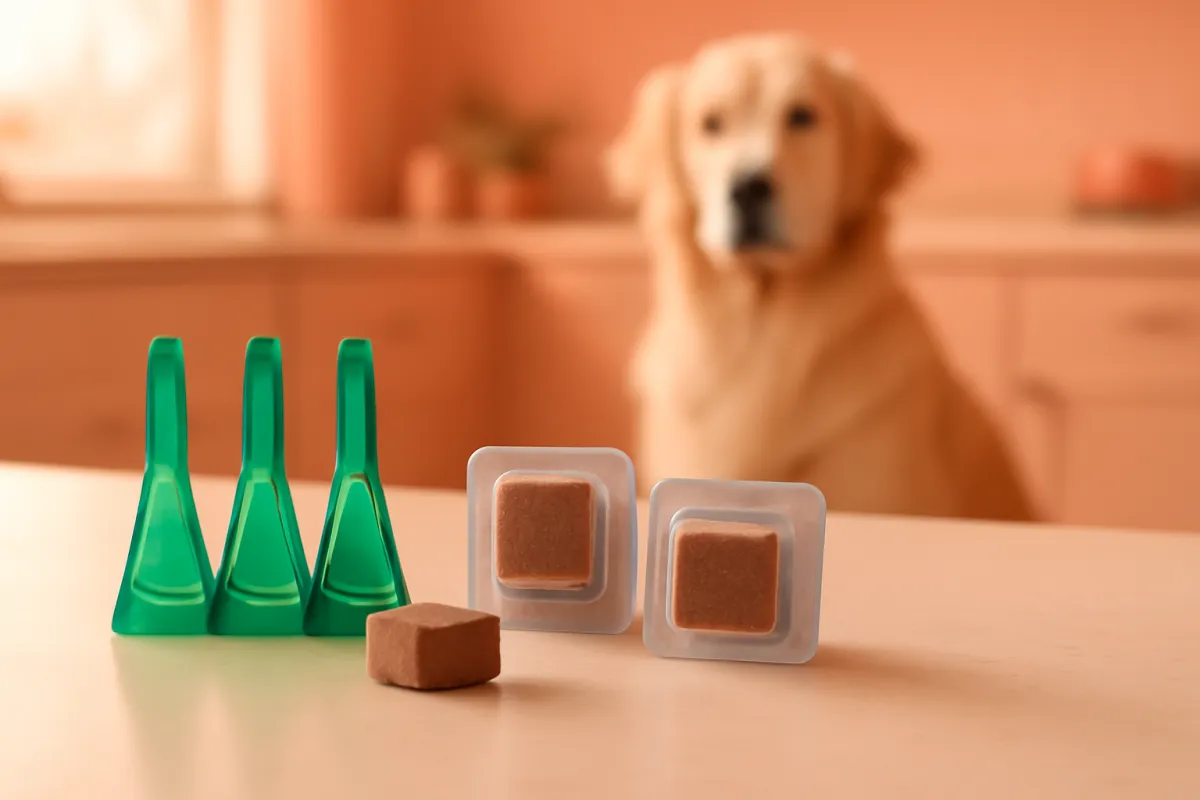
Start with the lever that pays back the most over time, even though it looks like spending rather than saving: keep up your pet’s preventive care. Wellness exams, vaccines, and parasite prevention exist to catch problems while they are small and to stop conditions that are expensive to treat once they take hold. A routine exam that spots an early issue turns what could have been a large treatment bill into a smaller, earlier one, and prevention that keeps a parasite-borne or dental problem from developing at all avoids the bill entirely. The arithmetic that matters here is not this month’s cost; it is the larger cost you did not incur later.
How to do it: keep your pet on the exam and vaccine schedule your vet recommends, stay current on parasite prevention appropriate for your area, and raise any small change in eating, weight, energy, or behavior early rather than waiting to see if it passes. If the routine cost strains your budget, do not drop preventive care; instead move it to a lower-cost setting, a vaccine clinic or a wellness plan, which later steps cover. An illustrative preventive year might catch an issue that would otherwise have grown, and even a modest early intervention can be a fraction of a delayed one, though the exact amounts vary enormously by condition and pet.
The watch-out is the false economy of skipping the checkup to save the visit fee. That saves a little now and removes the single best chance to find a problem while it is cheap, which is the most common way owners accidentally raise their long-term bills. What counts as the right preventive schedule for your specific animal is a veterinary decision, not a budgeting one, so the goal is to keep the care and lower its price, never to cut the care itself. Ask your vet which preventive steps matter most for your pet’s age, breed, and health, and build your budget around keeping those in place.
Step 2: Compare clinics and ask for an itemized estimate upfront
For any planned, non-emergency procedure, the single most powerful money habit is to ask for an itemized estimate in writing before you agree, and then to compare. Prices for the same service can differ meaningfully between clinics, and you cannot see that difference, or question any line on it, unless you have the estimate in hand. An itemized estimate breaks the total into its parts: the exam, each diagnostic test, the anesthesia, the procedure itself, the medications, and any follow-up, so you can see what you are paying for rather than staring at one lump sum.
How to do it: when a non-urgent procedure is recommended, ask the clinic for a written, itemized estimate, and do not be shy about it, because reputable practices provide these routinely. With the estimate in hand you can do three things: understand each line and ask what it is for, ask whether any optional item can be deferred or is truly necessary, and compare the total against another clinic for the same defined service. For a planned procedure, comparing an illustrative estimate at two or three clinics can surface a real difference, and asking questions about the line items sometimes trims optional extras you did not realize were optional. Keep the comparison fair by matching the same scope of care, not just the headline number.
The watch-out is that cheapest is not automatically best, and this step never applies to a true emergency, where you act first and settle cost after. For planned care, a lower price that comes with less monitoring, older equipment, or a rushed follow-up is not the same service, so compare like for like and weigh your vet relationship and the quality of care, not the total alone. Use the estimate as a tool for understanding and fair pricing, not as a race to the bottom. If a number surprises you, ask before you decline; the vet visit cost guide shows what these line items typically include so an itemized estimate reads clearly.
Step 3: Consider pet insurance or a wellness plan
Insurance and wellness plans do not make care cheaper; they change how you pay for it, which for the right owner is its own kind of saving. Pet insurance smooths a large, unpredictable bill into a steadier monthly premium and reimburses a share of covered costs after your deductible, which can turn a frightening emergency total into a partial refund. A wellness plan, offered by some clinics, bundles routine preventive care into a monthly fee, which can make it easier to keep up the prevention from step one. Neither lowers the sticker price; both change the shape and timing of what you pay.
How to do it: decide honestly whether smoothing helps you. If a large surprise bill would be a genuine crisis, insurance moves that risk off your shoulders in exchange for a predictable premium, and enrolling while your pet is young and healthy locks in a lower rate before anything becomes pre-existing. Compare the premium against the bills you might face and against simply banking that premium into a fund, because for a pet that stays healthy the premiums can total more than the claims. Our guide to choosing pet insurance walks the coverage decision, and the worth-it read runs the return against the premiums; if you do enroll, filing a claim well is how you actually get the money back.
The watch-out is treating insurance as a guaranteed saving, because it is not: it is a trade of a known cost now for protection against an unknown cost later. Read any policy’s exclusions, waiting periods, and reimbursement terms before you enroll, because a policy that excludes what your pet is likely to need is not a saving at all. A wellness plan is worth it only if you would use all the bundled services anyway; otherwise you are prepaying for care you may not use. Whether either fits is a personal calculation, so run your own numbers rather than assuming.
Step 4: Ask about generic medications and buy them cheaper
Medication is one of the few places where the same product can cost noticeably different amounts depending on the form you buy and where you fill it, which makes it a reliable spot to trim. Many common pet medications have generic equivalents that contain the same active ingredient at a lower price, and the same prescription can be priced differently at your clinic, at a pharmacy, and at a reputable online pet pharmacy. The savings come from two questions asked at the right time, not from any change to your pet’s treatment.
How to do it: when your vet prescribes a medication, ask whether a generic version exists and whether it is medically appropriate for your pet, then ask for a written prescription so you can compare where to fill it. With the prescription in hand, check the price at your clinic against a pharmacy and a well-established pet pharmacy, because the gap can be worth the small effort of a phone call or two. For an ongoing medication, filling a longer supply or comparing channels each refill can add up across a year, and an illustrative refill compared across sources sometimes reveals a real difference. Keep your vet in the loop on where you fill, so your records stay complete.
The watch-out is safety, which outranks the saving every time. Do not switch medications, change a dose, or split a prescription on your own, because the wrong drug or dose can seriously harm your pet, and whether a generic or a human equivalent is suitable is a veterinary decision, not a shopping one. Buy only from legitimate, licensed pharmacies, because unverified online sellers can ship counterfeit or unsafe product, and a bargain on a fake medication is no bargain. Ask your vet before you change anything about how a medication is filled. Done through your vet, with a real prescription and a reputable pharmacy, this is a clean saving; done carelessly, it is a risk to your pet.
Step 5: Use urgent care instead of the ER when appropriate
A veterinary emergency room is built and staffed to handle life-threatening crises at any hour, and that constant readiness is reflected in its pricing. An urgent care clinic handles problems that need attention soon but are not immediately life-threatening, often at a lower cost, though hours and availability vary by area. Choosing the right level of care for the actual situation can meaningfully change the bill, but the choice is a medical judgment first and a financial one only second, and getting the order wrong is dangerous.
How to do it: before you ever need it, learn what your area offers, your regular vet’s hours, whether an urgent care clinic exists nearby, and where the nearest emergency room is, so you are not researching options during a crisis. When something goes wrong, judge the seriousness honestly: a true emergency, difficulty breathing, severe bleeding, collapse, suspected poisoning, or trauma, means the emergency room without a second thought about cost. A problem that is uncomfortable but stable, and that arose after hours, may be appropriate for urgent care or for waiting until your regular vet opens, which is often less expensive than the emergency room for the same stable issue. When you are unsure how serious something is, call a professional and ask rather than guessing.
The watch-out is obvious but worth stating plainly: never downgrade real urgency to save money. If minutes might matter, the emergency room is the correct and only choice, and hesitating over cost in a genuine emergency is the expensive mistake, not the safe one. The saving in this step comes only from matching a genuinely non-emergency problem to a lower-cost setting, never from talking yourself out of care your pet needs now. Because telling the two apart is hard, lean on a professional’s phone guidance when you are uncertain, and let your vet, not the bill, decide what counts as an emergency.
Step 6: Look into low-cost clinics, vet schools, and assistance programs
Beyond your regular clinic sits a whole tier of lower-cost options that many owners never explore, and for the right service they can cut the price of planned care. Low-cost and nonprofit clinics, vaccine clinics, veterinary teaching hospitals, and assistance programs each serve a role in making care affordable, and matching the right one to the right need is where the saving lives. A vaccine clinic may offer preventive basics at a lower price, a teaching hospital may cost less for some services while a supervised student performs part of the care, and assistance programs may help owners in specific hardship situations.
How to do it: research what exists near you before you need it, because availability differs sharply by region. For routine preventive care, spay and neuter, and vaccines, a low-cost or vaccine clinic is often a natural fit and a common source of savings. For a complex diagnosis or procedure, a veterinary teaching hospital can sometimes offer lower prices alongside specialist oversight, and it is worth asking what services they provide to the public. If you are in genuine financial hardship, look into assistance programs and nonprofit grants, and ask your regular vet’s office whether they know of local resources, because staff often do; our field guide to getting help with vet bills walks that harder situation step by step, from payment plans to charitable funds. Keep your pet’s records consistent across every provider so nothing is missed or duplicated.
The watch-out is scope and legitimacy. A low-cost clinic focused on preventive basics may not be the right place for a complex or urgent problem, so match the option to the service rather than sending every need to the cheapest door. Confirm that any provider is legitimate and licensed, and understand what a teaching-hospital or low-cost setting does and does not include before you go. These options lower the price of the care they are built for; they do not replace the judgment of your regular vet for anything serious. Use them deliberately, for the services they do well, and keep your primary vet relationship intact for continuity.
Step 7: Build a pet emergency fund and ask about payment plans
The unexpected bill is the one that hurts most, not only because of its size but because it arrives when you have no time to shop or plan. A small, dedicated emergency fund changes that: it turns a surprise into a withdrawal instead of a crisis or a high-interest debt, and it means you finance less of any bill that outruns the fund. This step does not lower the price of emergency care, but it lowers what that care ends up costing you once interest and stress are counted.
How to do it: pick a target that would cover a serious but not catastrophic event in your area, then build toward it with small automatic transfers rather than trying to save it all at once, because even a partial fund reduces how much you would need to finance. Keep the money separate from your everyday account so it is not spent by accident, and top it back up after you use it. If a bill outruns your fund, ask the clinic directly, before or at the time of treatment, whether it offers an in-house payment arrangement or works with a medical financing option, and whether it can prioritize the most essential treatment now. An illustrative fund built a little each month competes surprisingly well against paying interest on the same bill later.
The watch-out is financing terms. If you use a third-party medical credit option, read the fine print, because promotional interest-free periods can convert to high interest if the balance is not cleared in time, which can quietly turn a manageable bill into a larger one. A fund you own beats debt you owe, so favor the fund and treat financing as the backstop, not the plan. Some owners pair a fund with insurance from step three, using the fund for the deductible and smaller bills and the policy for the large ones. Whatever the mix, having something set aside is what keeps a surprise bill from becoming a financial emergency on top of a medical one.

Step 8: Keep your pet healthy at home
The last lever is the one that runs every day between vet visits, and over a pet’s life it may prevent more cost than any single tactic on this list: keep your pet healthy at home. Weight management, dental care, and consistent parasite prevention are the three home habits most closely tied to avoidable vet bills, because a lean, dentally cared-for, parasite-protected pet simply faces fewer of the conditions that generate large treatment costs. This is prevention from step one, extended into the daily routine you control.
How to do it: keep your pet at a healthy weight through appropriate portions and exercise, since carrying extra weight is linked to a range of conditions that are costly to manage, and ask your vet what a healthy weight and diet look like for your specific animal. Support dental health with the at-home care your vet recommends, because dental problems left to progress can lead to expensive treatment. Stay consistent with the parasite prevention appropriate for your area and your pet, since prevention is generally far cheaper than treating an established infestation or a parasite-borne illness. None of these replaces professional care; they reduce how often you need the expensive kind.
The watch-out is doing this by guesswork or overdoing it. Home care means following your vet’s guidance on diet, dental routine, and prevention, not improvising restrictive diets, human dental products, or unproven remedies that can do harm. Any change in your pet’s weight, eating, or behavior is a reason to check with your vet, not to self-treat, because the point of home care is to prevent problems and catch them early, not to substitute for a diagnosis. Ask your vet to help you build a home-care routine suited to your pet’s age, breed, and health, and let that routine, kept up consistently, quietly lower your bills for years.
Illustrative savings by tactic (per year)
A rough, illustrative sense of where each lever can trim, scaled to the largest bar. These are planning shapes, not quotes or promises, and the real amounts vary enormously by pet, region, and situation.
Bars scaled to the largest illustrative figure. Insurance and wellness plans are left off because they change how you pay rather than the price, so their effect varies too widely to chart. Every figure is illustrative and varies widely.
A worked example: one illustrative vet year, trimmed
Make it concrete with one illustrative case. Max is a healthy adult dog, and his owner tallies up a typical year of care: an illustrative 1,500 dollars across a wellness exam and vaccines, parasite prevention, a dental cleaning, a couple of minor sick visits, and medications bought at the clinic. Nothing here is an emergency; it is an ordinary year. The owner decides to keep every bit of the care but pay less for it by combining a few of the levers above, without dropping anything Max actually needs.
Here is where the year lands after the changes. The owner keeps preventive care fully in place, because that is the last thing to cut, and moves the routine vaccines to a low-cost vaccine clinic, an illustrative saving of around 120 dollars. When the vet prescribes an ongoing medication, the owner asks whether a generic exists, confirms it is appropriate, gets a written prescription, and fills it at a reputable pet pharmacy instead of the clinic, an illustrative 150 dollars saved across the year. For the dental cleaning, the owner asks for an itemized estimate and compares two clinics for the same defined service, trimming an illustrative 180 dollars. Those three moves alone cut roughly 450 dollars from the year, taking Max’s illustrative 1,500 dollar year down to about 1,050 dollars, for the same care.
The rest of the plan is insurance against the year not being ordinary. The owner keeps a small emergency fund topped up, so that if Max had swallowed something or split a paw after hours, the choice between urgent care and the emergency room would be made on the medicine, not the panic, and any large bill would be partly saved for rather than fully financed. Max stays lean and on a home dental routine his vet approved, which does not show up as a line item this year but is the quiet reason the sick visits stayed minor. Same dog, same standard of care, a lighter bill, and a cushion under the unexpected. Run your own annual spend through the companion below to see your version of these numbers.
Where an illustrative vet year goes
How Max's illustrative 1,500 dollar ordinary year splits across the main categories of routine care. Seeing where the money goes shows which levers attack which slice, which is where the savings come from.
The five segments sum to 100 percent of the illustrative 1,500 dollar year. Proportions are illustrative and vary widely by pet, age, and region; a senior or a pet with a chronic condition shifts far more weight onto medications and sick visits.
Common mistakes when trying to lower vet bills
Most attempts to save on vet care go wrong in a handful of predictable ways, and every one of them either costs more later or puts the pet at risk. Watch for these:
- Skipping preventive care to save now. This is the classic false economy: dropping the checkup, the vaccine, or the parasite prevention saves a little this month and removes the early catch that keeps a small problem cheap. Keep the care and lower its price instead.
- Not asking for an itemized estimate. Agreeing to a lump-sum total for a planned procedure means you cannot see, question, or compare any line of it. Always ask for the itemized version before a non-emergency procedure.
- Overspending in an emotional emergency. A crisis is the worst time to make a calm cost decision, which is exactly why you learn your urgent care and emergency options, and build a fund, before you need them. Never downgrade a true emergency to save money, but do not default to the emergency room for a stable, non-urgent problem either.
- Buying brand medications at the clinic without asking. If you never ask whether a generic exists or whether a written prescription could be filled cheaper elsewhere, you may be paying more than you need to for the exact same treatment. Ask your vet, then compare pharmacies.
- Having no emergency fund. With nothing set aside, a surprise bill becomes high-interest debt, so the care ends up costing far more than its sticker price once interest is counted. Even a small, growing fund changes that math.
- Chasing the cheapest option at the expense of care. The goal is fair prices for the same care, not the lowest number regardless of quality. A bargain that means less monitoring, an unverified pharmacy, or a skipped diagnosis is not a saving.
Troubleshooting: surprise bills, chronic conditions, senior pets, and tight budgets
What if I am hit with a surprise big bill right now? First, care for the pet; the money conversation comes second, but it can happen at the same time. Ask the clinic directly whether it offers a payment arrangement or works with a medical financing option, and whether the most essential treatment can be prioritized now with the rest scheduled. Read any financing terms closely, because a promotional interest-free period can convert to high interest later. If you have any emergency fund, this is what it is for. Going forward, an itemized estimate and a fund turn the next surprise into something you can plan around rather than absorb in a panic.
What if my pet has a chronic condition? Ongoing conditions shift the math toward medications and repeat visits, so the levers that matter most are generic medications filled at a lower-cost pharmacy, consistent home care to keep the condition stable, and a clear conversation with your vet about which monitoring is essential and which is optional. Ask whether a longer medication supply or a specific management plan lowers the running cost. If the condition predates any insurance, it is likely excluded as pre-existing, so lean on the fund, the pharmacy comparison, and your vet’s guidance rather than expecting a policy to cover it.
What if I have a senior pet? Older pets tend to need more frequent care and more medication, and much of what keeps their costs down is early detection, because catching an age-related issue while it is small is both better for the pet and cheaper to manage. Keep up the exams your vet recommends rather than stretching them to save, use generics and low-cost settings where appropriate, and talk openly with your vet about prioritizing the care that most affects your pet’s comfort and quality of life. Home care that keeps a senior comfortable and mobile can reduce avoidable visits.
What if my budget is genuinely tight? Be honest with your vet’s office, because they would rather help you find a workable path than have a pet go untreated. Ask about low-cost clinics, assistance programs, and nonprofit resources, prioritize the most essential preventive and treatment steps rather than dropping care entirely, and use generics and payment arrangements where they exist. The order to protect is prevention and essential treatment first; the things to trim are price, setting, and timing, never the care your pet genuinely needs. For the bigger question of whether insurance would ease a tight budget or strain it, our worth-it read works through the trade.
Your vet bill savings checklist
Save this and work down it as you set up your own plan:
- Keep preventive care on schedule: exams, vaccines, and parasite prevention your vet recommends, at a lower-cost setting if needed.
- Ask for an itemized written estimate before any planned, non-emergency procedure, and compare it fairly across clinics.
- Decide honestly whether pet insurance or a wellness plan fits your situation, and read the exclusions before enrolling.
- Ask your vet whether a generic medication exists and is appropriate, then get a written prescription and compare pharmacies.
- Learn your regular vet's hours, your nearest urgent care, and your nearest emergency room before you need them.
- Reserve the emergency room for true emergencies, and never downgrade real urgency to save money.
- Research local low-cost clinics, vaccine clinics, teaching hospitals, and assistance programs, and match each to the right service.
- Build a small emergency fund with automatic monthly transfers, and top it back up after you use it.
- Ask about payment arrangements or financing before treatment if a bill outruns your fund, and read the terms.
- Keep your pet healthy at home: weight, dental, and parasite prevention, all guided by your vet.
- Any change in weight, eating, energy, or behavior is a reason to ask your vet, not to self-treat.
The bottom line
Lowering your vet bills is not about spending less on your pet; it is about paying a fair price for the same care and preventing the expensive problems that good habits head off. Keep preventive care and healthy home routines in place, because the cheapest bill is the one you never get. Ask for itemized estimates and compare clinics for planned care, ask about generic medications and a cheaper pharmacy, match the level of care to the actual urgency, and lean on low-cost clinics and assistance programs for the services they do well. Then build a small fund so the unexpected bill is a withdrawal rather than a debt. No single one of these is a magic discount, and combined they will never make serious illness cheap, but together they trim the routine spend, keep small problems small, and soften the blow of the surprise. Pick the levers that fit your pet and your budget, keep your vet in the loop on every decision, and revisit our vet visit cost breakdown, guide to choosing pet insurance, and worth-it read as you go, then run your own annual spend through the companion below.
One honest word from the MuttMark pack before you start trimming: this field guide exists to help you plan around the cost of your own pet’s care, and nothing in it is veterinary, financial, or insurance advice. Every dollar figure, saving, and proportion here is an illustrative planning shape rather than a quote, a promise, or an amount you should expect, and real costs vary widely by pet, age, health, region, and clinic. The one rule that overrides every tip above is that you never lower a bill by giving your pet less care than it needs: the goal is a fair price for the same care, not less care. Any decision about medications, procedures, preventive schedules, emergencies, or your pet’s health belongs with your own veterinarian who can examine the animal at your feet, so ask your vet rather than a field guide whenever the question is about your pet’s wellbeing.
Frequently asked questions
How can I lower my vet bills?
You lower vet bills by combining several habits rather than chasing one trick. Keep up preventive care so small problems are caught while they are still cheap to treat, ask any clinic for an itemized estimate before a non-emergency procedure and compare it, and use pet insurance or a wellness plan if the math fits your situation. Ask your vet whether a generic version of a prescribed medication exists and whether you can fill it at a lower-cost pharmacy with a written prescription, use an urgent care clinic instead of the emergency room when the situation is genuinely not an emergency, and look into low-cost clinics, veterinary teaching hospitals, and assistance programs for planned care. Build a small emergency fund so a surprise bill is a withdrawal rather than a crisis, and keep your pet healthy at home through weight management, dental care, and parasite prevention. Every figure in this field guide is illustrative and varies widely, and none of it is a substitute for your own vet's advice on your specific animal.
Does pet insurance actually save money on vet bills?
It depends on your pet, your budget, and your luck, so there is no single answer that fits everyone. Pet insurance does not lower the price of care; it smooths a large, unpredictable bill into a steadier monthly premium and reimburses a share of covered costs after your deductible. For an owner who faces a big emergency or a chronic condition, that can mean getting a meaningful portion of a large bill back. For an owner whose pet stays healthy, the premiums may total more than the claims over a given year. The honest way to decide is to compare the premium you would pay against the bills you might face and against simply banking that premium into a fund. Our worth-it read walks through that comparison in detail. Whether insurance saves you money is a personal calculation, not a guarantee, so run your own numbers and read any policy's exclusions and waiting periods before you enroll.
Can I get generic medications for my pet?
Often, yes, but not always, and only your vet can tell you whether a generic is appropriate for your pet's specific prescription. Many common pet medications have generic equivalents, and some human generic drugs are prescribed for animals at pet-appropriate doses. Ask your vet two questions: whether a generic version of the prescribed medication exists, and whether it is medically suitable for your pet. If it is, ask for a written prescription so you can compare prices at your clinic, at a pharmacy, and at a reputable pet pharmacy, because the same medication can be priced very differently across those channels. Do not switch medications, change doses, or buy from an unverified seller on your own, because the wrong drug or dose can harm your pet and an unsafe pharmacy can sell counterfeit product. The savings are real when a generic is available and appropriate, but the decision is a veterinary one, so ask your vet first.
What is the difference between urgent care and the ER for my pet?
A veterinary emergency room is equipped and staffed for life-threatening situations around the clock, and that level of readiness is reflected in its pricing. An urgent care clinic handles problems that need attention soon but are not immediately life-threatening, often at a lower cost than the emergency room, though availability and hours vary by area. The distinction that matters is medical, not financial: some situations are true emergencies where minutes count, and in those cases you go to the emergency room without hesitating over cost. For a problem that is uncomfortable but stable, an urgent care visit or waiting for your regular vet to open may be both appropriate and less expensive. The hard part is telling the two apart, and that is a judgment you should not make alone. Know your nearest emergency and urgent care options before you need them, and if you are unsure how serious something is, call a professional rather than guessing.
Are low-cost vet clinics any good?
Low-cost clinics, vaccine clinics, nonprofit clinics, and veterinary teaching hospitals serve a real role in making care affordable, and many provide good care for the services they offer. What varies is scope: a low-cost vaccine clinic may focus on preventive basics like vaccines and parasite prevention rather than complex diagnostics or surgery, and a teaching hospital may cost less for some services while a supervised student performs part of the care. The right way to use these options is to match them to the service you need: routine preventive care, spay and neuter, and vaccines are common low-cost offerings, while a complex or urgent problem may still belong with your regular vet or a specialist. Check what each option covers, confirm it is a legitimate and licensed provider, and keep your pet's records consistent across providers so nothing falls through the cracks. Availability differs by region, so research what exists near you before you need it.
How much should I keep in a pet emergency fund?
There is no universal number, because it depends on your pet, your area's costs, and what you can realistically set aside, so treat any figure as illustrative. The idea is to have enough on hand that a surprise vet bill is a withdrawal rather than a crisis or a high-interest debt. A common approach is to pick a target that would cover a serious but not catastrophic event, then build toward it with small automatic transfers rather than trying to save it all at once. Even a partial fund helps, because it reduces how much you would need to finance and therefore how much interest you might pay. Some owners pair a fund with insurance, using the fund for the deductible and smaller bills and the policy for large ones. The right target is personal, so set a number you can actually reach, start with whatever you can, and let it grow. Confirm typical emergency costs in your area rather than assuming a figure.
Does skipping preventive care save money?
It usually does the opposite over time, which is why cutting preventive care is one of the most common ways owners accidentally raise their long-term bills. Preventive care, wellness exams, vaccines, parasite prevention, and dental care, is designed to catch problems while they are small and to prevent conditions that are expensive to treat once established. Skipping it can save a little in a given month, but it removes the checkups where an early, cheaper-to-treat issue would have been found, and it raises the odds of a larger bill later. That said, the specifics of what preventive care your pet needs and how often are veterinary decisions, not budget decisions, so the goal is to find lower-cost ways to keep up preventive care, through low-cost clinics or wellness plans, rather than dropping it. If money is tight, talk to your vet about prioritizing the most important preventive steps rather than skipping care entirely.
Can I ask my vet for a payment plan?
You can ask, and many owners do, though whether a plan is available depends entirely on the clinic. Some veterinary practices offer in-house payment arrangements or work with third-party medical financing, while others do not and expect payment at the time of service. The time to ask is before or at the moment of treatment, calmly and directly, rather than after the fact. If your clinic uses a financing option, read the terms closely, because promotional interest-free periods can convert to high interest if the balance is not cleared in time, which can turn a manageable bill into a larger one. Other avenues worth asking about include assistance programs, nonprofit grants for specific situations, and whether the clinic can prioritize the most essential treatment now and schedule the rest. Discuss cost openly with your vet's office; a good practice would rather work out a plan than have a pet go untreated. Terms and availability vary, so confirm the details before you commit.