

What's on this page
- The short answer: what a British Shorthair costs
- British Shorthair purchase price: breeder versus adoption
- What drives the price of a registered British Shorthair kitten
- British Shorthair purchase price by source
- What a responsible British Shorthair breeder should include
- Adoption, breed rescue, and the adult cat route
- The first-year cost of a British Shorthair
- Ongoing annual cost of a British Shorthair
- A sturdy cat with a laid-back appetite
- Feeding a stocky, easy-keeper cat
- Litter, boxes, and everyday supplies
- The coat: moderate maintenance, not high
- Routine vet care and preventatives
- Health conditions veterinarians commonly discuss
- Hypertrophic cardiomyopathy and the screening conversation
- Weight, joints, and the cost of carrying extra pounds
- Pet insurance for a British Shorthair
- Where a British Shorthair’s lifetime cost goes
- The lifetime cost of a British Shorthair
- How a British Shorthair compares to an average house cat
- An illustrative year with a British Shorthair
- How to keep British Shorthair costs down
- Is a British Shorthair worth the cost?
- How this fits your bigger pet budget
- The bottom line
Short answer: A pet-quality British Shorthair kitten from a registered breeder commonly runs an illustrative $900 to $2,200, and shelter or breed-rescue adoption roughly $150 to $400 when a cat is available. The ongoing cost is shaped by the breed's stocky size and its laid-back, easy-to-overfeed temperament more than by its coat, which is moderate maintenance rather than high. An illustrative lifetime total commonly lands around $16,000 to $32,000 or more.
The cost of a British Shorthair cat is a moderate purchase price attached to a long, stocky, famously placid commitment, and the commitment is where the real money goes. A pet-quality kitten from a registered breeder commonly runs an illustrative $900 to $2,200, with rare colors and show lines above that and a rescue placement a fraction of it. What decides the real total is the twelve to seventeen years that follow, because this is a solidly built cat with a calm, food-loving temperament that most owners end up managing around, more than a demanding coat or a difficult personality.
This cost read prices both halves honestly. It works through what moves the purchase price and what a registered breeder should include, then the first-year and ongoing annual totals, then the lines that make this breed specifically worth budgeting for rather than generically pedigree: the breed’s build and its genuine weight-gain tendency, the plush double coat and what it actually needs, and the heart condition veterinarians commonly discuss for the breed. It closes on the lifetime total, with a British Shorthair cost calculator so you can turn these ranges into your own number. It sits alongside our Maine Coon cost read and our Persian cost read, and above the general baseline in our yearly cat cost read.
Key takeaways
- A registered-breeder British Shorthair commonly runs an illustrative $900 to $2,200 for a pet-quality kitten; shelter or breed-rescue adoption is roughly $150 to $400 when a cat is available.
- The breed's stocky build and famously laid-back temperament make it genuinely easy to overfeed, so portion discipline matters more here than for a more active cat.
- The dense double coat is moderate maintenance, a weekly brush handles most of it, which makes this breed cheaper to groom than a long-haired pedigree despite its plush look.
- Veterinarians commonly discuss hypertrophic cardiomyopathy in connection with the breed; ask a breeder which parent cats were screened and ask to see the results.
- An illustrative lifetime total commonly lands around $16,000 to $32,000 or more. Every figure here is illustrative, varies widely, and is not a quote.
The short answer: what a British Shorthair costs
For the purchase there are two very different routes. From a registered breeder, a pet-quality British Shorthair kitten commonly runs an illustrative $900 to $2,200, set by the cattery’s screening and rearing practice, local demand, and the kitten’s color. The classic blue British Shorthair sits in the middle of that range, while rarer colors such as lilac, chocolate, or golden commonly sit above it. From a shelter or breed rescue, adoption commonly runs an illustrative $150 to $400, usually bundling the neuter, vaccines, and a microchip, though a genuine pedigree British Shorthair reaches rescue far less often than a stocky shorthair cat of uncertain parentage does.
The purchase answers only the first question. What a British Shorthair truly costs is decided across the following decade and a half by three things the sticker hides: size, which modestly lifts the food and weight-dosed medication lines; temperament, because a calm, food-motivated cat that is not especially active is genuinely prone to carrying extra weight if portions are not watched; and a plush double coat that needs regular but not intensive attention.
The rest of this cost read prices those layers. It gives illustrative purchase, first-year, ongoing, and lifetime ranges, explains what drives each one, and stays honest about what nobody can promise in advance. Treat every dollar figure as a planning range rather than a quote, and route any specific medical question to a veterinarian who can examine your cat. Drop your own numbers into the cost calculator as you read.
British Shorthair purchase price: breeder versus adoption
The biggest fork in the purchase price is where the cat comes from. A registered breeder prices a kitten to reflect real costs: cardiac screening of the breeding cats, registration with a cat association, veterinary care through pregnancy and the first weeks, early vaccination, deworming, and the weeks of handling that produce a kitten comfortable being touched and brushed. Spread across a modest number of litters a year, an illustrative $900 to $2,200 is a normal pet-quality range rather than a premium, with the classic blue coloring near the middle and rarer colors pushing toward the top.
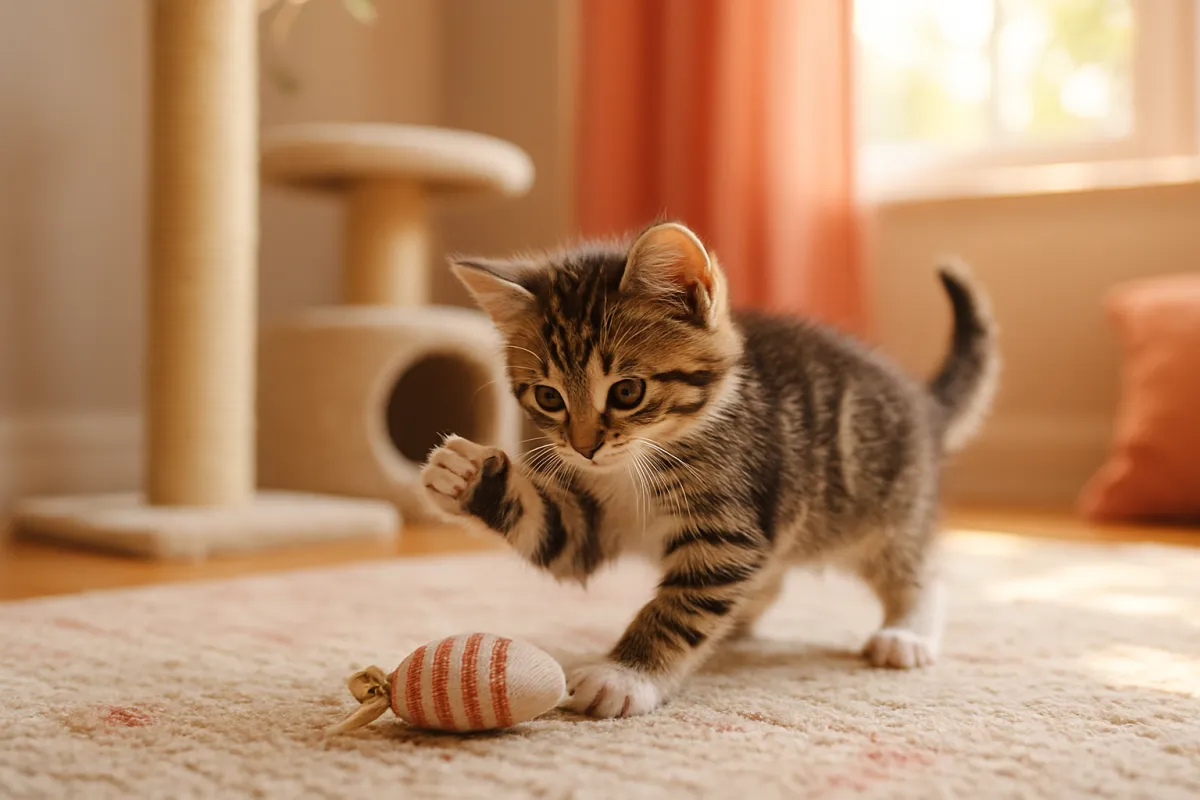
Adoption sits at the other end, an illustrative $150 to $400, with the usual pedigree catch. Purebred British Shorthairs reach shelters less often than mixed-breed cats, and breed-specific rescues often keep waiting lists. What shelters do see with some regularity is the stocky, round-faced, grey or blue-grey shorthaired cat of unknown ancestry, sometimes described hopefully as a British Shorthair mix, and there is nothing at all wrong with that cat, it will simply be what it is rather than what a pedigree certifies.
The tier to avoid is the seller who will not show you anything. A kitten priced far below the local market, offered without screening records, without registration paperwork, or pressed on you before the usual age most breeders release kittens, is a warning rather than a bargain. Kittens separated too young are more prone to behavioral problems, and cats bred without screening carry more of the cardiac risk that screening exists to reduce.
What drives the price of a registered British Shorthair kitten
Three forces set the price of a well-bred British Shorthair kitten, and none of them is arbitrary. The first is the cost of breeding responsibly. Cardiac screening of breeding cats is not a cheap, one-time test; it can involve imaging by a specialist and repeat examinations across a breeding cat’s working life, all paid before a single kitten exists. Add veterinary care through pregnancy, birth, and the early weeks, plus registration, vaccination, and deworming, and the invoice behind a litter is substantial.
The second is time. A cat that will need brushing, nail trims, and comfortable handling for its entire life is far easier to live with if somebody spent the early weeks making all of that ordinary. Kittens raised underfoot in a home, handled daily, and exposed to household noise and other animals are materially easier cats, and the difference shows for years. That time is part of what the price buys.
The third is color and demand. The breed’s classic plush blue coat is iconic and keeps demand steady, while rarer colors such as lilac, chocolate, cinnamon, or golden command a premium purely because fewer breeders produce them. None of that buys certainty about health, which is why the cardiac screening question matters more than the color on the listing.
British Shorthair purchase price by source
Put the routes side by side and the shape of the purchase decision becomes clear. The figures below are illustrative midpoints for each route rather than quotes, and every one of them moves with your region, the cattery, and whatever happens to be available when you are looking.
Illustrative British Shorthair purchase price by source
Representative up-front price to acquire a British Shorthair, by route. Illustrative, and varies widely by breeder, region, color, lines, and demand.
Rescue sits far below because the fee covers care rather than breeding cost. Breeder prices climb with rarer colors and show lines, but even a pet-quality classic blue kitten reflects the screening, veterinary care, and rearing behind an ethical litter.
Read those bars as the shape of a decision rather than as a price list. The step from a pet-quality classic blue kitten to one in a rare color or from established show lines mostly buys rarity and pedigree, not a different animal in any practical sense. The step down to adoption buys a cat whose adult size and temperament are already visible, at the cost of waiting for one to appear.
What a responsible British Shorthair breeder should include
Comparing two kittens on price alone is meaningless until you know what each one includes, because the gap between catteries is mostly a gap in what has already been paid for. A well-run breeder typically sends a kitten home with its early vaccinations on the schedule the cattery’s veterinarian recommends, deworming completed, a microchip registered to you, a written health record you can hand to your own veterinarian, and registration paperwork with a cat association.
Several other inclusions are common and worth asking about explicitly. Many breeders hold kittens until a later age than the twelve weeks people expect, since this is commonly described as a slower-maturing breed, and several neuter before placement so that a pet-quality kitten never breeds, which removes a real line from your first-year budget. Some include a short period of insurance cover, a small bag of the food the kitten is already eating, and a written contract setting out what happens if the placement does not work.

The most valuable inclusion is the cardiac screening record of the parent cats and a breeder who will name the testing, show you the results, and answer a follow-up question two years from now. A kitten that costs a few hundred dollars more from a breeder who does all of this is often the cheaper cat by the end of year one, before any of the harder-to-price benefits are counted.
Adoption, breed rescue, and the adult cat route
Adoption deserves a proper look rather than a footnote, because for a lot of households it is the better route and not merely the cheaper one. An illustrative $150 to $400 fee at a shelter or breed rescue usually covers a neuter, an initial vaccination course, a microchip, and a basic health check, which are lines you would otherwise pay for in the first months. That makes the real gap against a breeder kitten wider than the sticker suggests.
Breed rescues exist for this breed and take in surrendered cats for the ordinary reasons: a household move, an allergy, a change in circumstances, or an owner who did not expect how much a laid-back cat could overeat without exercise to burn it off. Those cats are frequently adult, frequently already neutered, and frequently come with a description of how they actually behave and eat in a home. The strongest argument for an adult cat is information: a kitten is a forecast, while a five-year-old cat is a fact, you can see its adult size, its weight history, and its tolerance for handling. Our cat budgeting read covers how to stage the costs either way.
The first-year cost of a British Shorthair
Year one is the expensive twelve months, because it stacks the purchase, the setup, and the early veterinary care on top of a full year of food. Beyond the kitten price, plan for the setup: litter boxes and litter, food and water bowls, a sturdy carrier, scratching surfaces, a bed, grooming tools, and at least one piece of climbing furniture rated for a solidly built cat. An illustrative starter setup commonly lands somewhere around $350 to $650.
Then the early veterinary care. A kitten needs its vaccination series completed, deworming, a wellness examination, parasite prevention, a microchip if the breeder has not already fitted one, and a spay or neuter if it has not been done before placement. Our cat vaccination cost read prices the kitten and adult schedules in detail, and our spay and neuter cost read prices the procedure that is commonly the largest single veterinary line of year one.
Add a year of food and litter and the picture is complete. Combining a mid-range breeder purchase with setup and first-year veterinary care, an illustrative first-year total commonly lands somewhere around $3,200 to $5,200, most of it front-loaded into the first few months. An adopted adult skips much of that and often arrives already vaccinated and neutered, which commonly puts the first year nearer an illustrative $1,400 to $2,600.
Ongoing annual cost of a British Shorthair
Once the setup is bought and the kitten series is finished, costs settle into a rhythm. As an illustrative shape, ongoing yearly costs for a healthy adult British Shorthair commonly land somewhere around $1,100 to $2,200, covering food, litter, an annual wellness visit, parasite prevention, coat care, replacement of worn equipment, and insurance if you carry it.
The lower end of that band assumes a settled adult at a healthy weight, home feeding on a mid-range diet, home brushing, and no insurance. The upper end reflects a cat whose weight needs active management, insurance premiums, and the extra veterinary visit that any cat eventually generates. Neither end includes a bad year, which is exactly why both are stated. The honest planning advice is to budget the recurring number and hold a separate cushion for the years that are not typical. Our monthly cat cost read breaks the recurring side down month by month, and this breed sits toward the middle of the ranges it describes.
A sturdy cat with a laid-back appetite
Here is the trait that quietly shapes this breed’s budget more than anything else, and it is less about size than about temperament. British Shorthairs are commonly described by owners and veterinarians alike as calm, easygoing, and not especially athletic once past kittenhood, happy to spend much of the day settled in one spot. That is exactly the personality that makes a cat genuinely easy to overfeed, because the usual warning signs of an active cat eating too much, restlessness or begging that burns off anyway, simply are not there to offset the extra calories.
The practical consequence is that portion discipline matters more for this breed than for a more active cat, and weighing food rather than eyeballing it, and resisting the urge to free-feed a cat that always seems interested in more, are the single highest-return habits an owner of this breed can build. A British Shorthair that is allowed to gain weight carries that weight on a frame already built to look stocky, which can mask the early stages of a weight problem until it is well established.
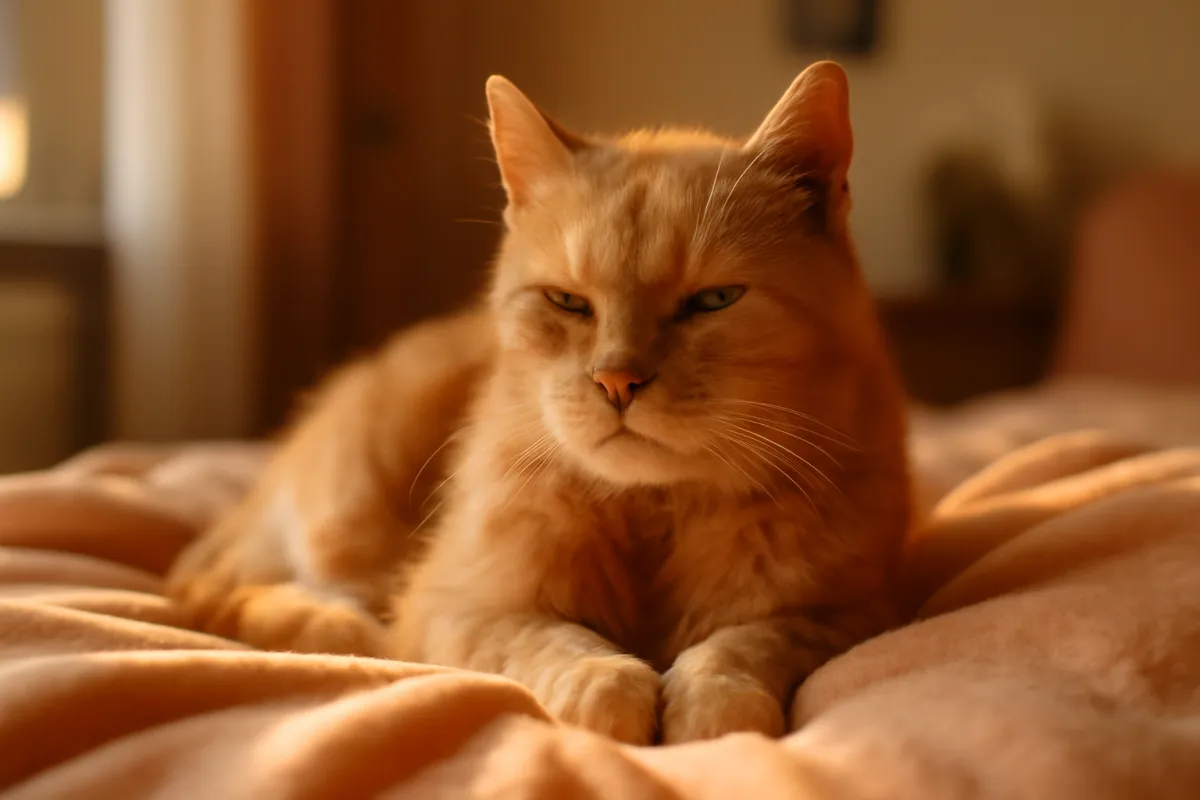
There is a second, less obvious consequence. Because the breed’s round face and dense coat already give it a naturally fuller look, owners and even casual observers sometimes miss real weight gain for longer than they would in a leaner-looking cat. Regular weigh-ins, either at home on a kitchen scale or at routine vet visits, catch the trend before it becomes a joint or metabolic problem, which is a far cheaper place to intervene than after the fact.
Feeding a stocky, easy-keeper cat
Food itself is a moderate line, lifted mainly by the breed’s size rather than by anything exotic in the diet. Adult British Shorthairs are commonly described as reaching an illustrative 9 to 18 pounds, with males notably heavier than females, against roughly 8 to 10 pounds for a typical domestic shorthair. Portions are set by target weight and activity rather than by breed, so a cat carrying more body mass on a frame built to carry it eats somewhat more than an average cat, every day, for well over a decade.
As an illustrative figure, quality food for an adult British Shorthair commonly runs somewhere around $40 to $70 a month, a modest step above a smaller average cat’s food bill rather than a dramatically different one. The bigger swing, as with most cats, is the diet you choose rather than the breed you own, and the gap between a supermarket dry food and a premium wet or mixed diet is wider than the gap between an average cat and a larger one on the same food.
One practical note belongs here specifically because of the breed’s temperament: a weight-management or portion-controlled formula, chosen in consultation with a veterinarian once a cat trends toward overweight, is a realistic and not-uncommon part of this breed’s feeding story, and it is a conversation worth having proactively rather than only after a weigh-in raises a concern.
Litter, boxes, and everyday supplies
Litter is the second recurring line, and for a larger-bodied cat it runs a little above what a small cat needs, since a bigger cat produces more waste and a box fills faster. The general recommendation for any household is one box per cat plus a spare, and a box with enough room for a solidly built cat to turn around comfortably is worth buying slightly larger than the standard size, since a cramped box can discourage reliable use.
Clumping, crystal, and plant-based litters differ substantially in price and in how often they need full replacement, so a good part of this line is a choice rather than a fixed cost, and scooping daily keeps litter usable longer while catching changes in output early, a genuinely useful habit for any cat and a cheap one. The overall litter and basic supply line for this breed is close to what an average indoor cat needs, with only a modest size-driven premium rather than anything dramatic.
The coat: moderate maintenance, not high
The coat is where this breed’s reputation can mislead a first-time owner. British Shorthairs carry a dense, plush double coat that looks and feels substantial, and it is genuinely one of the breed’s signature features, but it is commonly described as carrying relatively little of the fine, easily tangled undercoat that makes a Persian’s or a Ragdoll’s longer fur mat so readily. The practical result is that this is a moderate, not a high, maintenance coat.
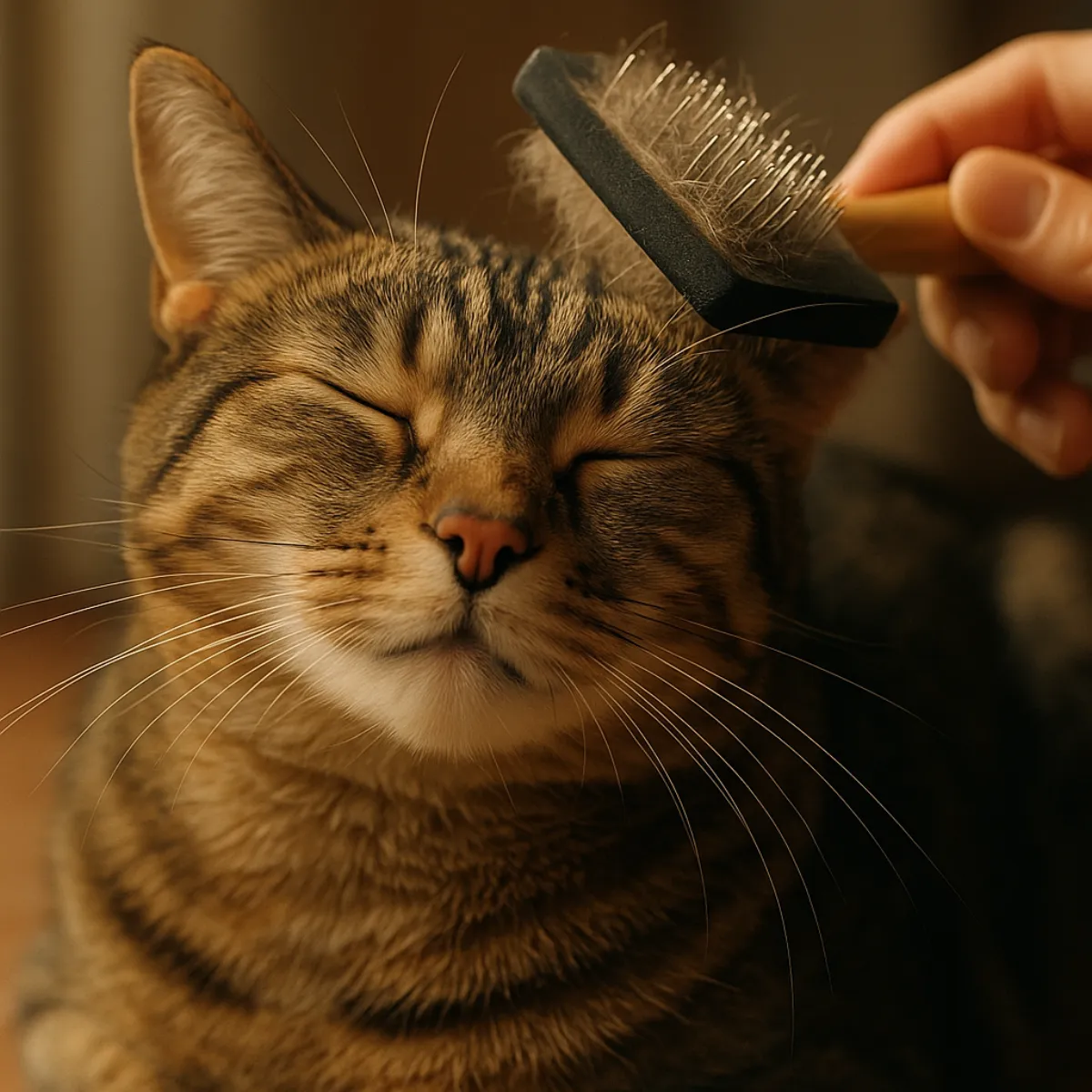
A weekly brush with a steel comb or a rubber curry brush handles most of what this coat needs for the majority of the year, and most owners manage it entirely at home with an inexpensive tool and a few minutes a week. During seasonal coat changes, typically spring and autumn, shedding increases noticeably, and brushing two or three times a week during that window keeps loose hair from accumulating on furniture and reduces the hairballs that come with a cat grooming itself through a heavier coat. Nail trims and the occasional ear check round out the routine.
Professional grooming is an occasional convenience for this breed rather than a near-necessity, and plenty of owners never book one. When they do, it is typically for a thorough de-shed during a heavy seasonal coat change rather than to manage mats the way a longer-coated breed’s owner would. Budget for the tools and your own time as the baseline, with a professional visit as an optional extra during the heaviest shedding window.
Routine vet care and preventatives
Routine veterinary care for a British Shorthair is priced much like routine care for any cat, which is the reassuring part of this budget. An annual wellness examination, vaccine boosters on the schedule your veterinarian recommends, parasite prevention appropriate to your region and to an indoor lifestyle, and periodic dental attention make up the predictable core. Our vet visit cost read prices the examination itself, and our cat vaccination cost read covers the shot schedule.
One line runs a little higher for a larger-bodied cat: any medication dosed by body weight costs more for a heavier animal, which applies to some parasite preventatives and to anything prescribed later in life. Dental disease deserves its own mention because it is common in cats generally and expensive once it is finally addressed. A dental procedure under anesthetic, with radiographs and any extractions, is one of the larger routine-adjacent bills a cat owner meets. Our cat teeth cleaning cost read covers what drives that bill. The discipline is the same across every breed: keep the routine visits so something small is found while it is still small.
Health conditions veterinarians commonly discuss
British Shorthairs are generally regarded as a healthy, robust breed and most live long lives, but like every pedigree there are conditions the breeding community screens for and that veterinarians commonly raise. The one that comes up most consistently is hypertrophic cardiomyopathy, a thickening of the heart muscle seen across many cat breeds and in mixed-breed cats too. The second, less a disease than a tendency, is the breed’s genuine propensity toward weight gain, which over time raises the odds of joint strain and weight-related metabolic conditions.
Two honest caveats belong with that list before you read further. First, naming a condition associated with a breed says nothing about whether a particular cat will develop it. Screening and weight management both reduce risk rather than removing it, and plenty of cats from screened lines kept at a healthy weight live entirely ordinary lives. Second, this article cannot tell you anything about your own animal. Any specific concern about a cat’s heart, breathing, energy, weight, or comfort belongs with a veterinarian who can examine it, and promptly rather than eventually.
Hypertrophic cardiomyopathy and the screening conversation
Hypertrophic cardiomyopathy is a thickening of the heart muscle that is seen across many cat breeds, and it is the condition most often named in connection with pedigree cat screening generally. For this breed, the screening conversation typically involves periodic cardiac imaging performed by a veterinary cardiologist on the breeding cats, since imaging is how the condition is actually assessed in this context.
What matters for a buyer is what the breeder can show you rather than what they say. Ask which parent cats were screened, when, by whom, and what the results were, and ask to see the documentation. A breeder who screens will have this to hand and will not mind the question. A breeder who becomes vague at this point has answered it anyway. Screening is not a guarantee, and an ethical breeder will tell you that themselves rather than promising a healthy cat.
For an owner, the practical posture is ordinary vigilance rather than anxiety. Keep annual wellness visits so that a veterinarian listens to the heart regularly, and treat changes in breathing, energy, or appetite as a reason to book an appointment rather than to search online. This article names the condition so you know what to ask about, and nothing here is a diagnosis, a prediction, or a statement about the likelihood of anything in any individual cat.
Weight, joints, and the cost of carrying extra pounds
If cardiac screening is the condition breeders test for, weight is the condition owners largely control, and it belongs in a cost article because sustained extra weight has real downstream financial consequences. A cat carrying meaningful excess weight puts additional strain on joints over years, raises the odds of conditions like diabetes, and can complicate anesthesia and recovery if surgery is ever needed for an unrelated reason. None of that is specific to this breed in the sense of a genetic predisposition the way hypertrophic cardiomyopathy is, but the breed’s calm, food-loving temperament makes reaching an unhealthy weight more likely here than in a more active cat.
The good news is that this is the most controllable health line in the entire budget. Measured portions, resisting free-feeding, regular weigh-ins, and interactive play to encourage at least some activity from an otherwise sedentary cat are all free or nearly free, and they are the highest-return habits an owner of this breed can build. A veterinarian who flags early weight trends at a routine visit, rather than only discussing weight once it has become a clinical problem, is doing some of the most valuable preventive work this breed’s budget benefits from.
Pet insurance for a British Shorthair
Insurance deserves a real decision rather than a default, and for a pedigree cat the argument is stronger than for an average one. The mechanism is straightforward: a policy converts an unpredictable large bill into a predictable monthly premium, and a policy bought while the cat is young and healthy does that before anything has become a pre-existing condition and therefore excluded. Timing is most of the value, and it is the part people get wrong by waiting, particularly given the breed’s cardiac screening conversation.
Premiums are priced on species, breed, age, location, and the cover level you choose, and pedigree cats can sit above mixed-breed cats because insurers price breed alongside everything else. Our cat insurance cost read explains what moves a feline premium in general terms, and our read on whether cat insurance is worth it works through the decision honestly, including when self-funding is the better answer.
Self-funding is a legitimate alternative, but only in its real form: a separate account receiving a fixed monthly amount that you genuinely do not touch. Whichever route you choose, decide it early, write it down, and revisit it rather than drifting. Toggle the cover setting in the cost calculator to see what the premium does to your own yearly figure.
Where a British Shorthair’s lifetime cost goes
Assemble the pieces and the shape of the spend comes into focus. The proportions below are illustrative shares of a whole lifetime total rather than dollars, and they make the case that the purchase price is the small part of this decision.
Where a British Shorthair's lifetime cost goes
Representative split of an illustrative lifetime total into its main blocks, as shares of the whole. Illustrative shares, not dollars.
Shares move with the cat and the household: a weight-related health issue enlarges the veterinary block, a self-funding owner removes the insurance block and enlarges the veterinary one, and adopting rather than buying shrinks the purchase block to almost nothing.
Two readings matter here. First, the purchase price is under a tenth of the whole, which means a buyer who stretches to afford the kitten and has nothing left for the setup and the first-year veterinary care has budgeted the wrong number entirely. Second, food and litter together are the largest block by a clear margin, and that block runs a little above an average cat’s purely because of the breed’s size, which is the quiet cost of choosing a bigger, stockier breed.
The lifetime cost of a British Shorthair
Adding purchase, first-year setup, and ongoing annual costs across a long feline life, an illustrative lifetime total for a British Shorthair commonly lands somewhere around $16,000 to $32,000 or more. The breed is commonly described as living around twelve to seventeen years, and the width of that range is not vagueness for its own sake, it reflects the two variables that genuinely swing the total: how long the cat lives, and how much veterinary care it needs beyond the routine, weight-related or otherwise.
A cat that lives twelve years, stays lean and well, and needs only routine care sits below the bottom of that band, particularly if it was adopted and is self-funded rather than insured. A cat that lives seventeen years and develops a weight-related joint issue or a cardiac condition requiring ongoing monitoring climbs past the top. Neither outcome is predictable on the day you collect the kitten, which is the argument for planning around the commitment rather than around the best case. Our lifetime cost of a dog read makes the same argument for the other species.
The useful way to hold this figure is as a commitment test rather than a forecast. If a total in that range, spread across more than a decade, sits comfortably alongside your other obligations, the financial side of the decision is sound. If it does not, that is far better to know before a kitten is in the carrier than three years later.
How a British Shorthair compares to an average house cat
Set against an average domestic shorthair, a British Shorthair costs more, but the difference lands in different places than people expect. The purchase is the biggest single gap: an adopted mixed-breed cat costs a fraction of a registered kitten, and that difference alone can be well over a thousand dollars.
The recurring gap is narrower than the purchase gap and is driven mostly by size and temperament rather than by anything exotic. Food portions and the weight-dosed share of medication scale with the animal’s larger frame, and the breed’s laid-back nature makes active portion control a genuine, ongoing task rather than a formality. Coat care adds a modest line a shorthaired average cat barely has at all, though far less than a long-haired breed’s. Routine veterinary care itself is priced much the same as for any cat.
The honest conclusion is that this is a moderately more expensive cat, not a dramatically more expensive one, and that the single highest-leverage difference for most households is behavioral discipline around food rather than any extra dollar line. Our Maine Coon cost read prices a breed where sheer size drives almost everything, and our Persian cost read prices one where coat maintenance dominates, both useful contrasts to a breed whose main cost driver is temperament.
An illustrative year with a British Shorthair
Take one ordinary year with a settled adult and cost it in layers so the annual figure becomes concrete. Every number is illustrative and the method is the actual lesson. Assume a healthy indoor cat at a stable, healthy weight, home fed on a mid-range diet, insured, brushed weekly at home, with one routine wellness visit.
Start with food and litter. A mid-range diet portioned for a larger-bodied cat, plus clumping litter for a single indoor cat with two boxes, illustratively runs somewhere around $600 to $950 for the year. This is the block most sensitive to your portion discipline rather than to the cat itself.
Add the routine veterinary care. A wellness examination, boosters as recommended, and parasite prevention appropriate to an indoor cat illustratively add around $280 to $480, bringing the running total to roughly $880 to $1,430. This assumes nothing goes wrong and the cat’s weight stays on target, which is the assumption that eventually gets tested.
Add insurance and coat care. A pedigree cat’s premium plus a comb, a curry brush, and perhaps one seasonal professional de-shed, illustratively add around $300 to $700, taking the year to roughly $1,180 to $2,130. That sits inside the annual band this cost read uses, built from the bottom up rather than assumed from an average.
The lesson is in what is missing. This example contains no dental procedure, no weight-related health event, and no investigation of a worrying symptom, and any one of those would add a line larger than several of the ones above combined.
How to keep British Shorthair costs down
There are honest ways to reduce the total, and most of them are about buying well and managing weight rather than buying cheaply. Consider adoption, especially of an adult, if your heart is set on the type but not on a kitten, because an adult cat costs a fraction at the door and arrives with its size and temperament already visible. Buy from a breeder who screens for cardiac health, because the money saved by skipping that is frequently borrowed from your future veterinary budget.
Among the recurring lines, measure portions and weigh the cat regularly, which is free and is the single highest-leverage habit for this specific breed. Choose a sustainable diet and stay with it rather than chasing a premium option and switching back. Learn the weekly brushing routine, which is genuinely quick for this coat and keeps shedding and hairballs down without professional help for most of the year. Decide the insurance question early, while the cat is young, because deferring it is the decision that costs the most. Our read on saving on pet medications covers where genuine savings exist on the medical side without cutting the care itself.
The place not to save is preventive veterinary care and weight management together. Skipping wellness visits, letting portion control slide, or ignoring dental disease reliably converts a small predictable cost into a large unpredictable one, on a timeline nobody controls.
Is a British Shorthair worth the cost?
Worth is not really a financial question, but the financial part can be answered honestly. A British Shorthair is a moderately more expensive cat than an average house cat, mostly at the point of purchase and in the size-driven recurring lines, and an illustrative lifetime total in the range described above is the commitment being made. If that is comfortable, money is not the obstacle.
The real question is fit, and for this breed it is largely a question of temperament management. This is commonly described as a calm, independent, undemanding cat that is content to settle near its people rather than constantly seek attention, and for most homes that is the appeal rather than a burden. What a household does need is the discipline to measure food for a cat that will happily eat more than it needs, and realistic expectations about a cat that is affectionate on its own terms rather than a lap-cat default.
The honest advice is to be sure about the weight-management reality before the budget, then satisfy yourself about the budget. Meet adult cats of the type if you can, ask owners about actual feeding routines rather than the photographs, and be truthful about whether portion discipline will genuinely happen in your household. A cat chosen with open eyes is worth what it costs, and one chosen on the plush, round-faced look alone is expensive in ways money does not always measure.
How this fits your bigger pet budget
A British Shorthair sits inside a household pet budget rather than beside it, and the useful exercise is to place it against the other recurring commitments you already carry. Our read on budgeting for a cat walks through building that budget from scratch, and our yearly cat cost read gives the general baseline this breed sits above.
Two structural habits do most of the work. The first is a separate pet fund that receives a fixed amount every month, whether or not you also carry insurance, so an unexpected bill has somewhere to land that is not a credit card. The second is weighing the cat on a schedule, not just when something seems off, because for this breed weight is the single clearest early warning signal available and it is entirely free to check. Our read on getting help with vet bills covers what actually exists if a bill ever outpaces the fund.
The reason to set this up in the first weeks rather than in the first crisis is simple. Everything about a pet budget is easier when it is planned. A household that has already decided what it will do about insurance, what its monthly contribution is, and how often it weighs the cat is a household that will rarely have to make a medical decision based on the balance in a current account.
The bottom line
British Shorthair cost is a two-part number, and the kitten price is the smaller part. An illustrative $900 to $2,200 buys a pet-quality kitten from a registered breeder, with rare colors and show lines above that and adoption a fraction of it, but the twelve to seventeen years that follow are where the real total lives. An illustrative $1,100 to $2,200 a year, and an illustrative lifetime total somewhere around $16,000 to $32,000 or more, is the commitment being made, and the reason it sits above an average cat is size and a genuine weight-gain tendency rather than coat demands or fragility.
Then buy the cat like someone who intends to keep it for a decade and a half. Ask which cardiac screening the parent cats had, and ask to see the documentation rather than a summary. Visit where the kittens are raised and meet the mother. Budget the setup and the first-year veterinary care alongside the purchase rather than after it. Start weighing the cat on a schedule from month one, while a drifting trend is still cheap and easy to correct. Decide the insurance question while the cat is young and healthy, and keep the weekly brushing habit simple rather than letting it slide. Do those things and the numbers in this cost read describe a manageable commitment rather than a series of surprises.
This cost read is general information about living with and budgeting for a British Shorthair, not veterinary or financial advice, and it is no substitute for guidance from professionals who can look at your own circumstances. Every dollar amount, percentage, weight, and lifespan reference above is illustrative, moves with your region, your breeder or rescue, your individual cat, and the choices you make about diet, weight management, coat care, and insurance, and none of it is a quote or an offer. The condition named here is one commonly discussed by veterinarians and breeders in connection with this breed, set out so that you know which questions to ask; nothing above is a diagnosis, a prognosis, a prediction, or a claim about how likely anything is in any particular animal. If your cat shows any change in breathing, energy, appetite, weight, coat, or litter box habits, contact a licensed veterinarian promptly rather than relying on an article, and get screening records and breeder commitments in writing before any money changes hands.
Cost by breed size
Illustrative first-year cost by typical adult weight class — food, vet care, and starter gear all scale with size, which is the biggest single driver of lifetime cost between breeds.
Figures are illustrative first-year planning ranges, not a quote for any specific pet — breed, region, and individual health all move the real number. Use the calculator above for your own estimate.
Frequently asked questions
How much does a British Shorthair cat cost?
As an illustrative figure, a pet-quality British Shorthair kitten from a registered breeder commonly runs somewhere around $900 to $2,200, with kittens in the classic blue color near the middle of that range and rarer colors such as lilac or golden sitting above it. Adoption through a shelter or a breed rescue, when one is available, is far cheaper at an illustrative $150 to $400 and usually includes early medical care. The purchase price is only the opening figure. This is a stocky, dense-coated cat with a laid-back temperament prone to weight gain, and the food, weight management, coat care and veterinary lines across a long life decide the real total. Treat every number in this cost read as an illustrative planning range and confirm real prices with breeders and rescues in your own area.
Why are British Shorthair kittens expensive?
The price of a registered kitten mostly reflects what producing a healthy, well-socialized litter actually costs. A responsible breeder screens the breeding cats for the heart condition the breed community commonly discusses, registers the litter, pays for veterinary care through pregnancy and the first weeks, vaccinates and deworms kittens before they leave, and spends real time socializing them. Those costs are recovered across a modest number of kittens each litter. The breed is also a long-established, steadily popular one, and the classic plush blue coat in particular keeps demand firm, which keeps prices from softening even though the breed is not difficult to produce in the way a flat-faced or very small breed can be.
Do British Shorthairs cost more to feed than an average cat?
A little, mainly because of size rather than any special diet requirement. Adult British Shorthairs are commonly described as reaching an illustrative 9 to 18 pounds, with males notably heavier than females, against roughly 8 to 10 pounds for a typical domestic shorthair, and food is portioned by weight and activity rather than by breed. The bigger factor in this breed's feeding cost is not the quantity but the discipline required, because a calm, food-motivated cat that does not get much exercise is genuinely easy to overfeed, and the breed is commonly described by owners and veterinarians alike as prone to carrying extra weight. Measuring portions rather than free-feeding matters more here than the raw food bill does. Talk to your own veterinarian about the right amount and diet for your cat.
How much does a British Shorthair cost per year?
As an illustrative shape, ongoing yearly costs for a healthy adult British Shorthair commonly land somewhere around $1,100 to $2,200, covering food, litter, routine veterinary care, parasite prevention, coat care, and insurance if you carry it. The lower end assumes a settled adult at a healthy weight, home feeding, home brushing, and no insurance. The upper end reflects a cat carrying some extra weight that needs a weight-management plan, insurance premiums, and the extra veterinary visit that any cat eventually generates. Any year with a real illness or injury sits above that band entirely, which is why the honest advice is to hold a cushion rather than budget to the average.
Does a British Shorthair need professional grooming?
Most owners manage the coat entirely at home, and that is realistic for this breed. The dense, plush double coat is moderate maintenance compared with a long-haired breed, since it does not mat the way a Persian's or a Ragdoll's coat can, but it does shed, more heavily during seasonal coat changes, and a weekly brush with an occasional closer session during a shed removes loose hair before it ends up on furniture or forms the odd hairball. A steel comb or a rubber curry brush and a few minutes a week is the realistic routine for most owners, and professional grooming is an occasional convenience for this breed rather than a near necessity the way it is for a longer-coated cat.
What health problems do British Shorthairs have?
Most British Shorthairs live long healthy lives, but there are conditions veterinarians and breeders commonly discuss for the breed, and an owner should know the names. Hypertrophic cardiomyopathy, a thickening of the heart muscle seen across many cat breeds, is the one most consistently raised, and a cardiac screening conversation with a breeder is a fair question to ask. The other recurring theme is weight-related joint and metabolic strain, since this is a breed commonly described as prone to carrying extra weight given its laid-back temperament, and sustained extra weight raises the odds of joint stress and conditions like diabetes over time. Naming a condition says nothing about whether any individual cat will develop it, and screening and weight management both reduce risk rather than removing it. Take any specific concern to a veterinarian who can examine your own animal.
Is pet insurance worth it for a British Shorthair?
Insurance is worth taking seriously for any pedigree cat you have paid a meaningful sum for, though whether a policy pays off in an individual case is never guaranteed. The mechanism is simple: a policy taken out while the cat is young and healthy converts the risk of a large unpredictable bill into a predictable monthly premium, and it does so before anything has become a pre-existing condition and therefore excluded. That timing matters more for a breed where a heart condition is part of the routine screening conversation. Premiums for pedigree cats can sit above those for a mixed-breed cat because insurers price breed alongside age and location, so get quotes for the actual breed. The legitimate alternative is a funded savings habit you genuinely leave alone.
How much does a British Shorthair cost over its lifetime?
Carrying the purchase, the first-year setup, and a long run of food, weight management, coat care and veterinary bills, an illustrative lifetime total for a British Shorthair commonly lands somewhere around $16,000 to $32,000 or more. The breed is commonly described as living around twelve to seventeen years, and the width of that range comes from two places: how long the cat lives, and whether it needs care beyond the routine, weight-related or otherwise. A self-funded adopted cat kept lean and groomed at home comes in below the bottom of that range, while an insured pedigree with real health events climbs past the top. Use the figure to test the commitment rather than to predict a particular cat.