

What's on this page
- The short answer: what a Devon Rex costs
- Devon Rex purchase price: breeder versus adoption
- What drives the price of a registered Devon Rex kitten
- Devon Rex purchase price by source
- What a responsible Devon Rex breeder should include
- Adoption, breed rescue, and the adult cat route
- The first-year cost of a Devon Rex
- Ongoing annual cost of a Devon Rex
- A fine, curly coat that still needs attention
- Energy, enrichment, and a genuinely active cat
- Feeding an active, athletic cat
- Warmth for a thin-coated cat
- Litter, boxes, and an indoor-only reality
- Routine vet care and preventatives
- Health conditions veterinarians commonly discuss
- Pet insurance for a Devon Rex
- Where a Devon Rex’s lifetime cost goes
- The lifetime cost of a Devon Rex
- How a Devon Rex compares to an average house cat
- An illustrative year with a Devon Rex
- How to keep Devon Rex costs down
- Is a Devon Rex worth the cost?
- How this fits your bigger pet budget
- The bottom line
Short answer: A pet-quality Devon Rex kitten from a registered breeder commonly runs an illustrative $1,000 to $2,500, and shelter or breed-rescue adoption roughly $150 to $450 when a cat is available. The ongoing cost is shaped by the breed's thin, curly coat and active temperament: a light skin-care routine, slightly warmer housing, and the usual food and veterinary lines. An illustrative lifetime total commonly lands around $17,000 to $31,000 or more.
The cost of a Devon Rex cat sits above an average pedigree kitten at the door and asks for a small, specific kind of attention afterward that most cat-owning households have never had to think about. A pet-quality kitten from a registered breeder commonly runs an illustrative $1,000 to $2,500, reflecting genuine scarcity in a breed whose distinctive curly coat is produced by a genetic mutation and a correspondingly smaller breeder community. What decides the real total is the nine to fifteen years that follow, because this is a cat whose thin coat changes a handful of everyday routines without changing most of them at all.
This cost read prices both halves honestly. It works through what moves the purchase price and what a responsible breeder should include, then the first-year and ongoing annual totals, then the areas that make this breed specifically worth planning for: the fine curly coat’s skin-care needs, feeding an active, athletic cat, warmth for a thin-coated animal, and the health conditions veterinarians commonly discuss for the breed. It closes on the lifetime total, with a Devon Rex cost calculator so you can turn these ranges into your own number. It sits alongside our Sphynx cost read and our Bengal cat cost read, and above the general baseline in our yearly cat cost read.
Key takeaways
- A registered-breeder Devon Rex commonly runs an illustrative $1,000 to $2,500 for a pet-quality kitten; shelter or breed-rescue adoption is roughly $150 to $450 when a cat is available.
- The fine, wavy coat provides less oil-wicking than a denser coat, so periodic light bathing and ear wiping are genuinely useful, inexpensive habits.
- An active, athletic temperament means slightly more enrichment and sometimes slightly more food than an average cat of similar size.
- Veterinarians commonly discuss a hereditary muscle condition and patellar luxation for this breed; ask a breeder which tests the parent cats had and ask to see the results.
- An illustrative lifetime total lands around $17,000 to $31,000 or more. Every figure here is illustrative, varies widely, and is not a quote.
The short answer: what a Devon Rex costs
For the purchase there are two main routes. From a registered breeder, a pet-quality Devon Rex kitten commonly runs an illustrative $1,000 to $2,500, set by the cattery’s screening and rearing practice, local demand, and the kitten’s lines and colouring. From a shelter or breed rescue, adoption commonly runs an illustrative $150 to $450, usually bundling the neuter, vaccines and a microchip, though a genuine pedigree Devon Rex reaches rescue less often than mainstream breeds given how comparatively uncommon the breed is.
The purchase answers only the first question. What a Devon Rex truly costs is decided across the following decade or more by three things worth knowing in advance: coat and skin, which needs a light but real care routine most cat owners have never done; energy, since this is commonly described as an unusually active, people-focused breed that wants more engagement than a sedate cat; and warmth, because a thin coat offers less insulation than an average cat’s.
The rest of this cost read prices those layers. It gives illustrative purchase, first-year, ongoing and lifetime ranges, explains what drives each one, and stays honest about what nobody can promise in advance. Treat every dollar figure as a planning range rather than a quote, and route any specific medical question to a veterinarian who can examine your cat. Drop your own numbers into the cost calculator as you read.
Devon Rex purchase price: breeder versus adoption
The biggest fork in the purchase price is where the cat comes from. A registered breeder prices a kitten to reflect real costs: screening of the breeding cats, registration with a cat association, veterinary care through pregnancy and the first weeks, early vaccination, deworming, and the weeks of handling that produce a kitten comfortable with the skin-care routine and the high level of interaction it will want for life. Spread across a cattery’s litters, an illustrative $1,000 to $2,500 is a normal pet-quality range for a breed that is genuinely less common than most.
Adoption sits well below that, an illustrative $150 to $450, with the usual pedigree catch made sharper by scarcity: purebred Devon Rex cats are uncommon in general shelters, and breed-specific rescues may run waiting lists simply because there are fewer of these cats in circulation relative to demand.
The tier to avoid is the seller who will not show you anything. A kitten priced far below the local market, offered without screening records or registration paperwork, or separated from its mother unusually early, is a warning rather than a bargain, particularly for a breed where a hereditary muscle condition is part of the genuine screening conversation.
What drives the price of a registered Devon Rex kitten
Two forces set the price of a well-bred Devon Rex kitten. The first is the genuine scarcity of the breed: there are simply fewer breeders producing it relative to mainstream pedigree cats, so the fixed costs of responsible breeding, screening, veterinary care through pregnancy, registration and early vaccination are recovered across a smaller pool of kittens industry-wide.
The second is the same time and demand story seen across every pedigree cat: kittens raised underfoot, handled daily and acclimated early to skin care and to the high level of interaction the breed wants are materially easier, happier cats for life. A loyal and growing following for the breed’s distinctive look and temperament keeps demand firm against that limited supply.
Devon Rex purchase price by source
Put the routes side by side and the shape of the purchase decision becomes clear. The figures below are illustrative midpoints rather than quotes, and every one of them moves with your region, the cattery, and whatever happens to be available when you are looking.
Illustrative Devon Rex purchase price by source
Representative up-front price to acquire a Devon Rex, by route. Illustrative, and varies widely by breeder, region, colouring and demand.
Rescue sits far below because the fee covers care rather than breeding cost. Breeder prices climb with pedigree and colouring, and even a pet-quality kitten here reflects a breed with a smaller producing population than most.
Read those bars as the shape of a decision rather than a price list. A pet-quality kitten already sits above the typical mainstream pedigree range, which is the honest starting point for this particular breed. Adoption buys a cat whose temperament and coat condition are already visible, at the cost of waiting for one to appear.
What a responsible Devon Rex breeder should include
A well-run cattery typically sends a kitten home with its early vaccinations on schedule, deworming completed, a microchip registered to you, a written health record, and registration paperwork with a cat association. Several other inclusions are common and worth asking about: many breeders hold kittens a touch longer than the minimum age, several neuter before placement, and some include a short written guide to the breed’s skin and ear care, since this is genuinely a detail new owners benefit from hearing directly from the breeder.
The most valuable inclusion is not a physical item. It is the screening record for the hereditary muscle condition and patellar luxation, and a breeder who will name the tests, show you the certificates, and answer a follow-up question years later. A kitten that costs a little more from a breeder who does all of this is often the cheaper cat by the end of year one, before any of the harder-to-price benefits are counted.

Adoption, breed rescue, and the adult cat route
Adoption deserves a proper look, because for the right household it is the better route and not merely the cheaper one. An illustrative $150 to $450 fee at a shelter or breed rescue usually covers a neuter, an initial vaccination course, a microchip and a basic health check, lines you would otherwise pay for yourself in the first months.
Breed rescues for this cat exist, though waiting lists are common given how few Devon Rex cats enter the rescue system relative to demand. Being flexible about age and colouring shortens the wait considerably. The strongest argument for an adult cat is information: a kitten’s adult energy level and skin condition are a forecast, while a four-year-old cat’s are facts you can observe directly. Our cat budgeting read covers how to stage the costs either way.
The first-year cost of a Devon Rex
Year one stacks the purchase, the setup and the early veterinary care on top of a full year of food. Beyond the kitten price, plan for the setup: litter boxes and litter, food and water bowls, a carrier, a gentle cat-safe cleanser and soft towels for occasional bathing, a heated bed or extra warm blankets, and a generous supply of interactive toys given the breed’s energy. An illustrative starter setup commonly lands somewhere around $380 to $750, a touch above an average cat’s because of the warmth and enrichment items.
Then the early veterinary care. A kitten needs its vaccination series completed, deworming, a wellness examination, parasite prevention, a microchip if the breeder has not already fitted one, and a spay or neuter if it has not been done before placement. Our cat vaccination cost read prices the kitten and adult schedules in detail, and our spay and neuter cost read prices the procedure that is commonly the largest single veterinary line of year one.
Add a year of food and litter and the picture is complete. Combining a mid-range breeder purchase with setup and first-year veterinary care, an illustrative first-year total commonly lands somewhere around $2,900 to $5,200, most of it front-loaded into the first few months. An adopted adult skips much of that and often arrives already vaccinated and neutered, which commonly puts the first year nearer an illustrative $1,500 to $2,700.
Ongoing annual cost of a Devon Rex
Once the setup is bought and the kitten series is finished, costs settle into a rhythm. As an illustrative shape, ongoing yearly costs for a healthy adult Devon Rex commonly land somewhere around $1,200 to $2,600, covering food, litter, an annual wellness visit, parasite prevention, skin-care supplies, warmth items, replacement of worn toys and equipment, and insurance if you carry it.
The lower end assumes a settled adult, home feeding, home skin care on a simple routine, and no insurance. The upper end reflects premium food, more frequent skin-care supplies, insurance premiums, and the extra veterinary visit any cat eventually generates. Neither end includes a bad year, which is exactly why both are stated. Our monthly cat cost read breaks the recurring side down month by month, and this breed sits toward the upper end of the ranges it describes.
A fine, curly coat that still needs attention
Here is the detail that quietly separates this breed’s budget from an average shorthair’s without turning into anything like a full grooming regimen. The Devon Rex’s coat is short, fine and wavy, sometimes described as feeling more like suede than typical fur, and it sheds far less than most coats. Because it is so fine, though, it is commonly described as providing less of the oil-wicking and insulating function a denser coat performs.
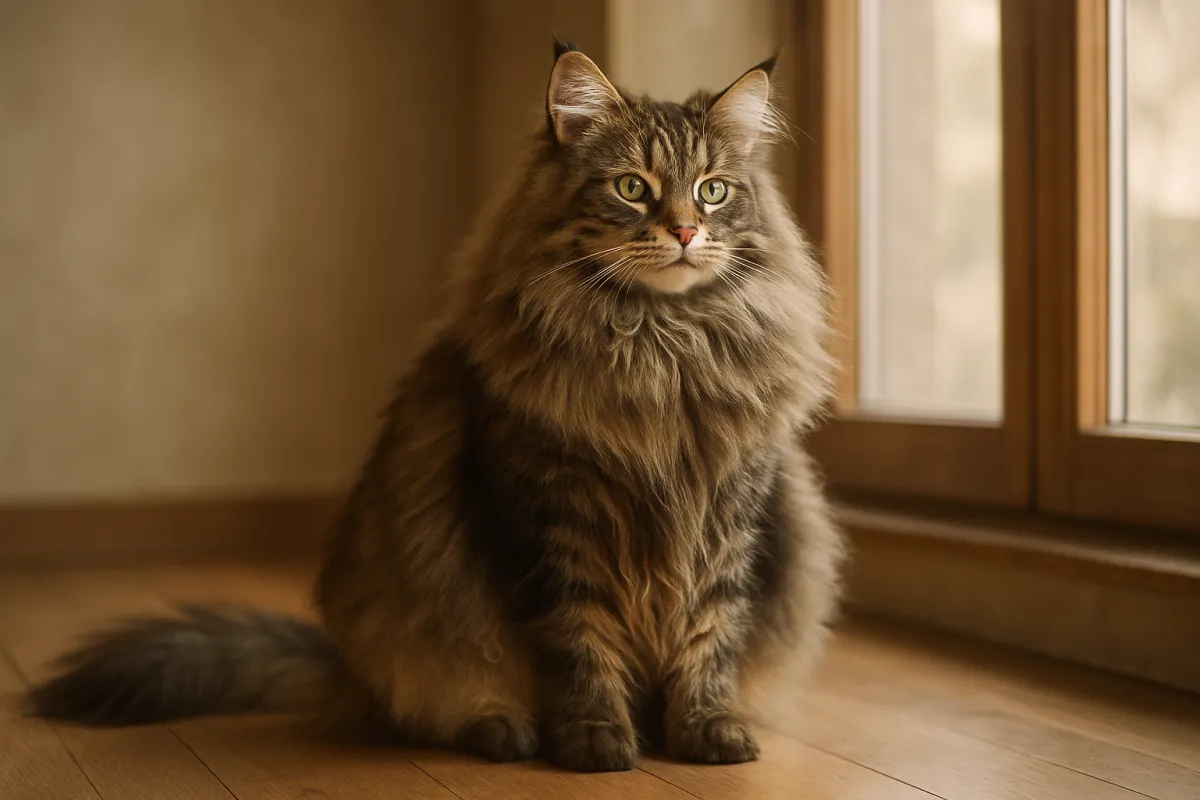
In practice this means natural skin oils can build up somewhat more than on an average cat, occasionally producing a waxy residue in the ears or a slightly oily feel to the coat. Most owners manage this with a light bath every few weeks and a gentle ear wipe on the same schedule, both inexpensive and quick once they become routine. Brushing itself is minimal, since the short curly coat does not mat or collect loose hair the way a longer or straighter one does.
Energy, enrichment, and a genuinely active cat
Devon Rex cats are commonly described as unusually active, acrobatic and people-focused, often drawing comparisons to a more dog-like level of engagement with their household. That temperament is a joy for the right owner and a genuine budget line for everyone, since an understimulated, high-energy cat is more likely to find its own entertainment in ways a household would rather it did not.

The practical consequence is a modest but real line for wand toys, puzzle feeders, climbing furniture and rotating novelty, since toys for an active cat wear out faster than for a sedentary one. None of it is individually expensive, and much of what this breed wants most is simply company and play time, which is free. Owners away from home long hours should think honestly about whether the cat will get enough engagement, since this is not a breed that tends to settle quietly alone all day the way some cats do.
Feeding an active, athletic cat
Food is a significant recurring line for any cat, and for a Devon Rex there are two small effects that roughly balance out. The breed is commonly described as an active, athletic cat that may burn through calories a little faster than a sedentary one its size, which can mean a slightly larger portion. At the same time, adult Devon Rex are commonly a touch smaller and lighter than an average domestic cat, which works in the other direction.
Most owners find the two effects land feeding costs close to a typical indoor cat’s once portioned correctly for the individual animal, with the correct amount being a conversation to have at a wellness visit rather than a rule to apply from an article. Budget an illustrative $25 to $55 a month for a mid-range diet, adjusted for your own cat’s weight and activity level.
Warmth for a thin-coated cat
Because the coat provides less insulation than an average cat’s, many Devon Rex owners notice their cats seeking out warm spots, sunny windows and laps more actively than other cats, and a number choose to keep the household a touch warmer or provide a heated bed, particularly in a cold climate. This is a smaller version of the same consideration that applies to a fully hairless breed, and the cost is modest, an illustrative $30 to $90 covering a heated bed and perhaps a sweater for the coldest months, but it is a real line a short-coated, average-insulation cat’s owner does not carry.
Litter, boxes, and an indoor-only reality
Like most pedigree cats bred for an indoor life, a Devon Rex is usually kept entirely indoors, partly for temperature control given the thin coat and partly because this is a breed many owners describe as too curious and too people-oriented to want to roam even if permitted. The general recommendation of one box per cat plus a spare applies here as for any indoor cat.
Clumping, crystal and plant-based litters differ in price and in how often they need full replacement, so this line is partly a choice. Scooping daily keeps litter usable longer and catches changes in output early, inexpensive vigilance worth building into the routine from the start.
A thin-coated, highly active cat also benefits from box placement that accounts for its habits specifically. A Devon Rex’s agility and curiosity mean it is more likely than a sedate cat to investigate a box tucked somewhere awkward, so a stable, easily reached location pays off in fewer accidents and less mess to clean. None of this changes the cost of litter itself; it simply makes the existing recurring line work a little better for a breed that moves through its environment more than most.
Routine vet care and preventatives
Routine veterinary care for a Devon Rex is priced much like routine care for any cat, which is the reassuring part of this budget. An annual wellness examination, vaccine boosters on the schedule your veterinarian recommends, parasite prevention appropriate to an indoor lifestyle, and periodic dental attention make up the predictable core. Our vet visit cost read prices the examination itself, and our cat vaccination cost read covers the shot schedule.
Dental disease deserves its own mention since it is common in cats generally and expensive once finally addressed. A dental procedure under anaesthetic, with radiographs and any extractions, is one of the larger routine-adjacent bills a cat owner meets. Our cat teeth cleaning cost read covers what drives that bill. Skin and ear checks are also worth folding into the routine visit for this breed specifically, since catching a minor irritation early is cheaper and kinder than treating it once it has become uncomfortable.
Health conditions veterinarians commonly discuss
Devon Rex cats are generally active and resilient, and most live full lives, but like every pedigree there are conditions the breeding community screens for and that veterinarians commonly raise. A hereditary muscle condition, sometimes called Devon Rex myopathy, affects muscle function and is one breeders are commonly asked about, typically through pedigree research and genetic testing where available. Patellar luxation, a kneecap issue seen across many cat and dog breeds, is the other condition that comes up with some regularity in breed discussions.
Skin sensitivity is the third recurring topic, following directly from the fine coat’s reduced natural protection, and owners are commonly advised to watch for excess oiliness, flaking, or irritation. Two honest caveats belong with this list: naming a condition says nothing about whether a particular cat will develop it, and screening reduces risk rather than removing it. Any specific concern about a cat’s gait, muscle strength, skin or energy belongs with a veterinarian who can examine it.
Pet insurance for a Devon Rex
Insurance deserves a real decision rather than a default, and for a pedigree cat the argument is stronger than for an average one. The mechanism is straightforward: a policy converts an unpredictable large bill into a predictable monthly premium, and a policy bought while the cat is young and healthy does that before anything has become a pre-existing condition and therefore excluded. Timing is most of the value, and it matters more here given the muscle and joint conditions part of the routine screening conversation.
Premiums are priced on species, breed, age, location and the cover level you choose, and pedigree cats can sit above mixed-breed cats because insurers price breed alongside everything else. Our cat insurance cost read explains what moves a feline premium, and our read on whether cat insurance is worth it works through the decision honestly, including when self-funding is the better answer. Self-funding is legitimate, but only in its real form: a separate account receiving a fixed monthly amount you genuinely do not touch.
Reading the policy wording matters more than usual for this breed. Ask explicitly whether hereditary or congenital conditions, the category a muscle condition or patellar luxation would typically fall under, are covered from day one or excluded entirely, since policies vary considerably on this point and the answer changes what the premium is actually buying you.
Where a Devon Rex’s lifetime cost goes
Assemble the pieces and the shape of the spend comes into focus. The proportions below are illustrative shares of a whole lifetime total rather than dollars.
Where a Devon Rex's lifetime cost goes
Representative split of an illustrative lifetime total into its main blocks, as shares of the whole. Illustrative shares, not dollars.
Shares move with the cat and the household: a serious illness enlarges the veterinary block, a self-funding owner removes the insurance block and enlarges the veterinary one, and adopting rather than buying shrinks the purchase block substantially.
The skin care, warmth and enrichment block is larger here than for a typical shorthaired cat, reflecting the handful of breed-specific lines this cat genuinely carries. Even so, food, routine care and insurance together still make up the clear majority of a full lifetime.
The lifetime cost of a Devon Rex
Adding purchase, first-year setup and ongoing annual costs across a long feline life, an illustrative lifetime total for a Devon Rex commonly lands somewhere around $17,000 to $31,000 or more. The breed is commonly described as living around nine to fifteen years, a wider range than some pedigree breeds, and the width reflects two variables: how long the cat lives, and how much veterinary care it needs beyond the routine.
A cat that lives toward the top of that range, stays well and needs only routine care sits below the bottom of the cost band, particularly if it was adopted and is self-funded rather than insured. A cat that develops a condition requiring ongoing monitoring or medication climbs past the top regardless of lifespan. Neither outcome is predictable on the day you collect the kitten, which is the argument for planning around the commitment rather than around the best case.
How a Devon Rex compares to an average house cat
Set against an average domestic shorthair, a Devon Rex costs meaningfully more, with the gap showing up at the purchase and in a handful of specific recurring lines rather than across the board. The purchase gap is large on its own, reflecting real scarcity relative to mainstream breeds.
The recurring gap is driven by skin care, warmth gear and the enrichment this active breed genuinely wants, while routine veterinary care, basic food and litter track close to an average cat’s. Insurance typically costs more simply because it is a pedigree cat. The honest summary is that this is a genuinely more expensive cat to buy and a moderately more expensive cat to keep, with the keeping difference concentrated in a few specific, identifiable lines rather than spread evenly across everything. Our Sphynx cost read prices a breed where the thin-coat premium runs considerably further, a useful contrast.
An illustrative year with a Devon Rex
Take one ordinary year with a settled adult and cost it in layers so the annual figure becomes concrete. Every number is illustrative and the method is the actual lesson. Assume a healthy indoor cat in its middle years, home fed on a mid-range diet, insured, bathed every few weeks, with one routine wellness visit.
Start with food and litter. A mid-range diet portioned for an active cat, plus clumping litter for a single indoor cat with two boxes, illustratively runs somewhere around $480 to $820 for the year.
Add the routine veterinary care. A wellness examination, boosters as recommended, and parasite prevention illustratively add around $280 to $500, bringing the running total to roughly $760 to $1,320.
Add insurance, skin-care supplies and enrichment. A pedigree cat’s premium plus cleanser, ear wipes, a heated bed replacement and a steady supply of toys illustratively add around $380 to $800, taking the year to roughly $1,140 to $2,120. That sits inside the annual band this cost read uses, built from the bottom up rather than assumed from an average.
The lesson is the same as for any cat: this example contains no dental procedure, no skin flare-up requiring a vet visit, and no muscle or joint investigation, and any one of those would add a line larger than several of the ones above combined.
How to keep Devon Rex costs down
There are honest ways to reduce the total. Consider adoption, especially of an adult, if your heart is set on the breed but not necessarily a kitten, because an adult cat costs a fraction at the door and arrives with its skin condition, gait and temperament already visible. Buy from a breeder who screens for the muscle condition and patellar luxation, because the money saved by skipping that is frequently borrowed from your future veterinary budget.
Among the recurring lines, build the light bathing and ear-wiping habit early so it becomes routine rather than a chore. Invest in a handful of good interactive toys rather than frequently replacing cheap ones, since this breed uses them hard. Decide the insurance question early, while the cat is young. The place not to save is preventive veterinary care, including skin and joint checks; letting a minor issue go unaddressed reliably converts a small predictable cost into a larger one. Our read on saving on pet medications covers where genuine savings exist without cutting the care itself.
Is a Devon Rex worth the cost?
Worth is not really a financial question, but the financial part can be answered honestly. A Devon Rex is a genuinely more expensive cat than an average house cat, both at the point of purchase and in a few specific recurring lines, and an illustrative lifetime total in the range described above is the commitment being made. If that is comfortable, money is not the obstacle.
The real question is fit, and for this breed it leans heavily on energy and engagement rather than on anything hard to meet. This is commonly described as an exceptionally social, playful, almost dog-like cat that wants to be wherever its people are, and for a household that wants an interactive companion that is exactly the appeal. What a household genuinely needs is time for real daily play, tolerance for a cat that follows you everywhere, and a willingness to do the light skin-care routine consistently.
How this fits your bigger pet budget
A Devon Rex sits inside a household pet budget rather than beside it, and the useful exercise is to place it against the other recurring commitments you already carry. Our read on budgeting for a cat walks through building that budget from scratch, and our yearly cat cost read gives the general baseline this breed sits above.
Two structural habits do most of the work. The first is a separate pet fund that receives a fixed amount every month, whether or not you also carry insurance, so an unexpected bill has somewhere to land that is not a credit card. The second is knowing your options before you need them, since the worst moment to research help with a large bill is while standing at a reception desk. Our read on getting help with vet bills covers what actually exists.
The bottom line
Devon Rex cost is a two-part number, and both parts sit above an average pedigree cat. An illustrative $1,000 to $2,500 buys a pet-quality kitten from a registered breeder, reflecting genuine scarcity, with show lines above that and adoption a fraction of it. The nine to fifteen years that follow carry an illustrative $1,200 to $2,600 a year, and an illustrative lifetime total somewhere around $17,000 to $31,000 or more, driven by light but real skin care, warmth consideration, and the enrichment an unusually active, people-focused cat genuinely wants.
Buy the cat like someone who intends to meet its energy for a decade or more. Ask which tests the parent cats had for the hereditary muscle condition and for patellar luxation, and ask to see the records. Budget the setup and the first-year veterinary care alongside the purchase rather than after it. Start the light bathing and ear-wiping habit in the first weeks, and invest in real interactive toys rather than cheap ones that will not survive this breed’s enthusiasm. Decide the insurance question while the cat is young. Do those things and the numbers in this cost read describe a lively, genuinely rewarding commitment rather than a series of surprises.
This cost read describes typical patterns in owning and budgeting for a Devon Rex cat, not veterinary or financial advice, and it cannot replace guidance from professionals who can examine your own cat and review your own finances. Every dollar amount, percentage and lifespan reference above is illustrative, moves with your region, your breeder or rescue, your individual cat and your own choices about diet, skin care, enrichment and insurance, and none of it is a quote or an offer. The conditions named here are ones commonly discussed by veterinarians and breeders in connection with this breed, set out so you know which questions to ask; nothing above is a diagnosis, a prognosis, or a claim about how likely anything is in any particular animal. If your cat shows any change in gait, muscle strength, skin condition, energy or appetite, contact a licensed veterinarian promptly rather than relying on an article, and get screening records and breeder commitments in writing before any money changes hands.
Cost by breed size
Illustrative first-year cost by typical adult weight class — food, vet care, and starter gear all scale with size, which is the biggest single driver of lifetime cost between breeds.
Figures are illustrative first-year planning ranges, not a quote for any specific pet — breed, region, and individual health all move the real number. Use the calculator above for your own estimate.
Frequently asked questions
How much does a Devon Rex cost?
As an illustrative figure, a pet-quality Devon Rex kitten from a registered breeder commonly runs somewhere around $1,000 to $2,500, with kittens from show lines or unusual colour patterns priced above that. Adoption through a breed rescue or a shelter, when a Devon Rex or a Devon Rex type cat is available, is far cheaper at an illustrative $150 to $450 and usually includes early medical care. The purchase sits toward the upper-middle of the pedigree-cat range, reflecting a breed that is genuinely less common than mainstream pedigrees. The ongoing cost is shaped by the breed's unusual curly coat and oily skin, which call for a care routine most cat owners never think about. Treat every number in this cost read as an illustrative planning range and confirm real prices with breeders and rescues in your own area.
Why are Devon Rex cats priced above an average pedigree kitten?
The price reflects genuine scarcity relative to demand rather than hype. The breed's wavy, curly coat comes from a genetic mutation, and responsible breeders screen breeding cats for the conditions the community watches, manage litters with care, and spend the early weeks handling kittens that need to become comfortable with the skin-care routine they will carry for life. Litters are not unusually small, but the breeder population producing well-screened kittens is smaller than for mainstream breeds, which keeps supply tighter against a loyal and growing fan base. None of that buys certainty about health, which is why the screening conversation with a breeder matters more than the number on the listing.
Do Devon Rex cats cost more to feed than an average cat?
Not dramatically, though a small premium is commonly described for the breed. Devon Rex cats are commonly described as having a notably high energy level and an active, athletic build, and some owners report their cats eating slightly more than an average cat of similar size to support that activity. Adult Devon Rex are also commonly a touch smaller and lighter than an average domestic cat, which works in the opposite direction on portion size. The two effects roughly offset, so most owners find feeding costs land close to a typical indoor cat's once portioned for the individual animal's weight and activity. Talk to your own veterinarian about the diet and portion appropriate for your particular cat.
How much does a Devon Rex cost per year?
As an illustrative shape, ongoing yearly costs for a healthy adult Devon Rex commonly land somewhere around $1,200 to $2,600, covering food, litter, routine veterinary care, parasite prevention, skin-care and bathing supplies, warmth items for a thin-coated cat, replacement of worn equipment and enrichment, plus insurance if you carry it. The lower end assumes a settled adult, home feeding, home skin care and a simple indoor setup. The upper end reflects premium food, more frequent skin-care supplies, insurance premiums and a year with an extra veterinary appointment. Any year with a real skin issue, a dental procedure, or an injury sits above that band entirely, which is why the honest advice is to hold a cushion rather than budget to the average.
Does a Devon Rex need special coat or skin care?
Yes, and this is the detail most new owners underestimate. The breed's fine, wavy coat is commonly described as providing less insulation and less of the usual oil-wicking function a denser coat performs, which means natural skin oils can build up more than they would on an average cat, sometimes producing a waxy residue in the ears and on the skin. Many owners find a light bath every few weeks, along with a gentle wipe of the ears, keeps this manageable, and the coat itself needs very little brushing since it is short and the curl discourages loose hair from collecting the way a straight coat does. The supplies are inexpensive; the real cost is the habit of doing it regularly.
What health conditions do Devon Rex cats have?
Most Devon Rex cats live full, active lives, but there are conditions veterinarians and breeders commonly discuss for the breed, and an owner should know the names in order to ask good questions. The screening conversation commonly covers a hereditary muscle condition sometimes called Devon Rex myopathy, patellar luxation, a kneecap issue also seen across many cat and dog breeds, and skin sensitivity given the thin, fine coat. Naming a condition says nothing about whether any individual cat will develop it, and screening reduces risk rather than removing it. Ask a breeder exactly what the parent cats were tested for and ask to see the results, and take any specific concern to a veterinarian who can examine your own animal.
Is pet insurance worth it for a Devon Rex?
Insurance is worth taking seriously for any pedigree cat you have paid a meaningful sum for, though whether a policy pays off in an individual case is never guaranteed. The mechanism is simple: a policy taken out while the cat is young and healthy converts the risk of a large unpredictable bill into a predictable monthly premium, before anything has become a pre-existing condition and therefore excluded. That timing matters more for a breed where a hereditary muscle condition and joint issues are part of the routine screening conversation. Premiums for pedigree cats can sit above those for a mixed-breed cat because insurers price breed alongside age and location, so get quotes for the actual breed. The legitimate alternative is a funded savings habit you genuinely leave alone.
How much does a Devon Rex cost over its lifetime?
Carrying the purchase, the first-year setup and a long run of food, skin care and veterinary bills, an illustrative lifetime total for a Devon Rex commonly lands somewhere around $17,000 to $31,000 or more. The breed is commonly described as living around nine to fifteen years, and the width of that range comes from two places: how long the cat lives, and whether it needs care beyond the routine. A self-funded adopted cat fed a mid-range diet and cared for at home comes in below the bottom of that range, while an insured pedigree with real health events climbs past the top. Use the figure to test the commitment rather than to predict a particular cat.