
What's on this page
- The short answer: what a Shih Tzu costs
- Shih Tzu purchase price: breeder versus rescue
- Why Shih Tzus cost what they do
- A Shih Tzu cost table
- The first-year cost of a Shih Tzu
- Ongoing annual cost of a Shih Tzu
- Feeding a Shih Tzu: a small appetite, a small bill
- The coat: why grooming is the real recurring cost
- Brachycephalic health: breathing, eyes, and the flat face
- Dental crowding and other common issues
- Pet insurance for a Shih Tzu
- What Shih Tzu pet insurance costs
- The lifetime cost of a Shih Tzu
- How a Shih Tzu compares to other small breeds
- Buying responsibly: what to look for
- An illustrative year with a Shih Tzu
- How to keep Shih Tzu costs down
- Is a Shih Tzu worth the cost?
- The bottom line
Short answer: A pet-quality Shih Tzu puppy from a reputable breeder commonly runs an illustrative $800 to $2,500, rescue roughly $150 to $400, and show lines or rare coat colors past $3,000. Routine costs are modest, with food at an illustrative $20 to $35 a month, but the budget's real center of gravity is the coat and the face: professional grooming every few weeks if kept long, plus airway, eye, and dental watch items tied to the breed's flat-faced build. An illustrative lifetime total lands around $14,000 to $26,000 or more.
The cost of a Shih Tzu starts with a small, friendly number and then quietly reveals where the real spending lives. To buy, an illustrative $800 to $2,500 from a reputable breeder for a pet-quality puppy, far less through rescue, and more for show lines or fashionable coat colors. To own, the honest answer starts with the two things that make a Shih Tzu a Shih Tzu: a long, flowing double coat that is either a recurring grooming bill or a daily brushing chore, and a flat, round face that is adorable and also a genuine structural health consideration. Food and medication are cheap at toy-breed doses, but the coat and the face are where this breed’s budget is actually won or lost.
This cost read prices the whole dog: the purchase and what moves it, the first-year and settled annual budgets, the coat decision that changes the grooming line by hundreds of dollars a year, the brachycephalic and dental risks with honest illustrative ranges, insurance, and the lifetime total. It sits alongside our dog cost by breed read, which compares many breeds on one scale, and makes a useful contrast with our French Bulldog cost read, another flat-faced breed whose airway risk runs more severe. Put your own numbers into the cost calculator as you read.
Key takeaways
- A reputable-breeder Shih Tzu commonly runs an illustrative $800 to $2,500 for a pet-quality puppy; rescue is roughly $150 to $400, and show lines or rare coat colors climb past $3,000.
- Routine Shih Tzu costs are small-dog cheap: an illustrative $20 to $35 a month of food and toy-dose medication.
- The coat is the biggest lever in the whole budget: a full long coat needs professional grooming every four to six weeks, while a practical short clip cuts that bill substantially.
- The flat face brings real watch items: airway signs, eye injuries, and crowded teeth, which make an insurance-or-fund decision worth making early.
- An illustrative lifetime total commonly lands around $14,000 to $26,000 or more across twelve to fifteen years. Every figure here is illustrative and varies widely.
The short answer: what a Shih Tzu costs
For the purchase, the familiar fork. From a reputable breeder, a pet-quality Shih Tzu commonly runs an illustrative $800 to $2,500, with the price tracking health testing, reputation, region, and coat color. From rescue or a shelter, an illustrative $150 to $400, typically bundling vaccines, sterilization, and a microchip. Below the standard range sits a large volume market of casually bred and pet-store puppies, commonly advertised well under $800, and above it sit show lines and the rare color tier, parti-color, rare shadings, or “teacup” sizing marketed at a premium, commonly past $3,000.
For the ownership, the routine lines are cheap: an illustrative $20 to $35 a month of food for a dog typically weighing 9 to 16 pounds, routine vet care at ordinary small-dog rates, and preventatives dosed small. A settled year commonly runs an illustrative $1,200 to $2,200, and where you land inside that range is decided almost entirely by one choice: how you wear the coat. What the friendly baseline conceals is that the breed’s two defining features, the coat and the face, each carry their own cost story the rest of this read prices in full.
That shape, cheap routine plus a grooming decision plus a face-shaped health watch list, dictates the whole strategy of a Shih Tzu budget: decide the coat length on purpose rather than by default, take the breed’s brachycephalic and dental tendencies seriously without catastrophizing them, and hold a real answer, insurance or a funded account, against the possibilities. The rest of this read prices each piece; the calculator turns them into your own totals.
Shih Tzu purchase price: breeder versus rescue
A responsible Shih Tzu breeder’s price carries visible and invisible work: eye screening, hip and patella evaluation, and genetic testing appropriate to the breed on the parents, thoughtful pairings, proper rearing, and support for the puppy’s whole life. An illustrative $800 to $2,500 for a pet-quality puppy is the fair market for all of that, and in a breed with real eye, airway, and knee considerations, tested parents are not a luxury line, they are a discount on the next decade’s vet bills.

Rescue runs an illustrative $150 to $400, and Shih Tzus and Shih Tzu mixes appear regularly through general shelters and breed-specific rescues, since the breed’s popularity means a steady flow of surrendered adults, often for reasons unrelated to the dog itself: a change in the owner’s circumstances, an underestimated grooming commitment, or an allergy in the household. Adults from rescue arrive with known temperaments and, valuably in this breed, an already-established coat routine, and the fee usually bundles the early medical work.
The tier to watch is the one popularity always creates: pet-store and volume-bred puppies priced low because the parents were never tested, and a “teacup” or rare-color premium that buys novelty rather than soundness. A smaller-than-standard Shih Tzu is not a recognized separate type, it is usually a runt or an underfed marketing term, and breeding deliberately for extreme smallness tends to compound rather than avoid health risk. As our dog cost by breed read repeats across every breed page, the bargain or the novelty premium reliably re-invoices itself through the vet.
Why Shih Tzus cost what they do
Shih Tzu pricing is a popularity story layered on a grooming-intensive breed. Decades as one of the most popular toy companion breeds keep demand high, and a responsibly bred litter, screened for eyes, hips, and patellas, costs real money to produce, which shows up in the price of a well-bred puppy. Under that demand sits a thriving volume market, because the breed is relatively easy to breed in quantity compared with breeds that need C-sections or have small litters, which is exactly why bargain Shih Tzus are so widely available and why the quality gap between the cheapest and the best-tested puppies is unusually wide.
Illustrative Shih Tzu purchase price by source
Representative upfront cost to acquire a Shih Tzu puppy. Illustrative; varies by region, lines, coat color, and demand.
Rescue prices cover care rather than breeding cost. The honest premium within breeder tiers tracks eye, hip, and patella testing and proven lines; a rare color or a "teacup" label buys appearance or novelty, not a healthier dog.
A note on two marketing terms this breed attracts. “Teacup” or “imperial” sizing is not a recognized size category; it describes a dog bred smaller than the breed standard, sometimes by selecting runts, and smaller size in an already small breed can concentrate rather than reduce structural and dental risk. Rare or “designer” coat colors, liver, blue, or unusual parti patterns, are a coat trait, not a health trait, and a premium paid for one buys nothing the health-testing panel covers. The best money at purchase, as everywhere in this read, is the boring money: tested eyes, screened hips and patellas, and a breeder who can describe the parents’ health history in detail.
A Shih Tzu cost table
The main categories, one-time and recurring, in illustrative planning ranges:
| Cost category | Illustrative amount | Notes |
|---|---|---|
| Purchase (reputable breeder, pet) | ~$800 to $2,500 | One-time; show lines and rare colors higher |
| Purchase (rescue / adoption) | ~$150 to $400 | One-time; typically bundles vaccines, sterilization, chip |
| First-year setup and gear | ~$250 to $500 | Crate, bed, harness, grooming tools, bowls |
| Food (annual) | ~$240 to $420 | Small-breed portions keep this line cheap |
| Routine annual vet care | ~$350 to $650 | Wellness exam, vaccines, toy-dose preventatives |
| Grooming (annual, short clip) | ~$200 to $450 | Simpler, faster visits on a practical trim |
| Grooming (annual, full coat) | ~$500 to $950 | Professional grooming every four to six weeks |
| Dental cleaning (when due) | ~$300 to $700 | Crowded small-mouth teeth make this a frequent line |
| Airway or eye event (when it happens) | ~$300 to $4,000 | Mild eye care low, airway surgery at the top |
| Pet insurance premium | ~$300 to $540 / year | Accident and illness, enrolled young |
| Illustrative lifetime total | ~$14,000 to $26,000+ | Purchase plus 12 to 15 years of care |
Two lines organize the whole table. The grooming rows are the clearest lever an owner controls, and the gap between a short clip and a full coat is hundreds of dollars a year on its own. The health-event row spans an unusually wide range because it covers everything from a minor eye wipe to airway surgery, which is exactly why the insurance row exists. Place your own assumptions on the grid, then let the calculator do the multiplication.
The first-year cost of a Shih Tzu
Year one stacks the one-time costs on a full year of care. The purchase, an illustrative $800 to $2,500 from a breeder or a few hundred via rescue. Setup and gear, an illustrative $250 to $500: crate, bed, harness and leash, bowls, and, specific to this breed from day one, a slicker brush, comb, and detangling spray, because coat habits started in puppyhood are far cheaper than matting fixed later. The puppy medical stack, vaccine series, deworming, preventatives, spay or neuter if not bundled, commonly adds several hundred dollars; our puppy cost read itemizes it, and our spay and neuter cost read prices that specific line.
Early coat decisions belong in year one. A puppy’s coat is finer and mats less than an adult’s, which makes the first year the easiest time to build a daily brushing habit before matting becomes painful rather than cosmetic. Owners who decide early whether they are maintaining a show-length coat or a practical clip avoid the common mistake of growing out a coat for months only to shave it off in frustration, which costs the same grooming visits twice over.
All in, a breeder Shih Tzu’s first year commonly lands at an illustrative $2,100 to $3,800; a rescue Shih Tzu’s, an illustrative $900 to $1,800. Both track the universal first-year shape our first-year dog cost read maps: a spike of one-time costs that never repeats, settling into the steady rhythm the next section prices.
Ongoing annual cost of a Shih Tzu
The settled Shih Tzu year is small-dog cheap on the lines that scale with size and breed-specific on the lines that do not. Food, an illustrative $20 to $35 a month, or $240 to $420 a year, since a toy-sized dog simply eats less. Routine vet care, the annual exam, vaccines on schedule, and toy-dosed parasite preventatives, an illustrative $350 to $650. Grooming, the single biggest swing factor, ranging from an illustrative $200 to $450 a year on a short practical clip to $500 to $950 on a professionally maintained full coat. And the risk line, an insurance premium at an illustrative $300 to $540 a year or the same money into a dedicated fund.

Sum it and a normal year runs an illustrative $1,200 to $2,200, sitting comfortably in the small-breed band our monthly cost of a dog read charts across breeds, with the coat decision doing most of the work of moving a given dog toward either end. The senior stretch deserves a forward glance while budgeting the middle years: older Shih Tzus commonly need more frequent dental attention and sometimes mobility support for the knees, which lifts late-life years toward the top of the range. Bank the difference while the dog is young and the last years arrive pre-paid.
Feeding a Shih Tzu: a small appetite, a small bill
The food line is genuinely one of the cheapest parts of owning this breed. A Shih Tzu eats an illustrative $20 to $35 a month of quality small-breed food, and because the dog typically weighs 9 to 16 pounds fully grown, even a premium diet stays modest in dollar terms compared with a mid-size or large breed on the same shelf. The requirement is a complete, balanced diet appropriate for a small-breed dog’s life stage; the tier above that is a preference, not a need.
Two feeding notes matter specifically for this breed. First, small kibble size: a Shih Tzu’s compact jaw and crowded teeth handle a small, appropriately sized kibble far more comfortably than a standard-size piece, and many small-breed formulas are shaped with this in mind. Second, weight management: the breed’s compact frame carries extra weight poorly, and because the same joints already carry a real patellar luxation risk, keeping a lean body condition is one of the cheapest and most effective things an owner can do to protect the knees the health section below discusses.
The coat: why grooming is the real recurring cost
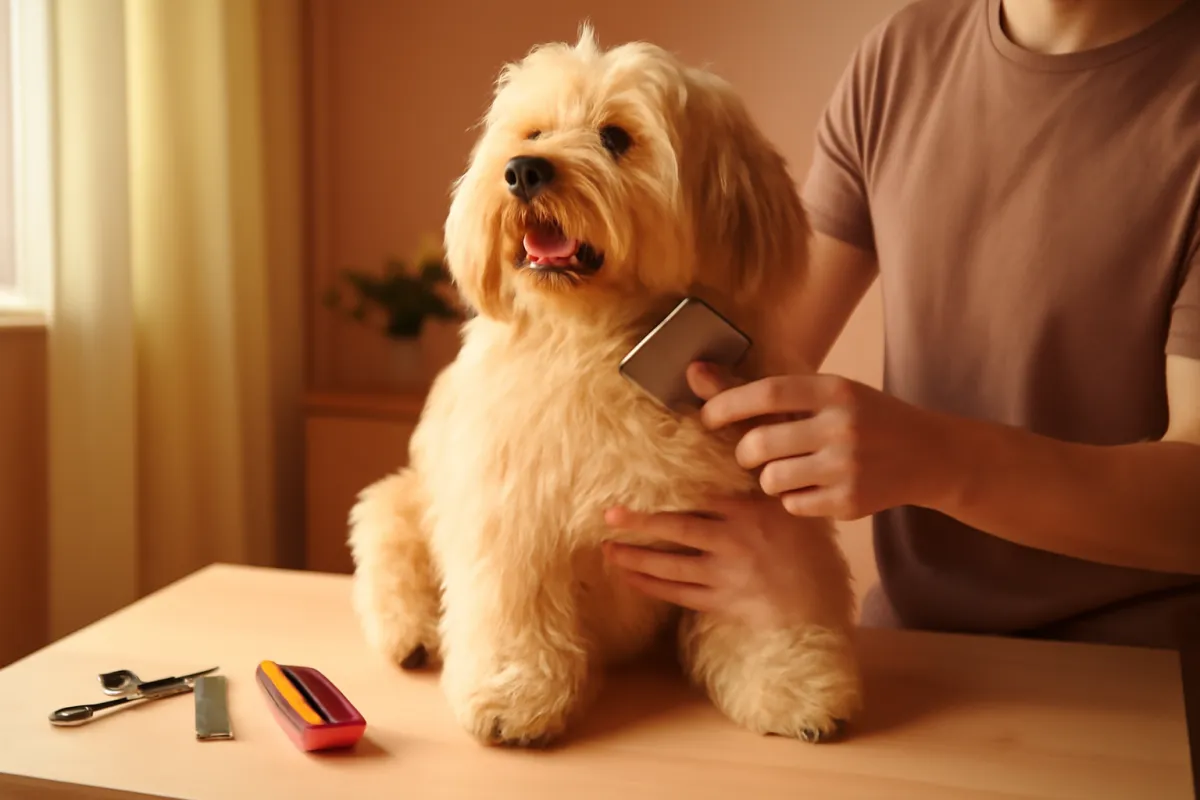
Here is the section the whole budget bends around. The Shih Tzu’s signature long, flowing double coat does not shed in the way most dogs do, hair that is not brushed out simply stays on the dog and mats, and matted fur against the skin is uncomfortable and can trap moisture against the skin underneath. That single fact is why this breed’s grooming line is structurally different from a short-coated dog’s: grooming here is not optional maintenance, it is how the coat avoids becoming a welfare problem.
Owners face a real fork here, and it is worth deciding deliberately rather than by default. Keeping the full show-length coat means professional grooming roughly every four to six weeks, an illustrative $50 to $90 a visit, which is $500 to $950 a year, plus daily at-home brushing with a slicker brush and comb to prevent matting between visits. Keeping a shorter, practical puppy clip instead cuts the professional bill to an illustrative $200 to $450 a year, since the coat grows out more before it needs attention and a shorter cut mats far less. Neither choice is wrong; the full coat is the breed’s signature look and some owners love maintaining it, while the clip is the budget-conscious, lower-maintenance default most pet owners land on.
What is not optional in either case: regular eye-area cleaning, since the breed’s facial hair and prominent eyes mean tear staining and debris around the eyes need daily or near-daily attention, and ear checks, since the drop ears trap moisture. Both are nearly free in money and genuinely free in time, which makes them the best-value habits in the whole grooming budget.
Brachycephalic health: breathing, eyes, and the flat face
The Shih Tzu is a brachycephalic, or flat-faced, breed, moderately so compared with the most extreme examples, but the structure still carries real considerations worth budgeting around honestly. Brachycephalic airway signs, snoring, noisy breathing, reduced heat tolerance, and exercise intolerance in warm weather, appear at real rates in the breed, though typically less severely than in a French Bulldog or Pug. Most affected dogs manage with lifestyle adjustments, avoiding heat and strenuous exercise, keeping a lean weight, and using a harness rather than a collar to avoid pressure on the airway. A smaller share of more severely affected dogs benefit from or need surgery to widen the nostrils or shorten the soft palate, commonly an illustrative $1,500 to $4,000 when it is recommended.
The breed’s large, prominent, shallow-set eyes are a second watch item tied to the same facial structure. They are more exposed than a longer-muzzled breed’s eyes, which raises the risk of corneal scratches, ulcers, and chronic dryness, and the facial folds around the eyes can trap debris and moisture. Minor eye irritation is an illustrative $100 to $300 vet visit; a corneal ulcer that needs more intensive treatment or, in serious cases, surgery can run meaningfully higher, into the low thousands. Daily eye-area cleaning and prompt attention to any squinting, redness, or discharge are the cheap habits that catch problems early, when they are still the inexpensive version.
Dental crowding and other common issues
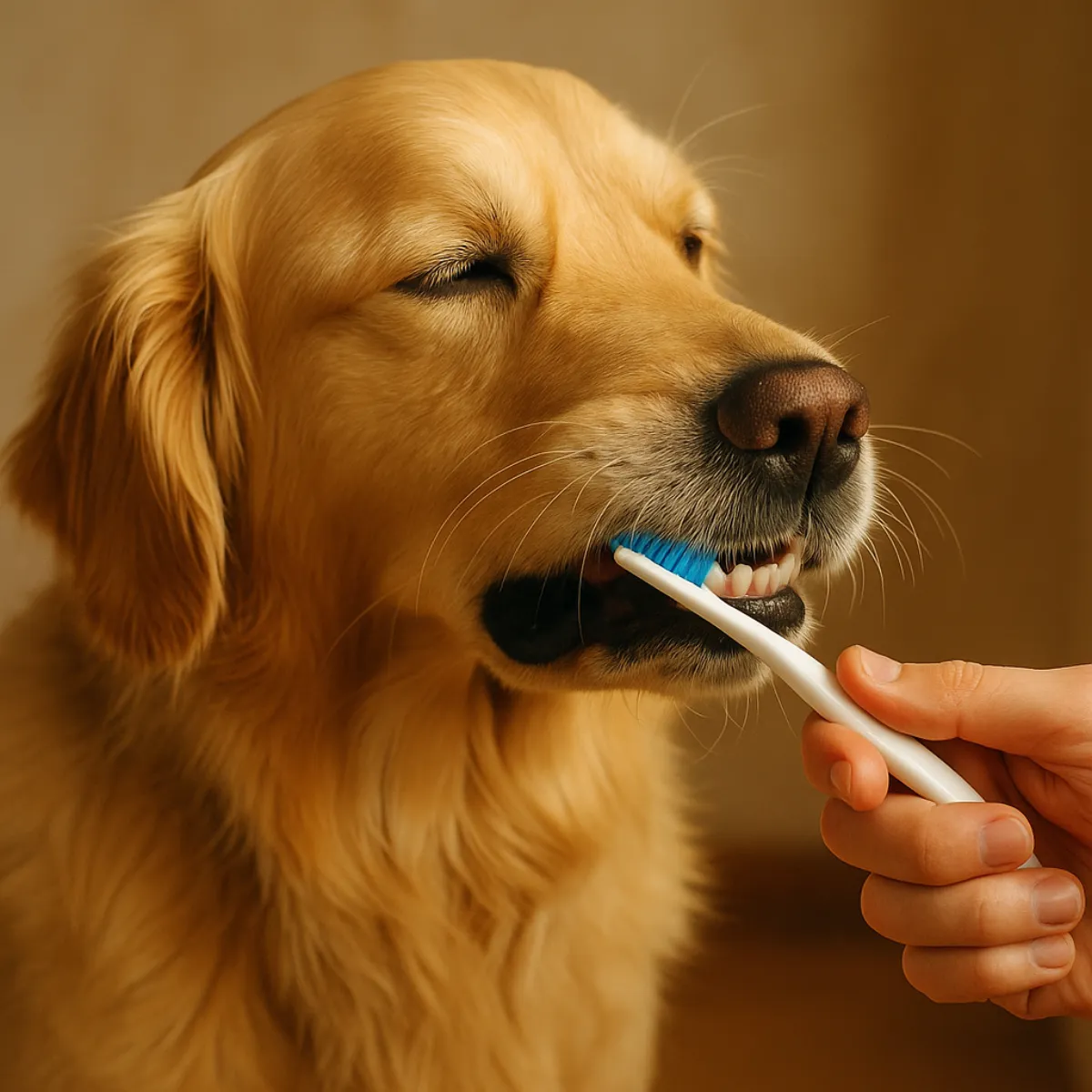
A Shih Tzu’s compact jaw holds a full set of teeth in less space than a longer-muzzled dog, which means dental crowding is close to universal in the breed and tartar buildup tends to progress faster as a result. Professional dental cleanings, done under anesthesia, commonly run an illustrative $300 to $700, and more if extractions are needed, and this breed often needs that cleaning on a more frequent cycle than an average dog. Daily tooth brushing and vet-approved dental chews genuinely stretch the interval, and the alternative to paying for dentistry is not avoiding the cost, it is deferring it into extractions and a dog in pain, which costs more in every currency.

The other common line on this breed’s watch list is patellar luxation, a kneecap that slips out of its normal groove, which is a real risk across small and toy breeds generally and is seen in Shih Tzus at meaningful rates. Mild, low-grade cases are often managed conservatively with weight control and activity modification; more significant cases can need surgical correction, commonly an illustrative $1,500 to $3,000 per knee. Keeping the dog lean, as the feeding section above notes, is the single cheapest thing an owner can do to protect against both the onset and the progression of this condition.
Pet insurance for a Shih Tzu
Assemble the risk picture, a real if moderate chance of brachycephalic airway or eye issues, a meaningful dental cleaning cadence, and genuine patellar luxation risk, plus ordinary accident and illness exposure, and the Shih Tzu makes a reasonable insurance case built on breadth rather than one dramatic risk. The costs that would hurt are not concentrated in a single likely event the way a Corgi’s back risk is; instead, several moderate-probability, four-figure-capable events sit on the list at once, which is exactly the kind of spread insurance handles well. Our is pet insurance worth it for dogs read frames the general bet.
Enrollment timing matters here too. Eye, airway, and knee findings all become pre-existing exclusions the moment they enter the record, so a policy begun in puppyhood, before any squint, snore, or limp has been noted, covers the breed’s signature watch items; one shopped after the first incident largely cannot. Read the eye-condition and orthopedic language specifically before choosing a policy, per the checklist in our how to choose pet insurance read.
The self-funding alternative stays legitimate for the disciplined: the same premium, banked monthly and left untouched, works, with the honest caveat that a $2,500 airway consult and procedure in year two meets a fund holding a few hundred dollars, which is the scenario that turns into financing stress. Some owners split the difference, an accident-and-illness policy through the young years, transitioning to savings as the fund matures. Any of these is a plan. The no-plan is the one outcome this read exists to prevent.
What Shih Tzu pet insurance costs
As illustrative figures, accident-and-illness coverage for a young Shih Tzu commonly runs $25 to $45 a month, an illustrative $300 to $540 a year, sitting toward the lower end of breed pricing because the small body keeps treatment costs, and therefore premiums, below large-dog rates. Premiums climb with the dog’s age and with your region’s veterinary prices, and the usual levers, deductible, reimbursement percentage, annual cap, trade monthly cost against claim-time cost in the standard way our pet insurance cost per month read dissects.
Shih Tzu-specific shopping notes: check whether brachycephalic airway surgery and eye conditions are covered rather than carved out as breed-specific exclusions, since some insurers treat known breed tendencies differently; confirm the dental coverage terms, since this breed’s cleaning cadence runs higher than average and accident-only dental add-ons vary widely in what they actually pay for; and read the orthopedic and patella language closely given the breed’s knee risk. Weigh the premium against the bills it exists for: an illustrative $35 a month is $420 a year, and a single airway procedure or knee surgery can equal several years of it.
The lifetime cost of a Shih Tzu
Run the layers across an illustrative twelve-to-fifteen-year Shih Tzu life, among the longer lifespans in dogdom, purchase at $1,400, a first year totaling $2,800, thirteen settled years averaging $1,700, and a senior stretch trending higher with dental and knee care, and the base case lands near $25,000. Shift the assumptions, a rescue adoption, a short practical clip, no major events, and the total eases toward an illustrative $14,000; add a full show coat maintained for life, an airway procedure, and ongoing dental work, and it climbs toward $26,000 and past. That band, an illustrative $14,000 to $26,000 or more, is the honest window our lifetime cost of a dog read would predict for a small breed with a grooming-intensive coat and a moderate health watch list.
Where a Shih Tzu's lifetime cost goes
Representative split of an illustrative lifetime total into its main blocks, as shares of the whole. Illustrative, not dollars.
Grooming is the standout block, something few buyers price in before they fall for the coat. The blocks an owner controls, clip length, weight, and the insurance decision, together dwarf the purchase price everyone negotiates hardest over.
The composition tells the strategy. For most other breeds, health and food dominate the pie; here, grooming rivals health as the largest slice, which is the single most useful fact for a prospective Shih Tzu owner to internalize before bringing one home. Build your own version of the math in the calculator, choosing your coat length honestly rather than aspirationally.
How a Shih Tzu compares to other small breeds
On the cross-breed grid, the Shih Tzu occupies a distinctive cell: cheap to feed, expensive to groom if kept long, moderate structural risk. Against a short-coated toy breed like a Chihuahua, our Chihuahua cost read shows a dog with an even smaller food bill and essentially no grooming line, trading that savings for its own set of small-breed dental and joint considerations. Against a coat-driven breed like a Poodle, the comparison runs the other way: both carry a real grooming subscription, but the Poodle’s structural health profile is generally sounder, while the Shih Tzu’s flat face adds the airway and eye dimension the Poodle does not carry.
Against another flat-faced popular breed, our French Bulldog cost read documents meaningfully higher airway surgery rates and a steeper insurance market, since the Frenchie’s face is more extremely brachycephalic than the Shih Tzu’s. The Shih Tzu sits in between: real watch items, genuinely worth planning for, but on average less severe and less frequent than the most extreme flat-faced breeds. The comparison to take seriously before buying is with your own household: tolerance for a daily coat-care routine or a recurring grooming bill, a warm climate’s effect on a flat-faced dog, and appetite for the eye and dental attention this breed asks for. Our dog cost by breed read is the wider menu if this read’s trade-offs give you pause.
Buying responsibly: what to look for
The Shih Tzu buyer’s checklist is short and matters more than the price tag. A responsible breeder shows you, unprompted or on first request: eye screening results, hip and patella evaluations, and health history on both parents; raises puppies underfoot with early socialization; explains the breed’s coat and face honestly before you ask, rather than only showing you the cute parts; takes the dog back at any age; and interviews you as hard as you interview them. Expect a real price in the illustrative range above, and treat it as a feature, not a markup.
The red flags are the ones popularity always creates: always-available puppies at bargain prices, “teacup” or “imperial” marketing, premiums for rare coat colors with no testing underneath, shipping sight-unseen, and sellers who cannot describe the parents’ eye or knee history. Every one of those discounts is a deferred invoice, and in this breed the deferral tends to land on the eyes, the airway, or the knees, the three most expensive addresses available. Rescue remains the value route: an illustrative $150 to $400 for a known-temperament adult with the early medical work done, through general shelters and the breed’s active rescue network.
An illustrative year with a Shih Tzu
One settled year, worked through: a healthy four-year-old Shih Tzu, lean at 12 pounds, kept in a practical short clip, insured, average-cost area. Food and treats: $28 a month, $336. Routine vet care, annual exam, vaccines, toy-dosed preventatives: $450. Grooming, a short clip every eight weeks plus home brushing: $320. Insurance, $35 a month: $420. Dental cleaning, budgeted every other year, averaged into this year: $250. Extras, a replacement harness, eye wipes, and a few toys: $90. Year total: an illustrative $1,866, on budget and uneventful.
The context around that year is the point. The year before, a bout of excessive squinting and tearing sent the owner to the vet for a corneal scratch, an illustrative $220 episode that resolved with medicated drops and a cone for a week; insurance reimbursed most of it, and daily eye wipes afterward became a non-negotiable habit. That is the breed’s pattern in miniature: ordinary years at small-dog prices, punctuated by the face or the coat asserting itself, with the outcome and the bill both shaped by how fast the owner noticed and what plan was already in place. Run your own year, and its decade of siblings, through the calculator to see what the pattern totals for your situation.
How to keep Shih Tzu costs down
Every honest lever in the breed, ranked roughly by return:
- Choose the coat length on purpose. A short, practical clip is the single biggest saving available in this breed, worth hundreds of dollars a year against a full show coat, with no loss of comfort for the dog.
- Brush daily if keeping the coat long. A few minutes a day is free and prevents the matting that turns an easy groom into a painful, expensive one.
- Buy tested or adopt assessed. Parents with eye, hip, and patella clearances are the only purchase-time discount on future vet bills that actually works.
- Keep the dog lean, permanently. Free, daily, and the single biggest discount on the knee and airway lines at once.
- Clean the eyes and brush the teeth daily. Pennies of time against the four-figure lines both habits are built to prevent.
- Decide the insurance question in week one. Enrolled-young coverage, or a genuinely funded account, converts this breed’s spread-out risk list from crisis to logistics.
- Shop the recurring lines yearly. Groomers, food, preventatives, and premiums all reprice; our how to lower your vet bills read and medication savings read cover the safe trims.
The false economies mirror the list: growing out a coat with no grooming budget behind it, skipped dental cleanings, bargain or “teacup” puppies, and deferred insurance, all of which reprice care into consequences. Cut prices, never prevention; this breed’s face and coat audit the difference quickly.
Is a Shih Tzu worth the cost?
What the money buys is a genuinely affectionate, adaptable companion dog built for close human company: small enough for almost any home, famously good-natured, and long-lived enough to be a true decade-plus relationship. Run the numbers per year of companionship and the Shih Tzu, kept in a practical clip, prices like one of the cheaper small dogs available, an illustrative $1,200 to $2,200 in a settled year, for a breed whose temperament suits apartment living, families, and first-time owners alike.
What the money requires is honesty about the coat and the face before the puppy comes home: a real decision about grooming length and budget, daily eye and dental attention a flatter-faced breed does not need, and a real answer, premium or funded account, to the airway, eye, and knee questions before they are ever asked. Owners who embrace the coat-care routine or budget properly for outsourcing it mostly never meet the expensive version of this breed at all.
So the decision resolves the way every good breed decision does: not “is the dog worth it,” but “is your household the one that will actually maintain this coat and this face.” If yes, buy tested or adopt assessed, decide the clip, insure early, and enjoy well over a decade of one of dogdom’s most companionable small breeds. If no, the honest move is the wider menu in our dog cost by breed read. Either way, run the calculator first and decide with the numbers in hand.
The bottom line
A Shih Tzu costs an illustrative $800 to $2,500 to buy from a reputable breeder, a few hundred through rescue, an illustrative $1,200 to $2,200 in a settled year, and an illustrative $14,000 to $26,000 or more across a twelve-to-fifteen-year life. The routine lines run small-dog cheap; the budget’s true center is the coat, which can swing the grooming line by hundreds of dollars a year depending on length, and the flat face, which brings real if moderate airway, eye, and dental considerations worth planning for rather than discovering.
The playbook: buy from eye-, hip-, and patella-tested parents or adopt through rescue, decide the coat length honestly before the puppy comes home, brush and clean the eyes daily whichever length you choose, enroll in insurance while the record is clean or fund the account like you mean it, and keep the dog lean for the sake of both the knees and the airway. Do that, and one of the most companionable small breeds in dogdom becomes a thoroughly manageable line in the family budget, with the calculator standing by to turn this read’s illustrative ranges into your own numbers.
Straight talk from MuttMark before the flat face and the flowing coat win you over: this cost read is planning material, not veterinary, breeding, grooming, or financial advice, and it diagnoses nothing. Every dollar figure above, purchase tiers, grooming ranges, surgery estimates, premiums, annual and lifetime totals, is an illustrative estimate built for budgeting, and your actual costs will follow your region, your breeder or rescue, your groomer, your insurer’s contract, your own choices, and most of all the individual dog, whose airway, eyes, and knees no article can examine. The breed’s health tendencies are described honestly to support prepared, responsible ownership, not to alarm or to predict your dog’s future; whether any risk here applies to a specific Shih Tzu, and what to do the day something looks wrong, are calls for a veterinarian with the dog in front of them. Price everything locally and in writing, insure or save on purpose, and give the medical decisions to the professional who can actually examine the dog.
Cost by breed size
Illustrative first-year cost by typical adult weight class: food, vet care, and starter gear all scale with size, which is the biggest single driver of lifetime cost between breeds.
Figures are illustrative first-year planning ranges, not a quote for any specific pet. Breed, region, and individual health all move the real number, so use the calculator above for your own estimate.
Frequently asked questions
How much does a Shih Tzu cost?
As an illustrative figure, a Shih Tzu puppy from a reputable breeder commonly runs somewhere around $800 to $2,500, with casual or volume breeders pricing well under that and show-quality or rare coat colors climbing past $3,000. Rescue or adoption runs roughly $150 to $400. The purchase is the smallest number in the whole picture, because a Shih Tzu's real cost story is its coat and its face: a long flowing coat that needs ongoing professional grooming if kept long, and a flat-faced structure that carries real breathing, eye, and dental considerations. Treat every figure here as an illustrative planning range and confirm real prices with local breeders and rescues.
Are Shih Tzus expensive to own?
Shih Tzus sit in the moderate band for cost, and which half of that band you land in depends almost entirely on two choices: how you wear the coat and how closely you manage the flat-faced risks. A Shih Tzu kept in a short, practical puppy clip and fed a sensible small-breed diet is one of the cheaper dogs to run day to day. The same dog kept in a full show-length coat, professionally groomed every few weeks, lands noticeably higher, and the breed's brachycephalic structure and dental crowding add a health-watch line that a flatter-faced breed does not carry.
Why are Shih Tzu puppies so expensive?
Demand explains most of the top end. The breed has been a popular companion dog for decades, which keeps buyer interest high and lets well-bred litters from health-tested parents command a real price. At the bottom end, the opposite is true: the same popularity has produced a large volume market of casually bred and pet-store Shih Tzus priced low precisely because the parents were not tested and the puppies were not raised with much investment. A bargain price usually means skipped eye, hip, and patella screening, and a steep premium for a rare coat color or a teacup size buys novelty rather than health.
What health problems make Shih Tzus expensive?
The watch list follows the breed's shape. The flat face can mean brachycephalic airway signs, from snoring and heat intolerance to, in more affected dogs, surgery to widen the airway, commonly an illustrative $1,500 to $4,000 when needed. The prominent, shallow-set eyes are more prone to scratches, ulcers, and dryness than a longer-muzzled breed's eyes. Crowded small-mouth teeth accelerate dental disease, making professional cleanings a more frequent recurring cost. And like many small and toy breeds, the Shih Tzu carries a real risk of patellar luxation, a kneecap that slips out of place, which can need surgery in more severe cases. None of these is certain in any individual dog, and any specific concern belongs with your vet.
How much should I budget per year for a Shih Tzu?
A settled adult year commonly runs an illustrative $1,200 to $2,200 once food, routine vet care, preventatives, coat maintenance, and an insurance premium or equivalent savings are added up. Food is cheap at an illustrative $20 to $35 a month for a dog this size, and routine care runs at ordinary small-dog rates. The line that swings the total most is grooming: a dog kept in a practical short clip sits near the bottom of the range, and a dog kept in a full long coat with professional grooming every four to six weeks sits well above it. Illustrative figures all; your region, your groomer, and your dog move every line.
Is pet insurance worth it for a Shih Tzu?
The breed makes a reasonable case for it, built on a cluster of smaller but real risks rather than one dramatic one. Airway signs, eye injuries, dental disease, and patellar luxation are all conditions that can turn into a genuine four-figure bill, and several of them are more common in flat-faced, small-boned dogs than in an average mixed breed. Illustrative premiums commonly run $25 to $45 a month for accident and illness coverage, and enrolling while the dog is young and symptom-free matters enormously, because eye, airway, or knee findings in the record become pre-existing exclusions almost everywhere. A disciplined self-funded account remains a legitimate alternative for a household that saves consistently.
How much does a Shih Tzu cost over its lifetime?
Adding an illustrative purchase, first-year setup, and twelve to fifteen years of food, routine care, coat maintenance, and health provisioning, a Shih Tzu's lifetime total commonly lands somewhere around $14,000 to $26,000 or more. A healthy dog kept in a short clip with no major events sits toward the bottom; a dog kept in a full long coat with recurring professional grooming, plus an airway or knee event, pushes the total toward the top. The purchase price again ends up one of the smallest slices, since what the coat and the face cost across a dozen-plus years dwarfs what the puppy cost at the door.
Do Shih Tzus cost a lot to groom?
This is the single biggest lever in the whole budget, more than for most breeds. Kept in a full, long, flowing coat, a Shih Tzu needs professional grooming roughly every four to six weeks, an illustrative $50 to $90 a visit, plus daily brushing at home to prevent painful matting against the skin. Kept in a shorter, practical puppy clip instead, the same dog needs grooming less often and the sessions are faster and cheaper, which is why many owners who are not showing the dog choose the clip on cost grounds alone, not just convenience. Either way, the coat is a recurring line, never a one-time purchase.