
What's on this page
- The short answer: what cat adoption fees cost
- Why the fee is not the price of the cat
- Adoption fees by source, and why they differ
- Municipal and county shelters
- Private nonprofit shelters and humane societies
- Foster-based rescues
- Breed-specific and purebred rescues
- What the cat adoption fee actually includes
- Pricing the bundle separately: the comparison that matters
- How to ask for the itemised list
- Why kittens cost more to adopt than adult cats
- The case for adopting an adult cat
- Senior cats and reduced-fee programs
- Kitten season and seasonal fee swings
- Why a waived fee does not make the cat cheaper
- Transport, holds, and the smaller fees around the fee
- The application, the home conversation, and the indoor-only clause
- What you still budget for in the first month
- Returns, trial periods, and the declawing clause
- A worked example: two cats, two fees, one honest comparison
- Adoption versus buying from a breeder
- Where the adoption fee sits in your first-year budget
- How to lower what you pay without cutting corners
- The bottom line
Short answer: Cat adoption fees commonly run an illustrative $25 to $400, with a municipal shelter placing an adult cat near the bottom, a foster-based rescue in the middle, and a breed-specific or purebred kitten near the top. The fee normally bundles the spay or neuter, core vaccines, a feline leukemia and FIV test, a microchip, deworming and an intake exam, which priced separately run an illustrative $400 for an adult cat, so a higher fee is often the cheaper cat.
Ask what it costs to adopt a cat and you will hear numbers that seem to contradict each other. One shelter says $25, a rescue across town says $200, and a breed-specific rescue is asking $350 for a kitten with a pedigree-adjacent coat pattern. None of those numbers is wrong, and none of them is really a price. A cat adoption fee is a contribution toward what an organisation has already spent on the animal, set by what it needs to recover and by how quickly it needs that particular cat to find a home.
That makes the fee an unusually poor thing to shop on, and it hides the most useful fact in the whole category: the fee is usually a fraction of what the bundled services would cost if you bought them separately. This cost read prices the fee by source, itemises what sits inside it, and works through the comparison that actually matters. It covers the kitten premium and the case for an adult cat, kitten season and why fees swing through the year, the application and the indoor-only clause that catches first-timers out, what you still spend in month one, and the return policies worth asking about. Drop your own numbers into the cost calculator to see where the fee sits inside the first year.
Key takeaways
- Cat adoption fees commonly run an illustrative $25 to $400, set by the organisation's costs and by how fast it needs the cat placed, not by any market value for the animal.
- The fee normally bundles the spay or neuter, core vaccines, a feline leukemia and FIV test, a microchip, deworming, and an intake exam. Priced separately those run an illustrative $400 for an adult cat, so a higher fee can genuinely be the cheaper cat.
- Kittens and purebred or purebred-adjacent cats carry the highest fees because demand is highest, and that premium quietly subsidises the adult and senior cats waiting behind them.
- Kitten season floods shelters every spring and summer, which is when fees are most likely to drop or waive; the ongoing $50 to $150 a month is the real commitment, and no promotion touches it.
- Budget roughly $230 for an adult cat's first month regardless of what the fee covered, more for a kitten, and ask about the return policy and the indoor-only clause before you sign.
The short answer: what cat adoption fees cost
For most cats, plan on an illustrative range of roughly $25 to $400, with purebred or purebred-adjacent kittens from breed-specific rescues sitting at the top of that band. A municipal or county shelter placing an adult cat is usually at the bottom of the range. A breed-specific rescue placing a sought-after kitten, one that has had health screening, foster care, and sometimes a waiting list, sits at the top.
Where you land is driven by three things and only three: which kind of organisation you adopt from, how old the cat is, and whether a promotion is running that week, kitten season chief among them. Nothing about the individual cat’s coat, personality, or health moves the number in the way a purchase price would, which is the first thing to unlearn if you are coming from a breeder mindset.

The rest of this cost read builds that number up and, more importantly, pulls apart what it buys. Treat every dollar figure here as an illustrative planning range rather than a quote, because real fees move with your region, the organisation, and the individual cat.
Why the fee is not the price of the cat
A breeder sets a price. A shelter sets a fee, and the difference is not semantics. A price is what someone believes a good is worth to a buyer. A fee is a recovery mechanism: the organisation has already spent money on intake, housing, food, veterinary work, and staff time, and the fee claws back a slice of it so the next cat can be taken in.
That is why the arithmetic runs backwards from what you might expect. An organisation with lower costs, usually because it is publicly funded, can charge less. A rescue carrying weeks of foster care and veterinary work has to charge more. A cat that has been waiting a long time may cost less to adopt than one that arrived last week, even though more has been spent on it, because the priority has shifted from recovering costs to freeing the space.
Understanding this changes how you shop. You are not looking for the cheapest fee. You are looking for the organisation whose cats, process, and post-adoption support fit you, and then treating the fee as a modest one-time cost inside a much larger decade-plus commitment that our yearly cat cost read sets out in full.
Adoption fees by source, and why they differ
The single largest driver of the fee is the type of organisation. Four broad models exist, they have very different cost structures, and their fees reflect that rather than any difference in the cats.
Illustrative adoption fee by source and age
Typical fee before promotions, for a healthy cat. Illustrative planning figures, not quotes.
Two drivers stack: the funding model of the organisation and the age of the cat. A publicly funded shelter placing an adult sits at one extreme, a breed-specific rescue placing a sought-after kitten at the other.
Read that chart as a spread rather than a menu. The same adult cat could plausibly be adopted from any of the first four categories, and the fee would change by a factor of nearly four without a single thing about the animal changing. That is the clearest possible evidence that you are looking at a cost-recovery number, not a valuation.
The four sections that follow take each model in turn, because knowing why a fee is what it is tells you what to expect from the process attached to it.
Municipal and county shelters
Municipal and county shelters are the open-admission end of the system: publicly funded facilities that generally take in any animal from their jurisdiction. Because a share of their operating cost comes from tax revenue, they can set fees low, and adult cat fees in the region of $40 are common as an illustrative figure.
The trade is not in the medical work, which is usually done. Most municipal shelters vaccinate on intake as basic disease control, sterilise before release, and microchip as a matter of policy, because a returned stray is cheaper than an intake. The trade is in the depth of information: an open-admission shelter often knows very little about a cat’s history, because the cat arrived as a stray with no paperwork.
That is a real consideration and not a reason to avoid them. Staff and volunteers who have spent weeks with a cat in the cattery know a great deal about how it behaves around people and other cats in a stressful environment, which is genuinely useful. What they usually cannot tell you is how it lived before, whether it has been around children, or how it settles in a quiet house. Ask what they do know and how they know it, rather than expecting a history that does not exist.
Private nonprofit shelters and humane societies
Private nonprofit shelters and humane societies operate their own buildings but fund themselves through donations, grants, retail, and fees rather than tax revenue. Their fees therefore run higher, commonly around $100 for an adult cat as an illustrative figure, which is also the baseline this site’s own new-cat budgeting read uses for a typical shelter adoption, because a larger share of the true cost has to come back through the door.
What that buys, on average, is more surrounding service. Many run their own clinic, so the medical work is done in house and documented properly. Many have behavioural staff, structured enrichment, and volunteer programmes that keep cats calmer than a bare kennel bank would. Some offer post-adoption support such as a phone line, a free training session with a cat behaviourist, or a discounted first veterinary visit.
These organisations are usually limited-admission, meaning they choose which animals to take, often from municipal shelters that are full. That has an effect on what you will see: a private shelter’s population is frequently pre-screened, so more of the cats are straightforward placements. It also means the hardest-to-place cats are elsewhere, which is worth knowing if you are specifically hoping to help the animals with the longest odds.
Foster-based rescues
A foster-based rescue has no building. Cats and kittens live in volunteer homes until they are adopted, and the organisation’s costs are veterinary bills, supplies, transport, and coordination. Adult cat fees around $150 are a common illustrative figure, and the reason is straightforward: a cat that has been fostered for a month has accumulated a month of food, litter, and often treatment.
The compensating benefit is information, and it is the best information available anywhere in the system. A foster carer has watched the cat in a house for weeks. They know whether it uses the litter box reliably, how it behaves around other cats or dogs, whether it is a lap cat or an independent one, and what it does during a thunderstorm. That is the kind of detail that decides whether a placement works, and it is worth paying for.
Foster-based rescues also tend to run the most involved application process, which is covered further down. If you want a cat whose behaviour in a home is already known, this model gives you the most, and the higher fee is the honest cost of producing that knowledge rather than a premium on the animal.
Breed-specific and purebred rescues
Breed-specific and purebred-cat rescues focus on one breed, such as Maine Coons, Siamese, or Persians, or on purebred-adjacent cats in general, and they sit at the top of the fee range, with kittens occasionally approaching $350 as an illustrative figure. Two forces push the number up. The first is cost: these organisations often take cats with breed-typical medical needs and pay to address them before placement. The second is demand, because people looking for a specific breed will pay more, and that willingness is priced in.
They also bring genuine expertise. Volunteers who have worked with one breed for years can tell you what the breed is actually like to live with, which is frequently more useful than a breeder’s marketing. Our Maine Coon cost read and Siamese cost read both cover how breed choice moves the lifetime budget, and a breed rescue will usually be candid about the grooming, temperament, and medical patterns that come with the cat.
The honest caution is that a high fee at a breed rescue is still a fee, not a purchase, and the cat is still a rescue with an unknown or partially known history. If you find yourself paying a large sum for a breed-typical kitten, weigh that against buying from a registered breeder and be clear which route you are choosing and why.
What the cat adoption fee actually includes
Here is the part most first-timers skip. The fee is not a payment for the cat; it is a partial recovery of a specific block of services that have already been delivered. Knowing what sits in that block is what lets you compare two organisations honestly.
The standard bundle for an adult cat covers the spay or neuter, the core FVRCP vaccines plus often a first rabies dose, a feline leukemia (FeLV) and feline immunodeficiency virus (FIV) test, a microchip, a deworming and usually a fecal check, and an intake examination. Beyond that, organisations differ: a starter bag of food, a sample of litter, a short trial of flea prevention, a free or discounted first visit with a partner veterinary practice, and sometimes a period of complimentary pet insurance.
What the bundled services would cost separately
Share of an illustrative $400 of medical work for an adult cat, priced at a general practice.
The surgery dominates the bundle, which is why an already-altered cat is worth so much more than the fee difference suggests. The five smaller lines still add roughly $200 on their own.
Those component figures line up with the rest of this site. Our spay and neuter cost read puts a cat neuter at an illustrative $150 and a cat spay at $250, so $200 is a reasonable blended midpoint. Our cat vaccination cost read prices the FVRCP combination at $25 to $45 and rabies at $15 to $30 at a general practice, so a combined $60 for both is consistent. A microchip and a FeLV/FIV test each commonly run in the $25 to $45 range, and an intake exam sits near $40 to $60.
Pricing the bundle separately: the comparison that matters
Put those two numbers side by side and the whole category reframes. An adult cat adopted from a private shelter for $100 arrives carrying roughly $400 of medical work that has already been done. You are paying about 25 percent of what the same services would cost you at a clinic, and you are paying it after the fact, with no risk that the surgery went badly or the vaccine schedule slipped.
Now compare two organisations. A municipal shelter charging $40 that has done the full bundle is extraordinary value. A rescue charging $150 that has also done the full bundle is still well ahead of buying the services yourself. But an organisation charging $75 that has not sterilised the cat and hands you a voucher instead has effectively sold you $200 of bundled work for $75, which is fine, but it is a different transaction and you will spend the surgery money later.
This is the sense in which a higher fee can be the cheaper cat. Two fees are only comparable once you know what each one contains, and the difference between them is often smaller than the difference in what they include. Run both versions through the cost calculator and the comparison stops being abstract.
How to ask for the itemised list
Asking is easier than people expect, and every reputable organisation answers readily. The question that works is simple: can you tell me exactly what has been done for this cat, and what is still outstanding. Then ask for it in writing, which most places provide as a matter of course because your own veterinarian will need it.
Work through a short checklist. Is the cat spayed or neutered, and if not, is a voucher included and what does it cover. Which vaccines were given and on what dates, and which are still due. Has the cat been tested for feline leukemia and FIV, and what was the result. Is the microchip implanted, and just as importantly, is it registered to the organisation or to you. Has the cat been dewormed, and was a fecal check run.
That FeLV/FIV test question matters more than its position on the list suggests. A cat that tests positive for either virus can still live a long, manageable life, particularly if kept strictly indoors and away from other cats, but it is a fact that changes your veterinary plan and belongs in the conversation before you commit, not after. Our reads on lowering vet bills and choosing a vet both apply here, because your own practice will want to review whatever record you receive.
Why kittens cost more to adopt than adult cats
Look back at the chart and one pattern repeats across every organisation type: the kitten fee runs well above the adult fee, often by seventy to eighty percent. That is not a cost difference, or at least not mostly. A kitten typically costs an organisation less in cumulative care, because it has been there for less time and needs less rehabilitation.
The premium is demand-driven and deliberate. Kittens are adopted quickly, so an organisation can charge more without slowing placement, and the surplus subsidises the cats that sit in kennels for months. Kitten season amplifies this further, covered in its own section below. There is a genuine cost element too, and it cuts the other way from what people assume. A young kitten has usually only had part of its vaccine series and is often not yet old enough for the spay or neuter, so the organisation has delivered less of the bundle, not more. That is why kitten adoptions are so often released with a sterilisation voucher or a refundable deposit attached.
The case for adopting an adult cat
Follow that logic and the adult cat starts to look like the strongest deal in the building. The fee is lower, and the bundle is more complete: the surgery is done, the core vaccine series is finished, the microchip is in, and the cat is past the destructive scratching and chewing stage that a growing kitten often goes through.
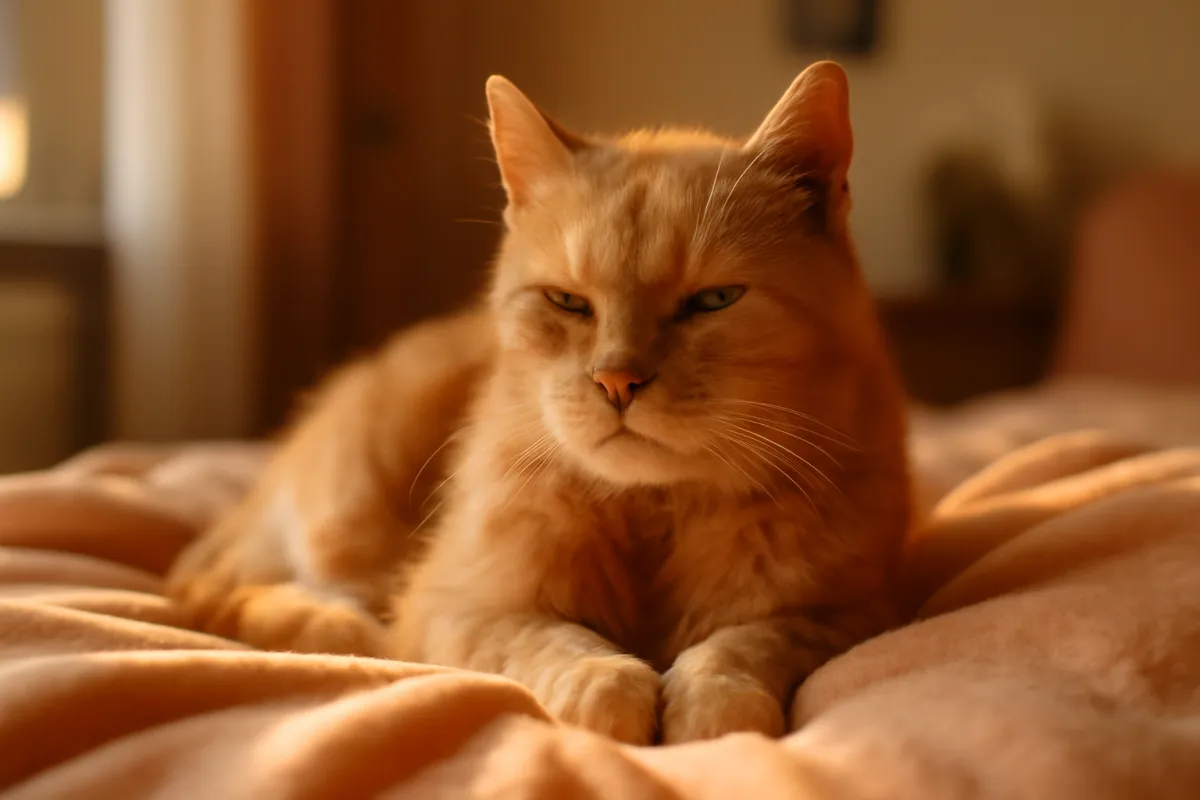
The financial gap is wider than the fee difference suggests. Take a private shelter charging $175 for a kitten and $100 for an adult. The fee difference is $75, but the kitten still owes you the remainder of its vaccine series and, in many cases, the spay or neuter, which together can be another $100 to $150. The adult cat also skips the destructive stage and arrives already litter-trained, a fact first-time cat owners routinely underweight.
Beyond cost, an adult cat is a known quantity. Its adult size, coat, energy level, and much of its temperament are already visible rather than predicted. For anyone who has read our first-month budgeting read and wants to keep the medical bucket as small as possible, the adult route removes a good deal of it.
Senior cats and reduced-fee programs
Most organisations run a reduced or waived fee for cats above a certain age, often somewhere around ten or eleven years. Some pair it with practical support: a discounted first veterinary visit, a supply of a prescription diet, or help with the cost of a dental procedure the cat already needs.
Be clear-eyed about what that trade is. The fee saving is small in the context of a cat’s total cost, and a senior cat is more likely to need bloodwork, dental work, and ongoing monitoring in its first year with you than a young adult would. Our monthly cat cost read shows how quickly a chronic condition or a prescription diet moves the recurring number, and that pressure arrives sooner with an older cat.
What you get in exchange is the most settled, least demanding version of cat ownership available, and usually the most complete medical picture, because an older cat in care has generally had more testing than a young one. If your budget can absorb higher veterinary costs but not the uncertainty of a kitten, this is the sensible end of the market, and the reduced fee is a small bonus rather than the reason.
Kitten season and seasonal fee swings
Cat adoption fees move through the year in a way dog fees largely do not, and the reason is kitten season. Unspayed outdoor and community cats commonly produce litters in a seasonal surge, roughly spring through early autumn in much of the United States, and shelters that are manageable in January can be overwhelmed with kittens by midsummer.
The practical consequence is that fees, and the availability of reduced-fee and waived promotions, swing with the calendar. During peak kitten season, many organisations drop kitten fees, run two-for-one promotions so littermates are not separated, or waive fees outright simply to create space for the next wave of intakes. Outside that window, when kitten inventory is low, fees tend to sit at their standard level and kittens can even be harder to find than adult cats.
This is worth knowing both ways. If timing is flexible, adopting during kitten season can mean a lower fee and more choice. If you are set on a particular age or coat type outside that window, expect to pay the standard fee and possibly wait, because supply and demand genuinely run in opposite directions depending on the month.
Why a waived fee does not make the cat cheaper
This is the honest part, and it deserves its own section because the framing of these events invites the wrong conclusion. A waived fee removes one payment of a hundred dollars or so from a commitment that runs to four figures a year for well over a decade. It changes the first day and nothing after it.
Run the arithmetic. A cat costs an illustrative $50 to $150 a month on an ongoing basis, which is roughly $600 to $1,800 a year, every year, for twelve to eighteen years or more. A $100 fee is a rounding error against that. If the fee was the barrier, the far more useful question is whether the monthly figure is comfortable, because that is the number that decides whether the placement lasts.
There is a second cost that no promotion touches: the first month of setup, which lands whether or not you paid a fee. A carrier, litter boxes, bowls, a bed, a scratching post, litter, food, and a first visit to your own veterinarian arrive together and come to an illustrative $230 for an adult cat. Anyone treating a fee-waived adoption as a free cat is about to meet that bill in week one.
Transport, holds, and the smaller fees around the fee
The headline fee is rarely the only line. Several smaller charges cluster around it, and they are legitimate but easy to be surprised by, particularly with rescues that work across a wide area.
Transport is the largest of them. A rescue that pulls cats from another region, including from an overcrowded shelter during kitten season, charges a transport contribution, commonly a few tens of dollars up to a hundred or so depending on distance, and it is sometimes folded into the fee and sometimes billed separately. Application fees exist at some organisations, usually small and usually non-refundable, and they are there to filter casual enquiries rather than to raise money.
Hold or reservation deposits are common when a kitten is not yet ready to leave, typically because it needs to reach a minimum weight before sterilisation. Those are usually credited against the fee. Sterilisation deposits work the other way: you pay an extra amount that is refunded once you provide proof the surgery was done, which is how many organisations handle kittens released before they are old enough. Licence requirements are rare for cats compared with dogs, but local registration rules exist in some places and are paid to your local authority rather than the shelter. None of this is large on its own, and together it can add fifty dollars or more to what you expected to pay.
The application, the home conversation, and the indoor-only clause
Cat adoptions are usually a lighter process than dog adoptions, but first-timers are still regularly surprised by it. Expect a short written application covering your housing and whether you own or rent, how many people and pets already live with you, whether anyone has cat allergies, and your plan for keeping the cat indoors.
That last point deserves emphasis because it is specific to cats. Many shelters and rescues require, in writing, that the cat be kept strictly indoors, both for its own safety and for local wildlife, and some will decline an application that plans to let the cat roam freely outdoors. Landlord permission in writing is a standard requirement for renters. Foster-based rescues sometimes add a home visit, in person or by video, particularly for a kitten going into a home with young children or other pets.
None of this is designed to catch you out. The organisation is trying to avoid a return, which is costly and hard on the cat. The practical advice is to prepare in advance: have the landlord letter ready, be honest about your indoor-outdoor plans rather than optimistic, and ask directly what the organisation’s policy is before you fall for a particular cat. If you are declined, ask why, and apply elsewhere. Different organisations weigh different things, and a decline is often about a specific match rather than about you.
What you still budget for in the first month
Whatever the fee covered, month one carries its own block of spending, and for most organisations it is larger than the fee itself. For an illustrative adult cat, plan on roughly $230, made up of about $150 of gear, about $50 of litter and food for the month, and about $30 for a first examination with your own veterinarian.

A kitten runs higher, closer to $280, because the remaining rounds of the vaccine series and extra litter-box supplies land inside the same window. A senior cat often lands near $300 once baseline bloodwork and a dental assessment are included. None of these is optional in any meaningful sense, and none of them is affected by whether the fee was $40 or $350.
The first veterinary visit deserves particular emphasis. Book it within the first week or two even if the cat arrives with a complete record, because your practice needs to establish a baseline, verify what has been done, and flag anything the organisation could not have known. Our vet visit cost read prices that appointment, and it is one of the best thirty to fifty dollars in the whole first month.
Returns, trial periods, and the declawing clause
Ask about the return policy before you sign, not because you expect to use it, but because the answer tells you a great deal about the organisation. Nearly every reputable shelter and rescue requires that the cat come back to them rather than being rehomed privately, and that clause will be in the contract.
Many offer a short adjustment or trial window, commonly around two weeks, during which a return is straightforward and the fee is refunded in part or in full. Outside that window a return is normally still accepted, but the fee is rarely refunded because it was spent on the cat before you ever met it. A contract clause specific to cats and worth knowing about in advance: many shelters and rescues prohibit declawing as a condition of adoption, and a growing number of places restrict or ban the procedure by law, so an owner considering it should discuss scratching-management alternatives with a veterinarian rather than assume the option is open.
The more valuable questions are about support rather than refunds. Does the organisation offer behavioural advice after placement. Is there a cat behaviourist they work with or recommend. Will they help if a medical issue emerges that predates the adoption. A rescue that answers those confidently is one that expects to stay involved, and that is worth more than a refund clause.
A worked example: two cats, two fees, one honest comparison
Take two cats at two organisations, and price them properly rather than by their fees.
Cat A is a three-year-old tabby at a private nonprofit shelter with a $100 fee. She is spayed, has her core vaccines, is microchipped, and tested negative for FeLV and FIV on intake. The bundle is complete, so the separate-purchase value is about $400 and you paid roughly 25 percent of it, leaving $300 of services already delivered beyond the fee. First-month setup is $230, so day one to day thirty costs $330. Add eleven further months at an illustrative $100, and the first year lands near $1,430.
Cat B is a four-month-old kitten at a different private shelter with a $175 fee. He has had two rounds of his vaccine series, his FeLV/FIV test, his microchip, and his exam, but is too young to be neutered, so the fee includes a voucher worth roughly half the surgery cost. The delivered bundle is therefore about $300 rather than $400, and you paid 58 percent of it, leaving $125 still to be worked through. First-month setup is $280 because of the remaining vaccine round and extra litter-box supplies. Day one to day thirty costs $455, and the first year lands near $1,555.
Both figures sit near the lower half of our broader first-year cat cost read, which prices a from-scratch kitten acquisition at an illustrative $1,500 to $1,800. These adoption-specific examples land a little below that for Cat A because the bundle is already complete, and close to the top of it for Cat B once the voucher and the remaining visits are counted. Neither is the wrong choice; they are simply different amounts of money at different times, and the cost calculator will show you your own version.
Adoption versus buying from a breeder
Set the two acquisition routes beside each other and the gap is stark at the start and narrow later. An adoption fee of $25 to $400 against a registered-breeder purebred kitten at $600 to $2,500 or more, depending on the breed, is a sizable difference, and the adoption fee usually contains the medical setup that the breeder price does not.
The correct comparison therefore is not fee against price. It is fee plus outstanding medical against price plus full medical. An adopted adult carrying a complete bundle owes you almost nothing beyond the setup. A breeder kitten owes you the entire vaccine series, the spay or neuter, and the microchip, which our Maine Coon cost read and Persian cost read both work through in detail for specific breeds. Our dog adoption fees read covers the same comparison for dogs, and the logic transfers directly.
Where the routes converge is everything after year one. Food, litter, routine care, and the emergency fund are set by the cat’s health and your own choices, not its origin. Our monthly cat cost read prices that recurring line, and it does not care where the cat came from. Adoption changes the first cheque decisively and the hundredth one barely at all.
Where the adoption fee sits in your first-year budget
Zoom out and the fee is small. Against a first year of roughly $1,400 to $1,800, a $100 fee is somewhere between 6 and 7 percent of the total, and against a lifetime cost it disappears entirely. The block it belongs to, the one-time startup spending, is itself the smallest of the year’s buckets for most owners.
That matters because of where attention goes. Adopters routinely spend time comparing fees across organisations and far less time on the recurring lines that will actually determine affordability. Reversing that is the single most useful thing this cost read can prompt. Price the monthly number first, using our monthly cat cost read as a starting point, and treat the fee as a detail.
The one exception is the emergency reserve. Whatever you save on the fee is best moved straight into the fund that covers an unexpected veterinary bill, because that is the cost that ends placements. Our pet emergency read and our cat insurance note set out the two ways of handling it, and a newly adopted cat is exactly when that decision should be made rather than deferred.
How to lower what you pay without cutting corners
There are honest ways to reduce this cost, and they mostly involve choosing differently rather than negotiating.
- Adopt an adult rather than a kitten. The largest single saving available, because it cuts the fee meaningfully and delivers a complete medical bundle instead of a partial one.
- Start with the municipal shelter. Publicly funded organisations charge the least for the same bundle, and their cats are the ones under the most time pressure.
- Time it around kitten season, if your schedule allows. Fees and promotions move with the calendar, and a flexible timeline can mean a lower fee and more choice.
- Confirm the sterilisation status before you commit. An unaltered cat with a voucher is a $150 to $250 obligation you are taking on, and it belongs in your comparison.
- Register the microchip yourself, immediately. It is usually free or a few dollars, and an unregistered chip is worthless. Check whose details are on it.
- Take the free first visit if it is offered. Many organisations partner with a practice for a complimentary or discounted initial exam, and it is a genuine $40 to $60 saving.
- Do not economise on the setup. A litter box that is too small, a carrier that fails, or skipped parasite prevention costs more than it saves. Trim the toys and the boutique bed instead.
What is not a saving is skipping the things the bundle was going to cover anyway. A cheaper fee attached to an unaltered, unvaccinated cat is a deferral, not a discount, and the deferred bill is larger than the difference.
The bottom line
Cat adoption fees run an illustrative $25 to $400, occasionally higher for a sought-after kitten at a breed-specific rescue, and the number is set by the organisation’s funding model and by demand, including the kitten-season calendar, rather than by anything about the cat. That makes the fee a poor thing to compare on directly and an excellent thing to understand.
The comparison that matters is between the fee and what it contains. A standard bundle of spay or neuter, core vaccines, a feline leukemia and FIV test, a microchip, deworming, and an intake exam runs an illustrative $400 bought separately for an adult cat, so most fees recover well under half of what has already been spent. A $150 rescue fee covering a complete bundle is better value than a $75 fee covering half of one, which is the whole argument in a sentence.
Then let go of the fee and look at the real numbers. The first month costs an illustrative $230 for an adult cat regardless of what you paid, the first year lands somewhere around $1,400 to $1,800, and the recurring cost of $50 to $150 a month runs for well over a decade. Ask for the itemised record, ask about the indoor-only clause and the return policy, and put your effort into the monthly figure. Run your own version through the cost calculator before you fill in the form, not after.
MuttMark publishes this cost read for planning and education, and it is not veterinary, legal, or financial advice. Every dollar amount above is an illustrative planning range assembled to show how the pieces relate, never a quote, and real fees, bundles, and policies differ by organisation and region. Adoption requirements, contracts, declawing restrictions, and return terms are set locally and change, so confirm them with the shelter or rescue itself. Any question about a specific cat’s health, vaccination status, FeLV or FIV result, or suitable timing for surgery belongs with a licensed veterinarian who has examined the animal.
Frequently asked questions
How much are cat adoption fees?
As an illustrative range, cat adoption fees commonly run somewhere between $25 and $400, with municipal shelters at the low end, private nonprofit shelters and foster-based rescues in the middle, and breed-specific or purebred rescues placing a sought-after kitten at the top. A purebred kitten from a breed-specific rescue can sit near $350 to $400, because demand is high and the rescue has usually paid for health screening and foster care. The single biggest reason the numbers scatter is that a fee is set by what the organisation needs to recover, not by any market price for the cat. Ask each place you contact what its fee covers before you compare two numbers, because the cheaper fee is not always the cheaper cat.
What does a cat adoption fee include?
Most shelters and rescues bundle the basic medical setup into the fee: the spay or neuter, the core FVRCP vaccines and often a first rabies shot, a feline leukemia and FIV test, a microchip, and usually a deworming and a fecal check. Many also include an intake examination, and some add a starter bag of food, a litter sample, or a short trial of parasite prevention. Priced separately at a general practice, that medical block commonly runs an illustrative $400 for an adult cat, which is why a fee of a hundred dollars or so can represent real value rather than a price tag. What is included varies by organisation, so ask for the written list rather than assuming.
Why do kittens cost more to adopt than adult cats?
Kitten fees are higher almost entirely because demand for kittens is higher, and a higher kitten fee helps an organisation subsidise the adult and senior cats that wait far longer for a home. There is a smaller cost reason too: a young kitten has usually only had part of its vaccine series and is not yet old enough for the spay or neuter, so the organisation either carries more medical cost ahead or issues a voucher. As an illustrative pattern, the same shelter might ask around $100 for an adult cat and around $175 for a kitten. Adopting an adult often means paying less for a cat whose medical setup is already complete.
Are fee-waived cat adoption events a good deal?
A fee-waived or reduced-fee event is a genuine saving on the one-time acquisition cost, and the cats in those events have usually had the same medical work as every other animal in the building. What a waived fee does not change is the ongoing cost of the cat, which is where most of the money goes over time: food, litter, parasite prevention, routine veterinary care, and whatever you set aside for emergencies. If a fee is the obstacle, the honest question is whether the roughly $50 to $150 a month that follows is affordable. Waiving the fee is a way to move cats out of kennels faster, not a discount on cat ownership.
What is the application and home check process like for a cat?
Most organisations ask for a short written application covering your housing, your household, whether anyone has allergies, and whether the cat will be kept strictly indoors, which many rescues require as a condition of adoption. Some follow up with a phone conversation, and foster-based rescues sometimes add a home visit, in person or by video. Landlord permission is a common requirement for renters. The process is usually faster than a dog adoption, often a matter of days rather than weeks, and being asked follow-up questions is routine rather than a sign of trouble.
What else should I budget for in the first month with a new cat?
Regardless of what the fee covered, plan for the setup you buy once and the care that starts immediately. For an illustrative adult cat that block comes to roughly $230: around $150 of gear such as a carrier, litter boxes, bowls, a bed, and a scratching post, around $50 of litter and food for the month, and around $30 for a first examination with your own veterinarian. A kitten runs higher, closer to $280, because the remaining vaccine rounds and more litter-box supplies land in the same window. Treat these as planning ranges rather than quotes.
Can I return an adopted cat if it does not work out?
Almost every reputable shelter and rescue asks that the cat come back to them rather than being rehomed privately, and that requirement is usually written into the adoption contract along with an indoor-only clause and, at many organisations, a condition against declawing. Many offer a short adjustment window, often a couple of weeks, during which a return is straightforward and the fee may be refunded in part or in full. Outside that window a return is normally still accepted but the fee is rarely refunded, because it has already been spent on the cat's care. Ask what the return policy is and what support is available before you decide the placement has failed.
Is adopting a cat really cheaper than buying from a breeder?
On the one-time acquisition cost, adoption is usually far cheaper: an illustrative $25 to $400 fee against a purebred kitten price that commonly runs $600 to $2,500 or more from a registered breeder, depending on the breed. The gap widens once you count the medical setup, because the adoption fee normally bundles the spay or neuter, the core vaccines, and the microchip, while a breeder price generally does not. Where the two paths converge is the ongoing cost, which is set by the cat's health and your own choices rather than by where it came from. Adoption changes the first cheque, not the fifteen years of monthly ones.