What's on this page
- The short answer: what can puppies eat
- Can puppies eat strawberries and other fruit
- How a puppy is different from an adult dog
- The 90 10 rule for puppy treats
- Safe human foods puppies can eat
- Safe fruits for puppies
- Safe vegetables for puppies
- Safe proteins and grains for puppies
- Toxic foods puppies must never eat
- Why grapes and raisins are so dangerous
- Chocolate, caffeine, and xylitol
- Onions, garlic, and other alliums
- Macadamia nuts and other risky nuts
- Avocado, alcohol, and other foods to skip
- Choking hazards, cooked bones, and pits
- How to introduce a new food to a puppy
- Portion sizes and how much is too much
- Food allergies and sensitivities in puppies
- Signs your puppy ate something toxic
- A worked example: safe treats in a puppy’s day
- Common mistakes feeding a puppy human food
- A puppy food safety checklist
- How food fits your puppy budget
- The bottom line
Short answer: Puppies should get almost all of their nutrition from a complete puppy food, with safe human foods as occasional treats kept near ten percent of daily intake. Safe in small plain amounts: strawberries, blueberries, banana, seedless apple, watermelon, carrots, green beans, plain pumpkin, unseasoned cooked chicken and plain rice. Never feed grapes or raisins, chocolate, onions or garlic, xylitol, macadamia nuts, alcohol, raw yeast dough or cooked bones. Introduce one new food at a time.
What can puppies eat safely, and which everyday foods should never touch their bowl? It is one of the first questions a new owner asks, usually while a hopeful puppy stares up from the kitchen floor, and the honest answer has two halves. Plenty of plain human foods, from strawberries and blueberries to carrots and plain chicken, are perfectly fine for most healthy puppies in small amounts. A handful of common foods, though, are genuinely toxic to dogs and can cause serious harm, so knowing the difference is one of the more important things you will learn as a new owner.
This field guide sorts puppy food into what is safe, what needs caution, and what is dangerous, then explains how to feed the safe foods without unbalancing a growing puppy’s diet. It covers the fruits and vegetables owners ask about most, including whether a puppy can eat strawberries, the plain proteins and grains that are gentle on young stomachs, and the toxic list that matters most: grapes and raisins, chocolate, onions and garlic, xylitol, and macadamia nuts. It also walks through portion sizes, how to introduce a new food, food allergies, and what to do if your puppy eats something it should not. Feeding sits inside the wider picture our read on how much a puppy costs lays out, and you can size your own bowl in the calculator.
Key takeaways
- Many plain foods are safe for healthy puppies in small amounts, including strawberries, blueberries, banana, seedless apple, carrots, green beans, pumpkin, plain cooked chicken, and plain rice.
- Some foods are genuinely toxic and must never be fed: grapes and raisins (kidney failure), chocolate, onions and garlic, xylitol, and macadamia nuts.
- Treats and human foods should make up no more than about ten percent of a puppy's daily intake, with the rest coming from a complete puppy food.
- Introduce new foods one at a time in tiny amounts, serve them plain and cut to a safe size, and watch for any stomach upset or allergic reaction.
- When in doubt, and always for a young, small, or sick puppy, ask your veterinarian before offering a new food, and treat any suspected toxic exposure as urgent.
The short answer: what can puppies eat
The short version is that a puppy should get almost all of its nutrition from a complete, balanced puppy food, with safe human foods added only as occasional treats. Puppies grow astonishingly fast, and that growth depends on a diet built for the job, so the bowl comes first and the extras stay small. Within that frame, a good number of plain foods are safe to share, and a smaller number are dangerous enough that they are worth memorizing.
Safe options for most healthy puppies include several fruits (strawberries, blueberries, banana, seedless apple, watermelon), several vegetables (carrots, green beans, plain pumpkin), and plain proteins and grains (unseasoned cooked chicken, plain rice). The common thread is that they are plain, simple, and served in small pieces, with nothing fried, salted, buttered, spiced, sauced, or boned. The dangerous list is shorter but non-negotiable: grapes and raisins, chocolate, onions and garlic, xylitol, macadamia nuts, alcohol, raw yeast dough, and cooked bones.
The rest of this article takes those lists one at a time and explains how to feed the safe foods without derailing a growing puppy’s nutrition. Every figure here is an illustrative planning range rather than a precise rule, and the single most useful habit is to check with your veterinarian before adding a new food, especially while your puppy is young, small, or unwell.
Can puppies eat strawberries and other fruit
Yes, most healthy puppies can eat strawberries, and they are one of the more popular fruits to share because they are naturally sweet and low in calories. The care is in the preparation and the portion. Wash the berry, pull off the leafy green stem, and cut it into small pieces sized to your puppy so it is easy to chew and swallow without any choking risk. Because strawberries carry natural sugar, they belong in the treat column rather than the daily bowl, and a couple of small pieces is plenty for a young puppy.
Fruit in general follows the same pattern: many are safe in small amounts, the sugar means moderation, and the preparation matters more than owners expect. Blueberries are an easy, low-calorie training treat. Banana is fine as a thin slice but is high in sugar. Apple is safe once you remove the core and every seed, because apple seeds contain a compound that releases cyanide when chewed. Watermelon flesh is fine with the seeds and rind removed. Grapes and raisins, by contrast, sit on the toxic list and must never be given, which is exactly why fruit is a category to sort carefully rather than assume.
The best way to try any new fruit is to offer a small piece on its own, then wait a day and watch for loose stools or an upset stomach before offering it again. If your puppy has a sensitive digestive system or any health condition, run the idea past your veterinarian first. You can see how a single safe food scores in the interactive companion below, which turns a food and a puppy weight into a plain safe, caution, or toxic verdict and an illustrative treat budget.
How a puppy is different from an adult dog
A puppy is not a small adult dog when it comes to food, and that difference shapes everything in this article. Puppies are building bone, muscle, and organs at a remarkable pace, and their complete puppy food is formulated with the protein, fat, calcium, and calories that growth requires. That is why extras have to stay modest: every treat that displaces balanced puppy food nudges the overall diet away from what the growing body needs, and large or giant breeds are especially sensitive to getting the balance of growth nutrition right.
Puppies also have more delicate digestion than a settled adult dog. A sudden new food, a rich or fatty scrap, or too many treats at once can cause loose stools or vomiting more readily in a young puppy than in a grown dog. Their smaller size means a portion that would barely register for a big adult dog can be a meaningful share of a puppy’s day, so the same food often calls for a smaller piece and more caution. This is one reason the introduce-slowly habit matters even more for puppies than for adults.

The practical upshot is to lean conservative. Keep the complete puppy food as the foundation, add safe foods in genuinely small amounts, change things gradually, and treat your veterinarian as the reference for what suits your specific puppy’s age, breed, and health. A food that is fine for an adult dog in a moderate serving may be too much for a small puppy in the same serving, so scale to the animal in front of you.
The 90 10 rule for puppy treats
The simplest way to keep treats from unbalancing a puppy’s diet is the ten percent rule: treats and extras of every kind, including safe human foods, should make up no more than about ten percent of your puppy’s daily calories, with the other ninety percent coming from a complete, balanced puppy food. It is a rule of thumb rather than a law of nature, but it captures the right idea, which is that the growth diet does the heavy lifting and the extras are a small bonus on top.
The ten percent rule for a puppy's day
How a puppy's daily food should split between its complete diet and all treats combined. Illustrative shares.
The ten percent covers everything extra: training treats, chews, and any human food, not ten percent of each. Keep the balanced puppy food as the foundation of the diet.
The reason the rule matters so much for puppies is that their nutrition is doing a growth job, not just a maintenance one. If treats creep past that tenth of the day, they start to crowd out the balanced calories the puppy needs, and rich extras can also loosen a young stomach. The ten percent is a combined budget, not ten percent per food, so a busy day of training treats and a chew leaves little room for a slice of banana on top.
Keeping to the rule is mostly about counting treats honestly across the whole day and choosing low-calorie options where you can, which is part of why a blueberry or a small piece of carrot is such a handy training reward. If you are ever unsure how much is reasonable for your puppy’s size and stage, ask your veterinarian, who can give you a target that fits your particular puppy rather than a generic share.
Safe human foods puppies can eat
Plenty of plain foods are safe to share with a healthy puppy in small amounts, and the table below gathers the ones owners ask about most alongside how to serve each. The unifying theme is plain and simple: nothing fried, salted, buttered, spiced, sauced, or containing bones, and everything cut to a size your puppy can chew and swallow safely. Serve each as an occasional treat inside the ten percent budget, not as a replacement for a meal.
| Food | Safe for puppies? | How to serve |
|---|---|---|
| Strawberries | Yes, in moderation | Washed, stem removed, cut small; natural sugar, so keep it occasional |
| Blueberries | Yes | A few at a time; a handy low-calorie training treat |
| Banana | Yes, small amounts | A thin slice; high in sugar, so a little goes a long way |
| Apple | Yes, no seeds or core | Thin slices, seeds and core removed (seeds contain a cyanide compound) |
| Watermelon | Yes, no seeds or rind | Small seedless cubes, flesh only |
| Carrots | Yes | Raw or cooked, cut into safe pieces; a crunchy low-calorie chew |
| Green beans | Yes, plain | Plain cooked or raw, no salt, butter, or seasoning |
| Pumpkin | Yes, plain | Plain cooked or canned pumpkin, never spiced pie filling |
| Plain cooked chicken | Yes | Boneless, skinless, unseasoned, fully cooked, cut small |
| Plain white rice | Yes | Fully cooked and plain; a common bland-diet ingredient |
Use the table as a starting point rather than a shopping list to work through all at once. The goal is not to give your puppy a wide variety of human foods, but to have a few safe, low-calorie options you can reach for as treats or training rewards while the complete puppy food does the real nutritional work. Even safe foods can upset a stomach if you offer too much or too many new things at once, so keep portions small and changes gradual. When you introduce anything from this list, do it one food at a time, and check with your veterinarian if your puppy is very young or has any health issue.
Safe fruits for puppies
Fruit is the category owners most often want to share, and several fruits are genuinely fine for a puppy in small, prepared portions. Strawberries, as covered above, are safe washed and cut with the stem removed. Blueberries are one of the easiest choices because they are small, low in calories, and pop straight into a treat pouch, which makes them a favorite training reward. Banana is safe as a thin slice, though its high natural sugar means it should stay a small, occasional treat rather than a daily habit.
Apple is safe and refreshing once prepared correctly, which means removing the entire core and every seed first, since apple seeds contain amygdalin, a compound that releases cyanide when chewed, and the core is a choking hazard. Thin apple slices are then a fine crunchy treat. Watermelon flesh is safe and hydrating in hot weather, provided you remove all the seeds and the hard rind, both of which can cause a blockage. Across all of these, the sugar content is the reason moderation matters, because too much fruit sugar can loosen a young puppy’s stomach.
The fruits to keep firmly off the menu are grapes and raisins, which are toxic to dogs and appear again in the danger section below, and any fruit pit or large seed, which brings both a choking risk and, for stone fruits, a cyanide concern. The safe habit with fruit is the same one that runs through this article: introduce a small piece of one fruit on its own, wait and watch for any stomach upset, and keep the total within the daily treat allowance. If your puppy reacts to a new fruit, or if you are unsure whether a fruit is suitable, your veterinarian is the right person to ask.
Safe vegetables for puppies
Vegetables are some of the best treats for a puppy because many are low in calories and satisfying to chew, which makes them useful for training and for a puppy that always seems hungry. Carrots are a classic: safe raw or cooked, naturally sweet, and crunchy enough to be a satisfying chew, provided you cut them into pieces sized to your puppy so a whole carrot or a large chunk is not a choking risk. A cool carrot piece can also be soothing for a teething puppy, though you should still supervise any chewing.
Green beans are another easy, low-calorie option, safe served plain, whether raw or cooked, as long as they carry no salt, butter, oil, or seasoning. Plain pumpkin is a favorite for a different reason: it is high in fiber and gentle on the stomach, which is why a small spoon of plain cooked or canned pumpkin is sometimes suggested for mild digestive upset. The critical word is plain, because spiced pie filling contains sugar and spices such as nutmeg that are not appropriate for a puppy, so only ever use plain pumpkin with nothing added.
As with fruit, the safe approach is to keep portions small, serve everything plain, and introduce one vegetable at a time so you can spot any reaction. Vegetables are a good example of how a treat can be both a reward and a low-calorie choice that fits comfortably inside the ten percent budget. If your puppy has any digestive sensitivity, or if you are managing an ongoing tummy issue, treat pumpkin and bland foods as a short-term comfort rather than a fix, and loop in your veterinarian rather than managing it alone at home.
Safe proteins and grains for puppies
Plain cooked chicken and plain white rice are two of the safest and most useful human foods for a puppy, which is exactly why they show up in the bland meals veterinarians often suggest for a mild, short-lived stomach upset. The rules are simple but firm. The chicken must be boneless, skinless, fully cooked, and completely unseasoned, with no onion, garlic, butter, oil, or salt, and cut into small pieces your puppy can manage. The rice should be plain white rice, fully cooked, with nothing added. Served this way, both are gentle and widely tolerated.
A plain cooked egg is another safe protein in small amounts, and plain oatmeal, cooked and unsweetened, can be a gentle grain for some puppies. The theme remains plain preparation: the danger with proteins and grains is almost never the base food and almost always what gets added to it, whether that is salt, butter, sauce, onion, garlic, or bones. Cooked bones in particular are dangerous, because they splinter and can choke a puppy or perforate the gut, so plain chicken always means boneless chicken.
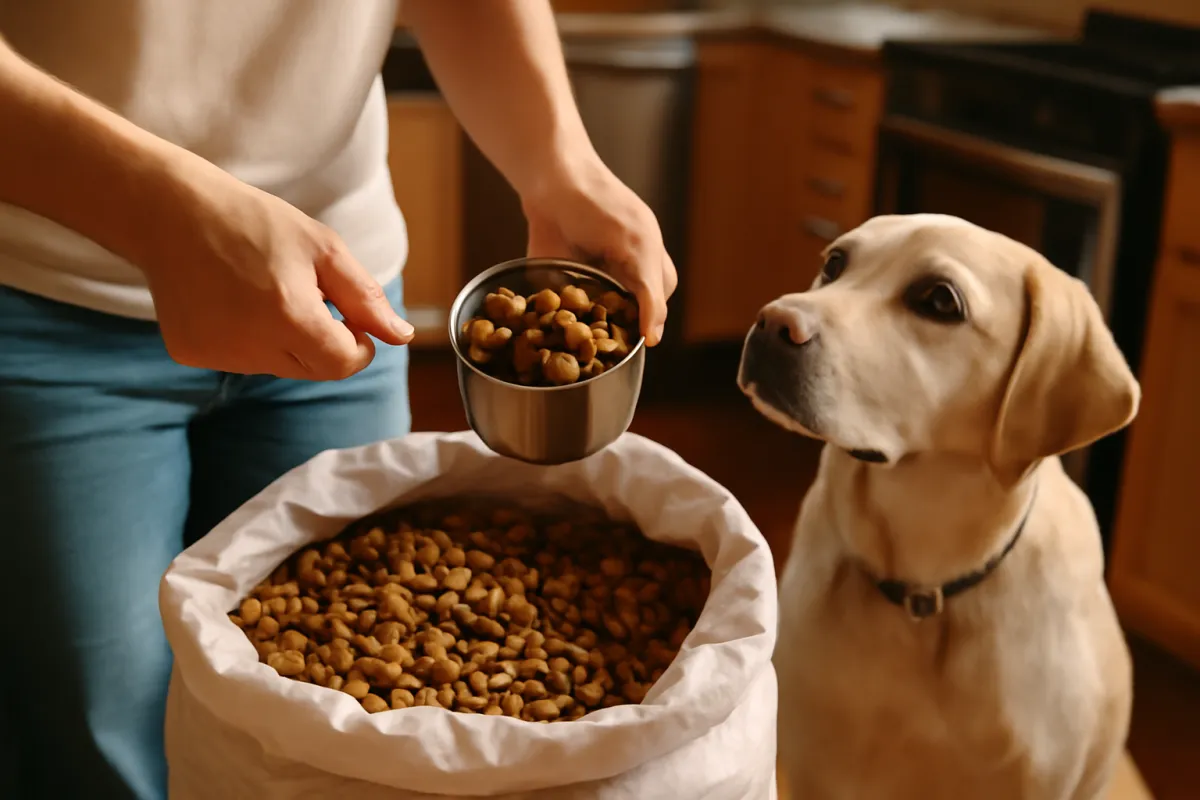
The important caveat is that a bland chicken-and-rice mix is comfort food, not complete nutrition. It lacks the full balance of nutrients a growing puppy needs, so it is fine for a short stretch or as an occasional treat but should never replace a complete puppy food for long. If your puppy needs a bland diet for more than a day or two, or if the stomach trouble keeps returning, that is a reason to call your veterinarian, as our read on lowering your vet bills notes that catching a problem early is almost always cheaper than waiting.
Toxic foods puppies must never eat
This is the section to read twice, because these foods are genuinely toxic to dogs of any age and a puppy’s small size makes the risk worse. None of them belongs anywhere a puppy can reach, and none is safe in even a small amount. The table lists the most important ones, and the sections that follow explain the worst offenders in more detail so the danger is clear rather than abstract.
| Food | Why it is dangerous | Risk level |
|---|---|---|
| Grapes and raisins | Can cause sudden kidney failure, even in small amounts | Toxic, never feed |
| Chocolate | Theobromine and caffeine are poisonous to dogs | Toxic, never feed |
| Onions, garlic, chives, leeks | Damage red blood cells and cause anemia | Toxic, never feed |
| Xylitol (birch sugar) | Triggers a dangerous blood-sugar crash and liver failure | Toxic, never feed |
| Macadamia nuts | Cause weakness, tremors, and overheating | Toxic, never feed |
| Caffeine (coffee, tea, energy drinks) | Same stimulant danger as chocolate | Toxic, never feed |
| Alcohol and raw yeast dough | Cause poisoning; dough expands and ferments in the stomach | Toxic, never feed |
| Cooked bones | Splinter and can choke or perforate the gut | Dangerous, never feed |
| Avocado | Pit is a choking and blockage hazard; flesh best avoided | Best avoided |
The safest way to handle every food on this list is prevention: store them where a curious puppy cannot reach, keep bags and wrappers off low counters and out of open bins, and make sure the whole household knows the list, because a well-meaning family member slipping a puppy a piece of chocolate or a grape is a common way these poisonings happen. If your puppy does get into any of these, do not wait for symptoms; contact your veterinarian or an animal poison control service immediately, as covered later in this article.
Why grapes and raisins are so dangerous
Grapes and raisins deserve their own section because they surprise people and because the danger is serious. They are toxic to dogs and can cause sudden, acute kidney failure, and what makes them especially frightening is that the toxic amount is unpredictable: some dogs react to a very small quantity, and there is no known safe amount. Raisins are simply dried grapes, so they carry the same danger in a more concentrated, easy-to-drop form, which means raisin cookies, trail mix, and cereal are all hidden hazards worth thinking about.
Because the reaction is unpredictable and the consequences are severe, the only sensible rule is zero: no grapes, no raisins, no grape juice, and none of the baked goods and snack mixes that contain them. Do not treat a single grape as harmless, and do not wait to see whether your particular puppy reacts, because by the time symptoms such as vomiting, lethargy, or reduced appetite appear, kidney damage may already be underway.
If you know or suspect your puppy ate a grape or a raisin, treat it as an emergency and contact your veterinarian or an animal poison control service right away, with a rough sense of how much and when. Fast action matters here more than almost anywhere else on the toxic list, because early treatment aimed at protecting the kidneys is far more effective than waiting for illness to set in. This is exactly the kind of scenario our read on preparing for a pet emergency is built for, so knowing your poison-control number in advance is worth the two minutes it takes.
Chocolate, caffeine, and xylitol
Chocolate is probably the best-known dog toxin, and for good reason: it contains theobromine and caffeine, stimulants that dogs cannot process the way people do. Darker and more bitter chocolate is more dangerous because it holds more theobromine, so baking chocolate and dark chocolate are worse than milk chocolate, but no chocolate is safe for a puppy. Signs of chocolate poisoning can include vomiting, restlessness, a racing heart, tremors, and worse, so any chocolate a puppy eats is a reason to call for advice rather than wait and see.
Caffeine is the same family of danger, which means coffee, coffee grounds, tea, and energy drinks are all off-limits, and a puppy that gets into coffee grounds or a discarded tea bag can take in a meaningful dose for its size. Keep mugs, grounds, and wrappers out of reach, because these are easy for a nosy puppy to find.
Xylitol may be the most underappreciated toxin on this list because it hides in everyday products. It is an artificial sweetener, sometimes labeled as birch sugar, found in sugar-free gum, mints, some baked goods, certain peanut butters, and even some medicines and dental products. In dogs it can trigger a rapid, dangerous drop in blood sugar and, at higher exposures, liver failure, and it acts fast. This is why you must always check the label on peanut butter before sharing any with a puppy, since a xylitol-sweetened jar turns a normally safe treat into a poison. Any suspected xylitol exposure is an immediate call to your veterinarian or poison control.
Onions, garlic, and other alliums
Onions and garlic, along with their relatives chives, leeks, and shallots, are toxic to dogs, and this one catches owners off guard because these ingredients are woven through so much of what people cook. The allium family damages a dog’s red blood cells and can lead to anemia, and the danger applies whether the food is raw, cooked, powdered, or dried. Garlic and onion powder are particularly sneaky because they are concentrated and turn up in seasonings, broths, sauces, baby food, and many prepared human dishes.
That reach is exactly why the plain rule runs all the way through this article. A piece of plain cooked chicken is a safe treat, but the same chicken cooked in onion and garlic, or in a seasoned broth, becomes unsafe. Table scraps from a family meal are risky for this reason, since so many recipes start with onion and garlic, and gravy, stuffing, and many leftovers are built on them. Sharing a bite of your dinner is one of the more common ways a puppy ends up with an allium in its bowl without anyone intending it.
The practical guidance is to keep a puppy’s food genuinely plain and to be wary of prepared or seasoned human foods even when the base ingredient looks harmless. Read labels on anything processed, and assume that a savory human dish contains onion or garlic unless you made it yourself and left them out. If your puppy eats a food that contains onion or garlic, especially a concentrated form like onion powder or a large amount, contact your veterinarian for advice rather than assuming a small taste is fine.
Macadamia nuts and other risky nuts
Macadamia nuts are specifically toxic to dogs, and even a relatively small number can cause a distinctive set of signs including weakness, especially in the back legs, tremors, vomiting, and a raised body temperature. The exact mechanism is not fully understood, but the effect is well recognized, so macadamia nuts and anything containing them, such as certain cookies and baked goods, should never be given to a puppy and should be stored out of reach.
Nuts in general are a poor idea for puppies even beyond the macadamia problem. Many nuts are very high in fat, which can upset a puppy’s stomach and, in larger amounts, contribute to painful inflammation of the pancreas. Their size and hardness also make whole nuts a genuine choking hazard for a small puppy, and salted or flavored nuts add sodium and seasonings that are not suitable. Moldy nuts carry their own separate risk from the molds that can grow on them.
Because the safe-versus-unsafe picture for nuts is muddled and the downsides are real, the simplest policy is to keep nuts of all kinds away from puppies rather than trying to remember which are merely fatty and which are outright toxic. Peanut butter is the common exception owners reach for, and plain, unsalted peanut butter is generally fine in small amounts, but only after you have checked the label to confirm it contains no xylitol. As always, if your puppy gets into macadamia nuts or eats a quantity of any nut, call your veterinarian for guidance.
Avocado, alcohol, and other foods to skip
A few remaining foods round out the do-not-feed picture. Avocado is a food best avoided for puppies: it contains a substance called persin, and while dogs are less sensitive to it than some animals, the bigger practical dangers are the large pit, which is a serious choking and intestinal blockage hazard, and the high fat content of the flesh, which can upset a stomach. The safe call is to keep avocado, guacamole (which usually also contains onion and garlic), and avocado pits away from your puppy.
Alcohol is straightforwardly dangerous and should never be within a puppy’s reach, including foods cooked with significant alcohol and drinks left unattended, because a small body is badly affected by even a small amount. Raw yeast dough is a related hazard that owners forget: if a puppy eats rising dough, it can continue to expand in the warm stomach and also ferment into alcohol, causing both a painful bloated belly and alcohol poisoning, so bread dough left to rise on a counter is a real risk.
Beyond the outright toxins, several everyday foods are simply unsuitable and best skipped: very salty snacks, fatty trimmings and fried foods that can trigger pancreatitis, cooked bones that splinter, and heavily sugared or artificially sweetened treats. Corn on the cob deserves a mention of its own, not because the corn is toxic but because a puppy can swallow the cob and cause a dangerous blockage. When a food is not clearly safe and plainly prepared, the wise default with a growing puppy is to leave it out and ask your veterinarian if you are unsure.
Choking hazards, cooked bones, and pits
Not every food danger is a poison. Some of the most common emergencies come from choking and blockages, and puppies are especially prone because they explore with their mouths and often gulp rather than chew. Cooked bones are a leading example: cooking makes bones brittle, so they splinter into sharp fragments that can lodge in the throat, choke a puppy, or perforate the stomach or intestines. This is why plain cooked chicken must always be boneless, and why leftover bones from any meal should go straight into a secure bin.
Pits and large seeds are the other frequent culprit. The pit of an avocado, peach, plum, cherry, or apricot is the wrong size for a puppy in exactly the way that causes a blockage, and stone-fruit pits carry a cyanide concern on top of the physical risk. Apple seeds and cores, grape stems, corn cobs, and fruit pits all belong out of reach, and any fruit you share should be pitted, cored, and cut down first. The size rule is simple: if a piece is big enough to lodge in your puppy’s throat or gut, cut it smaller or skip it.
The safe habits here are mostly about preparation and supervision. Cut treats to a size your puppy can actually chew, supervise chewing rather than leaving a puppy alone with a hard item, and keep bones, pits, cobs, and packaging where a puppy cannot reach them. If your puppy is choking, gagging repeatedly, retching without producing anything, or seems to have swallowed something it should not, treat it as urgent and contact your veterinarian or an emergency clinic straight away.
How to introduce a new food to a puppy
The way you introduce a food matters almost as much as the food itself, because even a perfectly safe treat can upset a young stomach if it arrives suddenly or in quantity. The reliable method is to change one thing at a time. Offer a small piece of a single new food on its own, then wait a day or so and watch how your puppy handles it before offering it again or trying anything else. If you introduce three new foods at once and your puppy gets an upset stomach, you will have no idea which one caused it.
Start smaller than you think you need to, especially with a young or small puppy. A single blueberry, a thin slice of banana, or one small piece of carrot is a genuine tasting portion for a puppy, and you can always give a little more next time once you know it agrees with them. Watch for loose stools, vomiting, gas, or any sign of itching or discomfort in the hours and day after, and if you see a reaction, stop that food and let things settle before trying anything new.
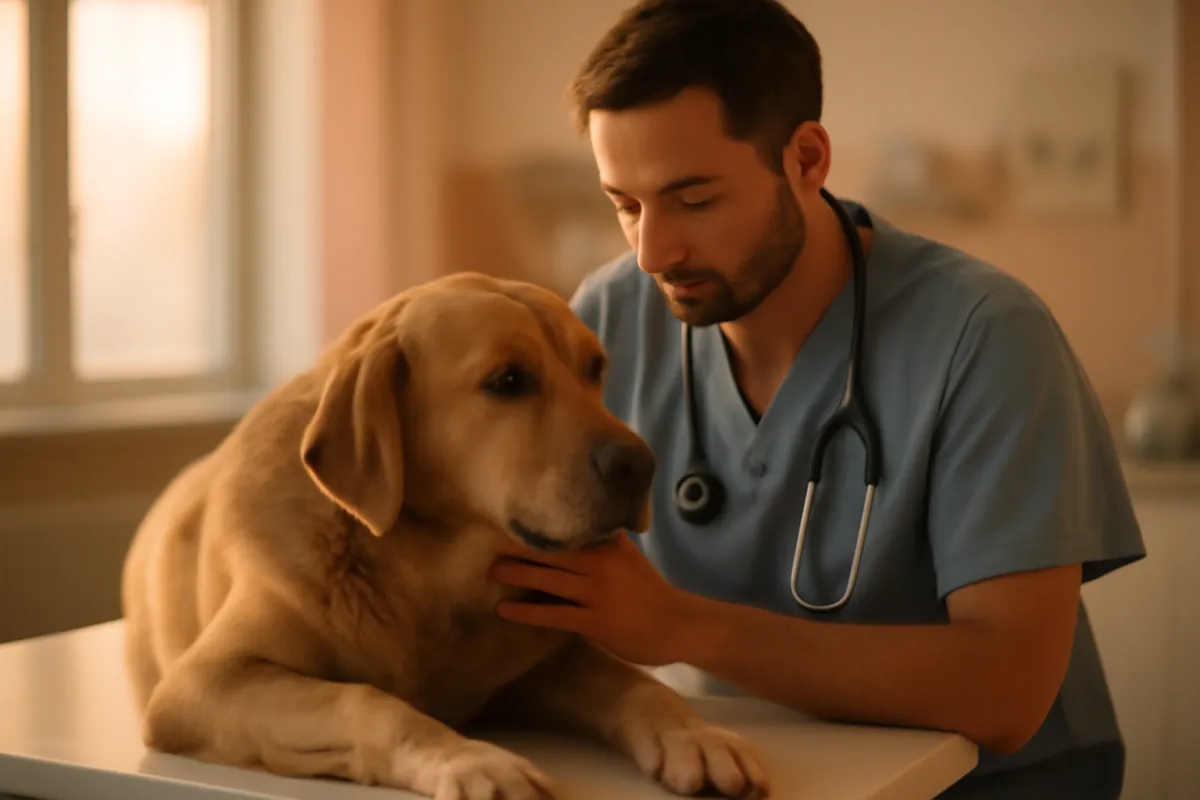
This slow, one-at-a-time approach is also how you keep the treat budget honest, because it naturally limits how many extras appear in a day. It pairs well with keeping the complete puppy food consistent, since abrupt changes to the main diet are their own common cause of stomach upset. When you do plan to change your puppy’s main food, do it gradually over several days by mixing increasing amounts of the new food into the old, and ask your veterinarian for guidance if your puppy is prone to a sensitive stomach.
Portion sizes and how much is too much
Portion is where good intentions most often go wrong, because a treat that looks tiny to a person can be a real share of a small puppy’s day. The ten percent rule sets the ceiling for all treats combined, but the actual calorie budget behind that tenth depends heavily on your puppy’s size. A five-pound toy-breed puppy has a very small allowance, while a growing large-breed puppy has a much bigger one, so the same slice of banana is a bigger deal for the little one.
Illustrative daily treat budget by puppy weight
Roughly ten percent of estimated daily calories, the room for all treats and human foods combined. Illustrative figures, not a feeding prescription.
Budgets are illustrative, based on an estimate of a growing puppy's daily calories. A small puppy's treat room is a few blueberries or a small carrot piece, not a handful.
The chart shows why the same rule feels so different across sizes. For a small puppy, the whole day’s treat allowance might be a few blueberries or one small piece of carrot, while a large-breed puppy has room for a bit more. These are illustrative planning figures rather than a feeding prescription, and a puppy’s real needs shift quickly as it grows, so treat them as a shape to reason from, not a target to hit. The companion turns your puppy’s weight into its own illustrative treat budget alongside the food-safety check.
The honest guidance is to count treats across the whole day, favor low-calorie options like carrot and green bean for training when you will be giving many rewards, and remember that chews and dental treats count too. If your puppy is gaining weight too quickly, growing unevenly, or you are unsure how treats fit around its meals, your veterinarian can give you a portion target suited to your puppy’s breed and growth stage, which matters more than any generic number.
Food allergies and sensitivities in puppies
Puppies, like people, can react badly to particular foods, and there is a useful distinction between a food intolerance or sensitivity, which usually shows up as digestive upset, and a true food allergy, which involves the immune system and often shows up on the skin. In practice, the signs owners notice most are loose stools, vomiting, or gas after a food, and itching, red skin, ear trouble, or paw licking that lingers. Any of these is a reason to slow down and pay attention rather than push on with new foods.
This is the strongest practical argument for the one-food-at-a-time habit, because it is the only way to connect a reaction to a cause. If your puppy does react, note what it ate and when, stop that food, and let things settle before reintroducing anything. A single loose stool after a new treat is common and usually passes, but repeated upset, any skin reaction, or signs of real discomfort deserve a conversation with your veterinarian, who can tell the difference between a passing sensitivity and something that needs a proper plan.
It is worth saying clearly that diagnosing and managing a genuine food allergy is a veterinary job, not a guessing game with the pantry. Elimination diets, ingredient trials, and any special or prescription food should be guided by your vet, both because doing it properly is more effective and because a growing puppy still needs complete nutrition throughout. If you suspect an allergy, resist the urge to keep swapping foods on your own, and bring the pattern you have noticed to your veterinarian so the plan protects your puppy’s growth as well as its comfort.
Signs your puppy ate something toxic
Even careful households have accidents, so it helps to know what a problem can look like and, more importantly, to act before you are certain. Signs that a puppy may have eaten something toxic vary by the food but can include vomiting, diarrhea, drooling, unusual lethargy or weakness, tremors or twitching, a racing or irregular heartbeat, loss of appetite, or sudden restlessness. Some poisonings, such as grapes or xylitol, can cause serious internal harm before obvious symptoms appear, which is exactly why waiting for clear signs is the wrong strategy.
If you know or strongly suspect your puppy ate something on the toxic list, treat it as urgent. Take the food away, note roughly how much was eaten and when, and contact your veterinarian, an emergency animal hospital, or an animal poison control service immediately for advice specific to the substance. Do not try to make your puppy vomit unless a professional tells you to, because for some substances that causes more damage. If you can, keep the packaging or a photo of what was eaten, since the exact ingredient and amount guide the right response.
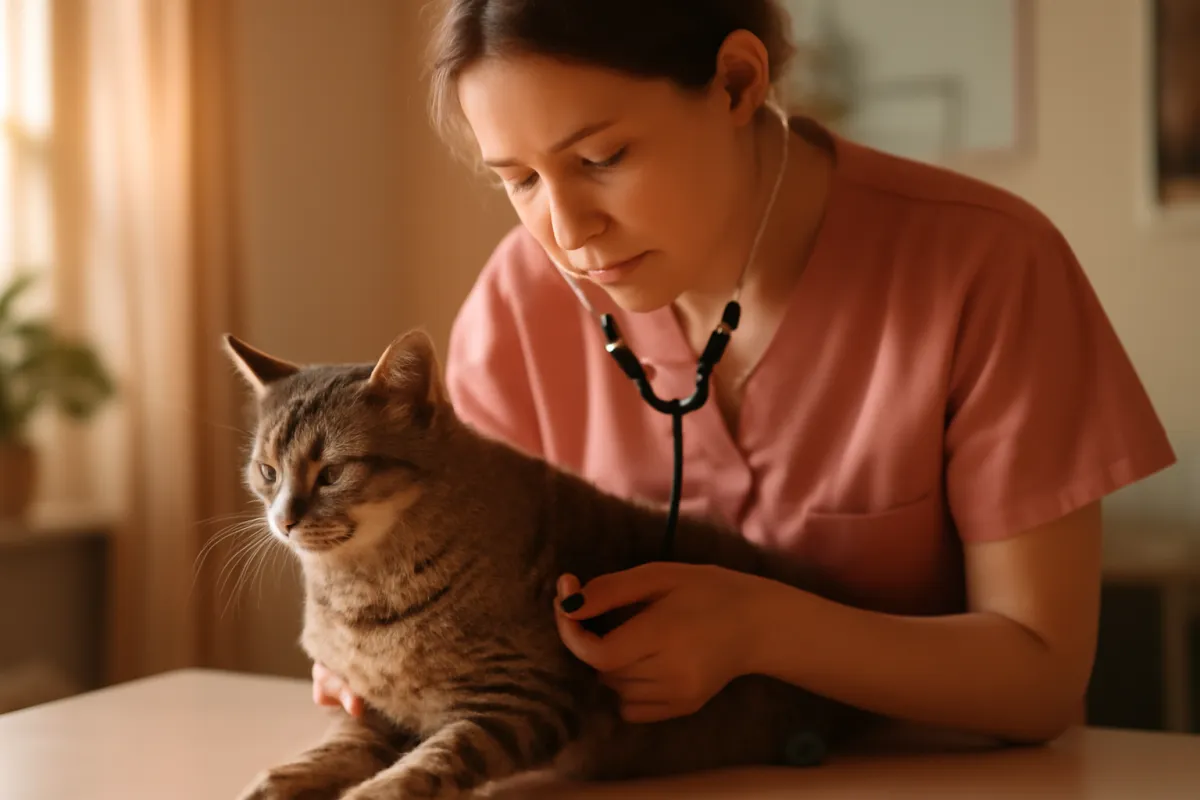
The single best preparation is to have the numbers ready before you need them, so your veterinarian’s line and an animal poison control number are saved in your phone rather than searched for in a panic. This is the same readiness our read on preparing for a pet emergency recommends across the board, and an unexpected toxic exposure is one of the more common reasons owners face a sudden bill, which our look at what a vet visit costs puts in context. Preparation turns a frightening moment into a manageable one.
A worked example: safe treats in a puppy’s day
Numbers land better carried through, so here is one illustrative day for a medium-breed puppy of about thirty pounds, treated as a shape to reason from rather than a feeding prescription. On a rough estimate, a growing puppy this size might take in somewhere around a thousand calories a day, which puts the ten percent treat budget at roughly a hundred calories for all extras combined. The bulk of the day, the other ninety percent, comes from a complete, balanced puppy food split across the meals the puppy’s age calls for.
Inside that hundred-calorie treat budget, the owner spreads a few low-calorie options across the day: a handful of blueberries used as training rewards during a short practice session, a couple of small carrot pieces, and one thin slice of banana after a walk. Each is introduced as something the puppy already tolerates, each is cut to a safe size, and together they sit comfortably under the budget without crowding out the balanced food. Because the owner is not adding anything new that day, there is no guesswork about a reaction.
The point of the example is the shape, not the exact figures. A smaller puppy would have a much smaller treat budget, perhaps only room for a few blueberries all day, while a large-breed puppy would have more. The safe foods stay small, plain, and varied only slowly, and the complete diet stays the foundation. Run your own puppy’s weight through the companion to see its illustrative treat budget, and use the calculator to fit food into the wider monthly picture our monthly cost of a dog read breaks down.
Common mistakes feeding a puppy human food
A handful of avoidable mistakes account for most of the trouble owners run into when sharing food with a puppy, and naming them is half the battle. The most dangerous is assuming that anything people eat is fine for a puppy, which is how genuinely toxic foods like grapes, chocolate, and onion end up in a bowl. The most common is simply too much: even safe foods, given in quantity or too often, unbalance a growing puppy’s diet and upset its stomach.
- Feeding table scraps from a seasoned meal. Family dishes are usually built on onion, garlic, salt, and fat, so a bite of dinner is rarely the plain food it looks like. Keep shared food genuinely plain.
- Introducing several new foods at once. If a stomach upset follows, you cannot tell which food caused it. Change one thing at a time and wait between additions.
- Forgetting that treats add up. Training treats, chews, and human foods all count toward the ten percent, and it is easy to blow past the budget across a busy day without noticing.
- Sharing peanut butter without checking the label. A xylitol-sweetened jar turns a normally safe treat into a poison, so always read the ingredients first.
- Leaving hazards within reach. Chocolate on a low counter, grapes in a fruit bowl, rising dough, or a discarded cob are all easy for a curious puppy to find. Storage prevents most poisonings.
Avoiding these is mostly about habit rather than knowledge: keep shared food plain, add extras slowly and sparingly, read labels, and store the dangerous foods where a puppy cannot reach them. When you are unsure whether a food or an amount is appropriate, the safe move is to ask your veterinarian rather than guess, especially while your puppy is still very young.
A puppy food safety checklist
Before you share a new food with your puppy, or when you are setting up feeding habits for the first time, run through these points so the choice is safe and sensibly portioned.
- Check the food against the safe and toxic lists. If it is on the toxic list, or you are not sure it is safe, do not offer it and ask your veterinarian.
- Serve it plain. No salt, butter, oil, sugar, sauce, onion, garlic, or seasoning, and no bones. The base food is usually safe; the additions cause the harm.
- Prepare it safely. Wash fruit, remove pits, cores, seeds, and rinds, and cut everything to a size your puppy can chew and swallow without choking.
- Keep it inside the ten percent. Count all treats, chews, and human foods together, and keep the complete puppy food as the foundation of the diet.
- Introduce one food at a time. Offer a small amount of a single new food, then wait and watch for any stomach or skin reaction before trying anything else.
- Know your emergency contacts. Save your veterinarian and an animal poison control number so a suspected toxic exposure gets fast advice rather than a frantic search.
Work these top to bottom and sharing food becomes one of the safer, more enjoyable parts of raising a puppy, rather than a source of worry. The checklist is deliberately conservative, because with a growing puppy the cost of caution is low and the cost of a mistake can be high.
How food fits your puppy budget
Food is one of the steadiest lines in a puppy’s budget, and treats are a small part of it, but the choices in this article touch the numbers in a couple of quiet ways. Choosing low-calorie foods like carrot and green bean for training keeps the treat spend and the calories down at once, and keeping the complete puppy food as the foundation means you are paying for nutrition that actually supports growth rather than filling the bowl with extras. The bigger financial point is that avoiding a toxic-food emergency is one of the clearest examples of cheap prevention beating an expensive crisis.
A single accidental poisoning can turn into an urgent, costly vet visit, which is exactly the kind of unpredictable line our read on lowering your vet bills says is best avoided rather than absorbed. Safe feeding habits, sensible storage, and a known poison-control number are almost free, and they head off one of the more preventable emergencies a puppy can have. That logic runs right through the first-year costs our read on how much a puppy costs lays out, where the predictable lines are easy to plan and the unpredictable ones are the ones worth preventing.
The practical way to fold food into the wider picture is to treat the complete puppy food and treats as one modest, planned monthly line, then budget separately for the vet care and the emergency cushion that protect against the bigger surprises. Drop your own numbers into the calculator to see where food sits inside the whole cost of your puppy’s first year and beyond, and lean on the companion below to keep individual foods and portions on the safe side of the line.
The bottom line
What can puppies eat safely comes down to a simple frame: a complete, balanced puppy food does almost all the work, and a short list of plain foods can be shared as occasional treats within about ten percent of the day. Strawberries, blueberries, banana, seedless apple, carrots, green beans, plain pumpkin, plain cooked chicken, and plain rice are all fine for most healthy puppies in small, well-prepared amounts. The foods to never feed are just as important to know: grapes and raisins, chocolate and caffeine, onions and garlic, xylitol, macadamia nuts, alcohol, raw dough, and cooked bones.
The habits that keep feeding safe are the same ones throughout this article: serve everything plain and cut to size, introduce one new food at a time and watch for a reaction, keep treats within the ten percent budget, store the dangerous foods out of reach, and treat any suspected toxic exposure as urgent. Above all, when you are unsure whether a food or an amount is right, and always for a young, small, or unwell puppy, ask your veterinarian, who knows your puppy in a way no general list can. Do that, and sharing food becomes one of the small daily joys of raising a puppy rather than a worry.
A quick and honest note from the MuttMark team: this field guide is here to help you feed a puppy sensibly and safely, and it is not veterinary or medical advice for your individual pet. Every figure here, including calorie and treat estimates, is an illustrative planning number rather than a precise prescription, and a puppy’s real needs change quickly with age, breed, and health. The toxic-food list reflects widely recognized dangers to dogs, but it is not exhaustive, so the absence of a food from this article does not make it safe. Always confirm new foods with your own veterinarian, especially for a young, small, or sick puppy, and if you suspect your puppy has eaten something toxic, contact your veterinarian or an animal poison control service right away rather than waiting for symptoms.
Frequently asked questions
Can a puppy eat strawberries?
Yes, most healthy puppies can eat strawberries in small amounts as an occasional treat. Wash them, remove the leafy stem, and cut them into small pieces sized to your puppy so they are easy to chew and swallow. Strawberries carry natural sugar, so they should stay a treat rather than a regular part of the bowl, and treats of every kind should make up only about a tenth of what your puppy eats in a day. Introduce a small piece on its own first and watch for any stomach upset, and check with your veterinarian before offering new foods, especially if your puppy is young, small, or unwell.
What human foods are safe for puppies?
Several plain, simple human foods are generally safe for healthy puppies in small amounts, including carrots, green beans, plain cooked chicken with no bones or seasoning, plain white rice, plain pumpkin, blueberries, banana, seedless apple, and watermelon flesh. The theme is plain and simple: nothing fried, salted, buttered, spiced, or coated in sauce, and nothing with bones. Because these are treats rather than a meal, they should stay within roughly ten percent of your puppy's daily food so they do not crowd out the complete puppy diet that fuels growth. Serve each one cut to a safe size, introduce one at a time, and confirm anything new with your veterinarian first.
What foods are toxic to puppies?
Some foods are genuinely toxic to dogs of any age and must never be given to a puppy. Grapes and raisins can cause sudden kidney failure even in small amounts, chocolate and caffeine contain stimulants that are poisonous to dogs, onions and garlic and other alliums damage red blood cells, xylitol (also labeled birch sugar, found in sugar-free gum and some peanut butters) can trigger a dangerous blood-sugar crash and liver failure, and macadamia nuts cause weakness and tremors. Alcohol, raw yeast dough, and cooked bones are also dangerous. Keep all of these well out of reach, and if you think your puppy ate any of them, contact your veterinarian or an animal poison control service right away.
Can puppies eat bananas and apples?
Yes, banana and apple are both generally safe for healthy puppies in small amounts. Offer banana as a thin slice, because it is high in natural sugar and a little goes a long way. Apple is fine as thin slices with the core and all seeds removed, because apple seeds contain a compound that releases cyanide and the core is a choking hazard. As with any fruit, keep the portion small, count it inside the daily treat allowance, introduce it on its own, and ask your veterinarian if your puppy has a sensitive stomach or any health condition.
How much human food can a puppy have?
A useful rule of thumb is the ten percent rule: treats and extras of every kind, including safe human foods, should make up no more than about ten percent of what your puppy eats in a day, with the other ninety percent coming from a complete, balanced puppy food. Puppies are growing fast and need that complete diet to build bone and muscle correctly, so too many extras can unbalance their nutrition and upset their stomach. The exact treat calories depend on your puppy's size, so a small breed has a much smaller allowance than a large one. Treat these figures as illustrative planning numbers and ask your veterinarian for guidance specific to your puppy.
Can puppies eat chicken and rice?
Plain cooked chicken and plain white rice are among the safest human foods for puppies, which is why they often appear in the bland meals vets suggest for a mild upset stomach. The chicken must be boneless, skinless, fully cooked, and completely unseasoned, with no onion, garlic, butter, or salt, and the rice should be plain and fully cooked. Cut the chicken into small pieces sized to your puppy. This is a gentle food, but a bland diet is not complete nutrition on its own, so it should not replace a balanced puppy food for more than a short period, and any ongoing stomach trouble is a reason to call your veterinarian rather than manage it at home.
What should I do if my puppy eats something toxic?
Act quickly and do not wait for symptoms to appear. Take the food away, note roughly how much your puppy ate and when, and contact your veterinarian, an emergency animal hospital, or an animal poison control service immediately for advice. Do not try to make your puppy vomit unless a professional tells you to, because for some substances that causes more harm. Bring the packaging or a photo of what was eaten if you can, since the ingredient and the amount guide treatment. With genuinely toxic foods such as grapes, chocolate, xylitol, or onion, fast action makes a real difference, so treat any suspected exposure as urgent.
When can puppies start eating human food or treats?
Once a puppy is weaned and eating solid puppy food well, usually from around eight weeks, it can start having tiny amounts of safe human foods as occasional treats, but the priority at this age is a complete puppy diet that supports rapid growth. Start with very small pieces of one plain, puppy-safe food at a time so you can spot any reaction, and keep all treats within about ten percent of daily intake. Very young puppies have delicate digestion, so go slowly and keep variety low at first. Because the right timing and amount depend on your puppy's age, breed, and health, ask your veterinarian what fits your puppy before adding anything new.